
Drekavac: The Drekavac is a ghostly spirit from South Slavic folklore, renowned for its terrifying, ear-piercing scream.

Drekavac
Drekavac - Serves as a cautionary figure whose terrifying screech is believed to forewarn of impending death or misfortune.
the legend in five swipes.
the legend in five swipes.
Where in the world does the Drekavac come from?
The drekavac has long haunted the imaginations of South Slavic communities, emerging from a rich tapestry of oral tradition and myth. Its name, derived from the verb meaning 'to screech', hints at the eerie auditory warnings that have cemented its presence in folklore. Many tales portray it as a spectral being, an echo of lives abruptly ended or left unfulfilled. Over time, this frightening entity has been woven into the cultural fabric of the Balkans, where its haunting cry is both a portent and a mystery. It is often depicted as a creature straddling the line between the mortal realm and an uncertain afterlife, unsettling those who dare to listen to its cry in the dead of night. With roots in agrarian societies, the drekavac served as a warning against the unknown and the unsettling forces of nature. The creature’s portrayal, though varied, always carries an element of sorrow intertwined with terror. Legends of the drekavac continue to be flexible, reflecting the ever-changing anxieties and hopes of the communities that tell its tale.
The Source Texts Behind the Drekavac
Stories of the drekavac are preserved in a range of local folk narratives, passed down through generations in both rural and urban settings. Although manuscripts specifically dedicated to the creature are rare, its presence is firmly established in collections of South Slavic folklore and regional compilations of supernatural lore. In historical texts, intermittent references can be found that hint at the creature’s role in cautionary tales, framing it as a supernatural warning to those who defy natural order. The drekavac appears in oral accounts, folk songs, and even the scattered notes of early ethnographers who recorded the rituals and superstitions of village life. Variants of the legend have emerged over the centuries, some portraying it as the restless spirit of a deceased child while others emphasise its monstrous and ever-changing form. Every retelling adds layers of complexity and local colour, ensuring that the myth remains dynamic and multifaceted. These numerous versions underscore the fluidity of folklore, where strict boundaries between fact and legend often blur. This rich tapestry of narrative variants contributes to a vibrant picture of a creature that is as much a psychological symbol as it is a physical apparition.
What does the Drekavac look like?
The physical form of the drekavac is as varied in description as the regions that recount its tale, making it a creature of both horror and ambiguity. It is often depicted with a gaunt, almost emaciated silhouette, hinting at a life cut tragically short or a spirit condemned to wander. Witness accounts sometimes describe it with elongated limbs and an unnerving, contorted visage that appears almost skeletal, enhanced by the play of moonlight during its nocturnal wanderings. Some traditions recount that it possesses an almost animalistic form, combining elements of humanoid and beast, thereby heightening its unsettling presence. Its eyes, when mentioned, are portrayed as glowing beacons that reflect its tormented existence. With descriptions ranging from a small, stealthy figure to a larger, more formidable shape, the drekavac’s appearance is inherently fluid and subject to interpretation. The recurring focus on its disfigured or spectral features serves as a visual reminder of its liminal nature between life and death. In art and literature, these descriptions are often amplified, creating a composite image that is simultaneously repulsive and captivating.
Drekavac: The Same Figure in Different Places
Across the South Slavic region, the drekavac's image shifts subtly to address local concerns and cultural nuances. In some parts of Serbia, for instance, the creature is imbued with a sense of caution, appearing as a dire warning to those who wander too far from home after dark. In neighbouring Croatia, the legends often stress a moral undertone, suggesting that the drekavac may be linked to unresolved earthly transgressions or a premature death. Local variants in Bosnia and Herzegovina enhance the supernatural aspect, sometimes portraying the creature as a shapeshifter capable of assuming both human and bestial forms. These regional adaptations reflect the diverse environmental and social landscapes of the Balkans, with each community weaving the entity’s attributes into the local tapestry of myth. The variations may include differences in size, physical detail, and even the nature of its fearsome cry, tailored to the unique folklore of each area. In some traditions, the drekavac becomes a benign yet eerie presence, while in others it is a harbinger of misfortune and a reminder of life’s precarious balance. Thus, the creature’s multifaceted character is a mirror to the diversity of the cultural landscapes it haunts.
How does the Drekavac compare to figures in other traditions?
When examined alongside similar figures in world mythology, the drekavac stands out for its blend of the spectral and the physical. Comparable to entities like the Romanian strigoi or the Polish upiór, it too embodies the restless spirit of those who linger between life and death. Like the banshee of Celtic lore, the drekavac’s scream is not merely a sound but a portent, signalling misfortune and the presence of the otherworldly. In many European folklore traditions, there exists a common theme of spirits that manifest in physical forms after untimely or troubled deaths. However, the South Slavic version distinguishes itself through its particularly varied physical descriptions and morally charged narratives. Its role as both a warning and a symbol of the tragic consequences of disrupted life cycles provides a rich field for comparative mythological analysis. While other cultures may focus on the vengeful aspects of similar beings, the drekavac also carries an air of sorrow and inevitability. Such cross-cultural parallels highlight the universal human attempt to personify and understand the unknown through tangible mythic figures.
Drekavac: From Folklore to Pop Culture
Over the centuries, the depiction of the drekavac has evolved significantly, mirroring the shifts in societal fears and the evolution of cultural narratives. Once primarily a cautionary figure rooted in ancient rural beliefs, it has gradually become a more versatile symbol in modern literature and art. This transformation is evident in contemporary portrayals where the creature sometimes serves as a metaphor for inner turmoil or the haunting persistence of the past. Modern media, from films to graphic novels, have reinterpreted the drekavac, often embellishing its attributes to resonate with current aesthetic and narrative trends. While earlier accounts emphasised its role as an omen or supernatural retribution, today it is frequently explored as a mysterious and even sympathetic figure caught between worlds. Its enduring legacy is a testament to the power of folklore to adapt and survive, constantly offering fresh insights into timeless human anxieties. In popular culture, the drekavac is celebrated both for its chilling presence and for the rich historical context it provides, a bridge between ancient superstitions and modern storytelling. As such, its myth continues to evolve, ensuring that the drekavac remains an ever-present figure in the collective cultural imagination.
Interesting Fact
An interesting aspect of the Drekavac legend is that its scream is often blamed for unexplained, eerie sounds in the rural night, prompting questions as to whether it is a genuine supernatural phenomenon or a manifestation of collective folklore.
Mythological Treasures
Norse Sagas: A field guide to the beasts of the Viking world
Drawn from the saga accounts themselves, with the powers, weaknesses and doom of each being set out.
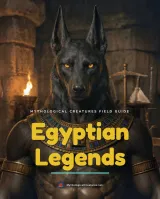
Egyptian Legends: A field guide to the gods and monsters of ancient Egypt
Guardians of the living and devourers of the dead, with the role each played in judgement.
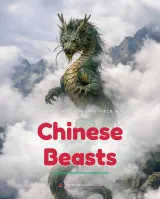
Chinese Beasts: A field guide to the dragons and demon kings of Chinese myth
From river dragons to demon kings, with the legends that shaped five thousand years of storytelling.
the legend in five swipes.
For serious myth projects
Feature your work alongside the legends
From academic works to story-rich games, we highlight projects that respect world mythologies. Talk to us about a measured, long-term placement.
Start a conversationQuick Creature Info
Features:
Associations:
Our Mythic Legendary Rating:

Also Sometimes Known As:
Habitat:
Supernatural Powers:
Physical Attributes:
Abilities:
Behavior:
Weaknesses:
Lore:
Related Creatures, Tales or Lore
- BBanshee
- BBabaroga
- WWraith
References
Discover Another Mythical Legend You May Not Have Heard Of?
Uncover the mysteries of ancient folklore and expand your knowledge of legendary beings from cultures around the world.
Dare to Meet the Mãe-do-Ouro....
The Mythological Creatures Book Series
Yokai, Greek, Norse, Egyptian & Chinese. Five illustrated field guides to the creatures the old stories either warned or told you about.
Curated by the Mythological Creatures Team
Series editor: Mythological Creatures Directory
Primary desk: Northern & European Folklore Desk
(rev. November 2025)