
Drymo: Drymo, also known as Drimo, is a figure in Greek mythology with dual traditions: one as a Nereid sea-nymph in the train of Cyrene and another as one of the Alcyonides, daughters of Alcyoneus transformed into kingfishers.
-5e4b221b-be71-4a27-a265-6b3bfa9eb992_small.webp "Drymo - Her dual narrative underscores themes of beauty, tragedy, and transformation, reflecting the complex interplay between divine intervention and mortal sorrow in Greek mythology.")
Drymo
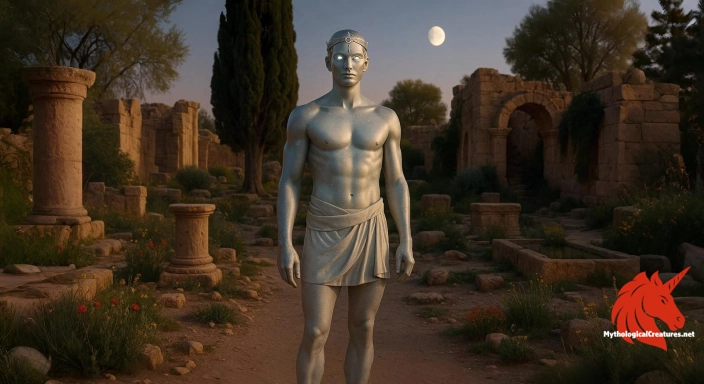
Drymo - Her dual narrative underscores themes of beauty, tragedy, and transformation, reflecting the complex interplay between divine intervention and mortal sorrow in Greek mythology.
Origins & First Encounters
Drymo stands as a unique mythological figure with dual identities woven into the fabric of Greek lore, each reflecting the capricious character of the sea. Her first persona emerges as a Nereid, one of the fifty sea-nymph daughters of Nereus and Doris, celebrated for her ethereal beauty and connection with the ocean’s mysteries. In another tradition, Drymo appears as one of the Alcyonides, whose tragic narrative intertwines familial loss with divine intervention and metamorphosis. Early attestations of these myths can be traced through ancient poetic fragments and mythographic compendia, underscoring a long tradition of oral and literary transmission. The lore surrounding the Nereid Drymo is steeped in the symbolism of maritime grace, often depicted alongside other sea deities in the retinue of figures such as Cyrene. Conversely, the story of Drymo as an Alcyonide offers a poignant meditation on transformation and resilience, as divine forces reforge sorrow into beauty. Despite their different origins, both facets of Drymo carry a shared motif: the power of the sea to transform and renew. Her dual identity has allowed later generations to explore themes of metamorphosis, loss, and the eternal interplay between beauty and melancholy. The evolution of her myth reflects not only a fascination with the marine realm but also a broader cultural preoccupation with the natural forces that shape life. Ultimately, Drymo encapsulates the enduring allure of myth, uniting disparate traditions under the symbolic banner of the ever-changing waters.
Source Texts & Tale Variants
The primary sources of Drymo’s myth are found scattered among classical texts and later mythographical compilations where introductory mentions of the Nereids and the tragic narratives of the Alcyonides appear. Some ancient poets and historians, whose works have been partly lost to time, provided brief but evocative accounts that later mythographers would draw upon. The figure of Drymo as a Nereid emerges in scholia accompanying Homeric epics and is echoed in the works that catalogue the various sea deities. In contrast, her identification as one of the Alcyonides is documented in narrative traditions surrounding the family of Alcyoneus, detailing how the sorrow of her kin led to a mystical transfiguration into birds. Variants of her myth have been preserved through regional oral traditions as well as in later compilations such as the Bibliotheca and various Hellenistic texts. Different accounts often focus on disparate aspects of her story, ranging from her physical charms to the deeper symbolic meanings of her transformation. The multiplicity of these accounts underscores the fluidity and adaptability of myth in ancient culture, where narratives could be reshaped to suit the values and artistic preferences of each era. While not as extensively chronicled as other classical figures, Drymo’s stories have been interwoven into the broader tapestry of Greek mythology, leaving traces in both literary and artistic traditions that reveal the evolution of myth over time.
Form & Powers
In the depictions of Drymo as one of the Nereids, her physical appearance is portrayed as exquisitely refined, with bright, waving locks that mirror the shimmering surface of the sea. Her slender, pale neck and graceful demeanour hint at an otherworldly elegance, marking her as a quintessential embodiment of marine beauty. The imagery often suggests that her form is both delicate and resilient, symbolising the transient quality of the ocean’s moods. When considered as one of the Alcyonides, Drymo’s essence is transformed, with her human features giving way to the characteristics of a halcyon or kingfisher. This metamorphosis is richly detailed in the myth, blending human sorrow with the vibrant colours and dynamic flight of the bird. Her avian form is typically described with a lustrous plumage that combines subtle hints of oceanic blues and greens with a refined, streamlined silhouette. The artistic renditions often accentuate the contrast between her formerly human grace and the naturalised, wild beauty of her halcyon form. Variations in size and ornamentation have been noted in regional myths, with some traditions emphasising an almost ethereal lightness, while others attribute to her a robust and dignified appearance. This duality in her physical representation encapsulates both the fleeting and the enduring aspects of her mythic legacy.
Regional Faces
Across various regions of the ancient Greek world, Drymo’s myth was adapted to reflect local traditions and the unique characteristics of the maritime environment. In some coastal communities, she was revered as a benign spirit of the sea, whose presence was believed to bestow safe passage upon fishermen and mariners. On different islands, the attributes of Drymo were carefully interwoven with local legends of transformation and rebirth, enabling her to assume roles that resonated with particular cultural narratives. In the regions where the worship of sea deities was deeply ingrained, her image sometimes overlapped with that of other local water spirits, creating a tapestry of similar appearances and interrelated stories. In contrast, areas more focussed on rituals of grief and renewal associated with natural disasters tended to emphasise her narrative as one of loss and metamorphosis. The halcyon transformation, in particular, struck a chord with communities whose lives were deeply connected to the ocean’s caprice, offering a powerful symbol of hope amid despair. Varying artistic renditions across the Mediterranean reveal subtle differences in iconography, with some depicting her with classical nymph-like features and others rendering her as a dynamic, colourful bird. These regional variations highlight the adaptability of Greek myth, where a single figure can embody diverse qualities according to the needs and sensibilities of a local audience.
Cultural Parallels
Drymo’s myth shares intriguing parallels with several figures from other mythological traditions, providing a rich field for comparative analysis. Her dual nature as both a graceful sea-nymph and a transformed halcyon draws similarities with other water deities such as Amphitrite and Thetis, who also traverse the boundary between the divine and the natural. The theme of metamorphosis that defines Drymo’s transformation into a bird finds echoes in the broader spectrum of Greco-Roman metamorphosis myths, notably those of Daphne and other figures who sought refuge from mortal woes. Comparable narratives can be seen in the story of Alcyone and Ceyx, where the sorrow of loss leads to a transformation that preserves the memory of the deceased. Beyond the classical world, similar motifs appear in other cultural mythologies where the sea is revered for its unpredictable power and its ability to effect change, such as in certain Celtic water spirit legends. These parallels underscore a shared human fascination with the forces of nature and the resilience that emerges from tragedy. Through the lens of cross-cultural mythology, Drymo embodies the universal idea of renewal born out of despair. Her narrative invites comparisons with numerous transformative myths that celebrate the cyclical regeneration inherent in nature.
Legacy & Modern Evolution
The evolution of Drymo’s image over the centuries mirrors the shifting tides in cultural and artistic expression. In antiquity, her appearances on pottery and in sculpture subtly conveyed the dual nature of beauty and sorrow inherent in the sea. During the Renaissance, renewed scholarly interest in classical themes helped to reintroduce her myth to a broader intellectual audience, where she was often depicted in the context of allegorical representations of transformation and rebirth. Modern interpretations have continued to search for contemporary meanings in her story, with artists, writers and filmmakers exploring her narrative as a metaphor for environmental change and the resilience of life. The enduring allure of Drymo lies in her ability to bridge the gap between the natural world and the realm of myth, becoming a symbol of the transient beauty and latent power of the ocean. Contemporary poetry and visual art have revived her image, imbuing her ancient transformations with modern sensibilities about loss, healing and renewal. Her story is evoked in discussions about climate change and ecological stewardship, where the metamorphosis from grief to hope resonates with current challenges. Over time, Drymo has transcended her original mythological confines, emerging as a versatile emblem of transformation and the perennial interplay between nature and culture.
Interesting Fact
Drymo's dual identity as both a sea nymph and a transformed kingfisher underscores the Greek mythological tradition of layered narratives, offering multiple interpretations of divine beauty and tragedy.
Mythology commerce, done carefully
Align your store with our global myth audience
If you sell myth-inspired jewellery, prints, decks, or collectibles, we can feature your brand without overwhelming the reading experience.
Partner with usQuick Creature Info
Origin:
Associations:
Our Mythic Legendary Rating:

Also Sometimes Known As:
Habitat:
Supernatural Powers:
Physical Attributes:
Abilities:
Behavior:
Lore:
Related Creatures, Tales or Lore
- TThetis
- AAmphitrite
- GGalatea
References
Discover Another Mythical Legend You May Not Have Heard Of?
Uncover the mysteries of ancient folklore and expand your knowledge of legendary beings from cultures around the world.
Dare to Meet the Aglibol....
Curated by the Mythological Creatures Team
Series editor: Mythological Creatures Directory
Primary desk: Hellenic & Ancient Mediterranean Desk
(rev. November 2025)