
Durinn: Durinn, also known as Durin or Dulinn, is a legendary dwarf from Norse mythology famed for his unparalleled craftsmanship.
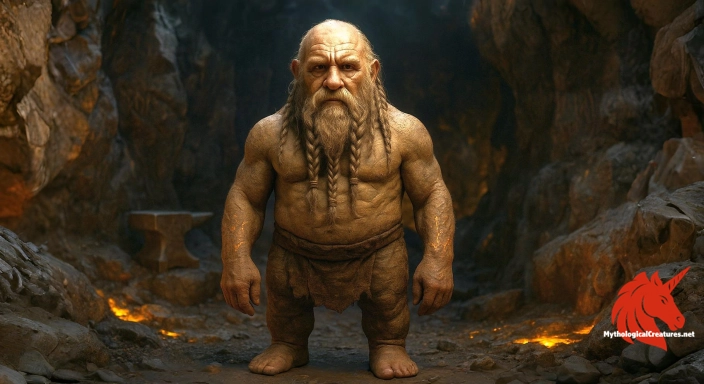
Durinn
Durinn - Durinn is celebrated for forging the cursed magic sword Tyrfing, a pivotal element in Norse sagas that underscores the profound skill and mystique of dwarven craftsmanship.
Origins & First Encounters
Durinn emerges as a distinctive figure within the rich tapestry of Norse mythology, where the ancient art of craftsmanship is as revered as the gods themselves. His origins are enshrined in early mythological narratives, marking him as the second dwarf created after the premier Mǫtsognir. The earliest attestations of his existence appear in the revered verses of the Poetic Edda, notably in Vǫluspá, while later texts such as the Gylfaginning reaffirm his enduring significance. His mythic role is further enhanced by his association with the forging of magical items, linking his identity to both divine creation and mortal destiny. Ever since his inception, Durinn has symbolised the mysterious power of the subterranean world and the transformative skill of metalwork. Although the surviving accounts are succinct, they evoke a sense of an ancient order where every creation carried a hidden significance tied to the lore of the North. His narrative encapsulates both the fragility of mortal endeavour and the resilience of mythic tradition, establishing him as an emblem of timeless craftsmanship. The interplay between his ethereal origins and practical achievements continues to fascinate enthusiasts of Norse legends. His character, steeped in both enigma and artistry, offers a window into the complex cosmology that defined early Norse belief.
Source Texts & Tale Variants
The principal accounts of Durinn are found in some of the most influential medieval Norse texts, which chronicle the exploits and origins of mythic beings with deliberate brevity. The Poetic Edda, particularly in the stanza of Vǫluspá, introduces him with an aura of ancient mystery that suggests an integral role in early creation. Complementing this, the narrative in Gylfaginning from the Prose Edda reiterates many of his essential attributes, thus reinforcing his stature within the mythic hierarchy. His character is further expanded in the Hervarar saga, where stories of forging the enchanted sword Tyrfing elevate his reputation as a master craftsman. In these varied accounts, the collaborative efforts with other dwarfs such as Dvalin highlight a tradition of communal artistry and legendary skill. The existence of alternate names, like Dulinn, in variant texts underscores the fluidity and regional differences inherent in Norse storytelling. Each source, though drawn from different periods and contexts, adds layers to the understanding of Durinn’s role in the mythos. The surviving texts, while fragmentary, collectively contribute to a multifaceted portrayal that has intrigued both early and modern audiences.
Form & Powers
While the ancient texts offer scant direct details about his appearance, the essence of Durinn can be inferred from the broader portrayal of dwarfs in Norse tradition. One may imagine him as possessing a compact yet powerfully built form, emblematic of the rugged nature of beings born from the earth. His features are likely etched with the wisdom of ages, displaying a face marked by resolute determination and an ever-watchful eye. The archetypal image of dwarfs often includes a thick, flowing beard intermingled with hints of the mineral-rich dust of ancient mines. Artistic renditions, though modern in conception, frequently depict him alongside intricate adornments and engraved runes that symbolise his magical prowess. It is plausible that his hands, calloused from years at the forge, echo the meticulous craftsmanship that defines his legacy. A deep-set gaze, reflective of both caution and an inner fire, suggests a character who has witnessed the passage of countless ages. The traditionally robust and hearty build of Norse dwarfs is evident in his imagined silhouette, where every line and contour speaks of resilience. Though much of his physical form is left to interpretative creativity, these attributes collectively evoke a being who is as formidable and mysterious as the legends that celebrate him.
Regional Faces
Across the diverse landscapes of Scandinavia, the tale of Durinn has evolved in subtle and intriguing ways. In the Icelandic tradition, where the preservation of oral lore and saga literature is paramount, he is often portrayed as a master smith deeply entwined with the island’s rugged natural beauty. Some versions accentuate his reclusive nature, presenting him as a solitary artisan whose skills are revered in remote mining communities. In other parts of the Norse world, his variant name, Dulinn, emerges as a marker of regional dialect and cultural nuance. Local adaptations often infuse his story with additional layers of mysticism and a closer connection to the earth’s hidden treasures. These traditions occasionally depict him as not only a craftsman but also a guardian of ancient wisdom, bridging the gap between the mundane and the magical. Folk narratives have sometimes transformed his attributes to suit regional sensibilities, where his forceful presence is both a warning and an inspiration to local artisans. The regional variations of his myth thus serve to enrich the original lore, ensuring that his legacy resonates with the unique cultural identities of the Norse lands.
Cultural Parallels
Durinn stands as a compelling archetype whose defining traits find echoes across diverse mythological systems. Much like the revered dwarfs in other European traditions, his character epitomises the latent power of craftsmanship and the transformative potential of art forged in fire. Parallels can be drawn between his narrative and that of Hephaestus in the Greek pantheon, though Durinn’s ties to the natural and subterranean realms mark him as distinctly Norse. His name even resonates with modern adaptations of dwarf lore, inspiring characters such as Tolkien’s Durin, whose legacy mirrors the original myth’s blend of mysticism and metallurgy. Similar motifs are evident in various folklore traditions, where small, enigmatic beings are attributed with the secret knowledge of the earth’s riches. These characters, whether in Nordic, Celtic, or later fantasy literature, encapsulate the universal admiration for hidden craftsmanship and the enigmatic wisdom that arises from the depths of the world. This cross-cultural convergence enhances our understanding of Durinn as a symbol beyond his immediate narrative, representing a timeless ideal of creative mastery and resilient spirit. In comparative analyses, his story thereby acts as a bridge linking ancient mythological concepts to a broader spectrum of heroic and artisan figures across global lore.
Legacy & Modern Evolution
Over the centuries, the figure of Durinn has transitioned from a brief mythic mention into a lasting symbol of mystical craftsmanship in both academic and popular arenas. His early portrayal as a primordial artisan has resonated through the ages, influencing not only the traditional lore of the Norse but also inspiring modern fantasy narratives. The legend of forging the magical sword Tyrfing, attributed to him, has come to embody the dual nature of power—its promise of greatness entwined with potential peril. In contemporary culture, his legacy is often invoked as a metaphor for the intersection of art and elemental force, reflecting on the responsibilities that accompany great creative power. Modern artists, writers, and game designers have reimagined his story, blending ancient motifs with innovative interpretations that appeal to today's audience. The evolving depiction of Durinn underscores a broader transformation in the perception of mythic figures, where ancient traditions are continually reborn in new cultural contexts. His enduring influence is further highlighted by the frequent comparisons to other legendary smiths, reinforcing his status as an archetypal figure of hidden, profound wisdom. Today, Durinn occupies a revered space in the compendium of mythical artisans, acting as a lasting reminder of the deep interconnection between mythology, craftsmanship, and the mysteries of the natural world.
Interesting Fact
An intriguing detail about Durinn is the variant use of his name—Durin or Dulinn—demonstrating how regional and textual differences can offer multiple perspectives on a single mythological figure.
For publishers and studios
Your next readers are already here
Many of our visitors are looking for books, campaigns, and resources that deepen their journey into myth. Position your title or setting here.
Discuss a placementQuick Creature Info
Origin:
Features:
Associations:
Our Mythic Legendary Rating:

Also Sometimes Known As:
Habitat:
Physical Attributes:
Abilities:
Behavior:
Lore:
Related Creatures, Tales or Lore
- DDvalin
- MMótsognir
- BBrokkr
References
Discover Another Mythical Legend You May Not Have Heard Of?
Uncover the mysteries of ancient folklore and expand your knowledge of legendary beings from cultures around the world.
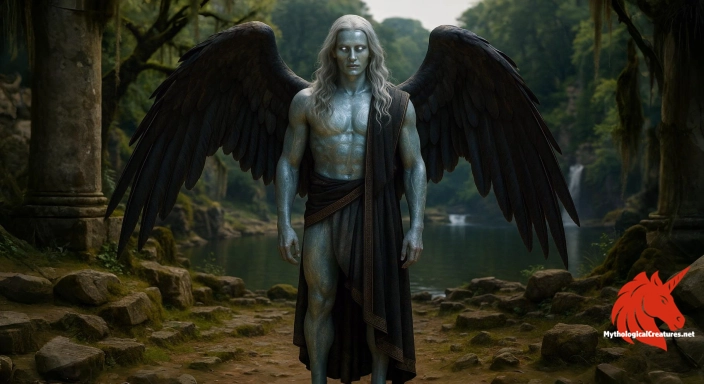
Dare to Meet the Astanphaeus....
Curated by the Mythological Creatures Team
Series editor: Mythological Creatures Directory
Primary desk: Northern & European Folklore Desk
(rev. November 2025)