
Each-uisge: The each-uisge is a malevolent water spirit from Irish and Scottish folklore that takes the form of a horse.

Each-uisge
Each-uisge - Represents the dangerous and unpredictable nature of water in Celtic mythology.
the legend in five swipes.
the legend in five swipes.
The Origin Story of the Each-uisge
The each-uisge is a captivating and ominous water spirit deeply embedded in the lore of Celtic traditions. Its name, meaning 'water horse' in Scottish Gaelic, immediately evokes images of both beauty and hidden threat. Rooted in the rich traditions of Irish and Scottish myth, this creature embodies the relentless power and mystery of untamed waters. With origins lost in the mists of time, early attestations were preserved through oral storytelling that celebrated the untamed forces of nature. Many accounts describe it as a bewitching figure whose allure belies its cruel and fateful intentions. It is portrayed with the dual qualities of enchanting splendour and deadly menace, reflecting the complex relationship between humanity and the natural world. Over generations, the each-uisge has served as a cautionary emblem against the unpredictable dangers of water. Its enduring place in myth and myth-making speaks to a timeless respect for the wild forces that shape our landscapes.
How did the story of the Each-uisge change over time?
Traditional records of the each-uisge are interwoven with the oral traditions of Gaelic communities, where evocative narratives have been passed down through generations. Early storytellers captured its ferocious nature in ballads and folklore, creating a complex portrait that has evolved with time. Diverse manuscripts and folklore collections include variants where the creature not only haunts remote lochs but also plays a role in local morality tales. In Ireland, it is frequently referred to as each-uisce, with narratives leaning towards both its enigmatic charm and lethal intent. Scottish sources, on the other hand, emphasise its aggressive side, often depicting it as a relentless predator of the deep. On the Isle of Man, the creature appears under the name cabbyl-ushtey, adding another layer to its multifaceted character. Later folklorists and collectors amplified these narratives, weaving in local colour and dramatic embellishments. These varied sources, though sometimes fragmentary, collectively underline the significant cultural imprint of the each-uisge in Celtic mythology.
What was the Each-uisge believed to be capable of?
The each-uisge typically manifests as a striking horse, its sleek form perfectly adapted to both water and land. Its coat is often described as glossy and water-repellent, shimmering with an almost unearthly radiance under the light of the moon. Observers have noted that its eyes resemble deep, mysterious pools, hinting at the dark secrets of ancient lochs. Some narratives include subtle aquatic features, such as webbed hooves or a faint scale-like quality along its flanks, which further accentuate its otherworldly origin. Its flowing mane, reminiscent of cascading water, is said to ripple with the movement of a gentle current or a violent surge. Occasional depictions add an eerie aura or shadow that seems to cling to its form, suggesting an intrinsic connection to the depths from which it emerged. Despite being portrayed as a majestic steed, variations in size and physical detail abound across different retellings. Every element of its appearance, from the gleam of its coat to the intensity of its gaze, reinforces the notion that this creature is both a work of natural beauty and a portent of lurking danger.
What regional forms of the Each-uisge exist?
Across the Celtic regions, the legend of the each-uisge has been tailored by local landscapes and traditions, resulting in striking regional variations. In the rugged highlands of Scotland, it is often portrayed as a menacing spirit, lurking near treacherous lochs and swift-flowing streams where its malevolence is magnified by the harsh environment. In contrast, some Irish accounts imbue the water horse with an almost tragic allure, interweaving elements of seduction with its dangerous reputation. The Isle of Man offers its own distinct flavour to the myth, referring to the creature as cabbyl-ushtey and aligning it with local maritime lore. These regional interpretations not only adjust its physical and temperamental attributes but also vary in the lessons they impart about the natural world. In some communities, the each-uisge is seen as a solitary soul of the waters, while in others, it is part of an entire pantheon of aquatic spirits. The differences in its depiction—ranging from spectral beauty to raw savagery—highlight how local culture and geography have shaped its mythic identity. Each telling reinforces the intrinsic link between the creature and the unique natural features of its homeland.
Do other traditions know the Each-uisge by another name?
The each-uisge invites comparison with numerous water-associated spirits across diverse mythological traditions. While it is frequently likened to the more widely known kelpie, the each-uisge stands apart due to its notably vicious demeanour and the darker nuances of its character. Similar mythic figures can be found in classical traditions, where hippocampi merge the grace of horses with the fluid grace of marine creatures. Echoes of its narrative are discernible in Norse and Slavic legends, where water spirits also embody a blend of seduction and peril. These cross-cultural parallels suggest that many societies have long sought to personify the tantalising yet treacherous nature of water. In each instance, the local lore transforms a common natural element—the water horse—into a unique symbol reflecting both beauty and danger. The overlapping features among these creatures underscore a shared human fascination with water’s power to both nurture and destroy. Through these comparisons, the each-uisge is positioned as a singular yet universal emblem of nature’s enigmatic force.
Why does the Each-uisge still matter?
Over the centuries, the myth of the each-uisge has undergone significant evolution, mirroring shifts in cultural attitudes towards nature and the supernatural. Early depictions were stark portrayals designed to warn communities of the fatal dangers lurking in remote water bodies. As time progressed, the narrative expanded beyond simple admonitions, embracing complex themes that explore the interconnectedness of beauty and peril. Contemporary depictions in literature, art, and film blend traditional imagery with modern sensibilities, often casting the creature as a symbol of nature’s untamed spirit. Artists have reimagined the each-uisge in innovative ways, highlighting its role as both a majestic embodiment of the wild and a harbinger of environmental hazards. This modern reinterpretation resonates with current ecological concerns, echoing the eternal tension between human civilisation and the natural world. As cultural festivals and revivalist projects celebrate Celtic heritage, the each-uisge continues to inspire creative expression and provoke thoughtful reflection. Its enduring legacy is a testimony to the power of myth to adapt, survive, and continue challenging our perceptions of nature and the unseen forces that govern it.
Interesting Fact
An interesting aspect of the each-uisge is its array of alternative names across the Celtic regions, reflecting diverse cultural interpretations of the same fearsome water spirit.
Mythological Treasures
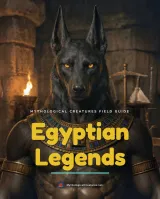
Egyptian Legends: A field guide to the gods and monsters of ancient Egypt
Guardians of the living and devourers of the dead, with the role each played in judgement.
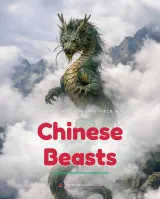
Chinese Beasts: A field guide to the dragons and demon kings of Chinese myth
From river dragons to demon kings, with the legends that shaped five thousand years of storytelling.
Japanese Yokai: A field guide to the spirits and demons of Japanese folklore
Fifteen spirits, with the signs to watch for and what the old tales say to do if you meet one.
the legend in five swipes.
For serious mythcraft
Your project belongs among the legends
If your work deepens how people understand, play with, or teach mythology, a sponsor placement here keeps it in front of the right readers all year.
Submit a sponsorship enquiryQuick Creature Info
Associations:
Our Mythic Legendary Rating:

Also Sometimes Known As:
Habitat:
Supernatural Powers:
Physical Attributes:
Abilities:
Behavior:
Lore:
Related Creatures, Tales or Lore
References
Discover Another Mythical Legend You May Not Have Heard Of?
Uncover the mysteries of ancient folklore and expand your knowledge of legendary beings from cultures around the world.
Dare to Meet the Kraken....
The Mythological Creatures Book Series
Yokai, Greek, Norse, Egyptian & Chinese. Five illustrated field guides to the creatures the old stories either warned or told you about.
Curated by the Mythological Creatures Team
Series editor: Mythological Creatures Directory
Primary desk: Northern & European Folklore Desk
(rev. November 2025)