
Eikþyrnir: Eikþyrnir, also known as Eikthyrnir, is a majestic stag from Norse mythology that stands atop the roof of Valhalla.
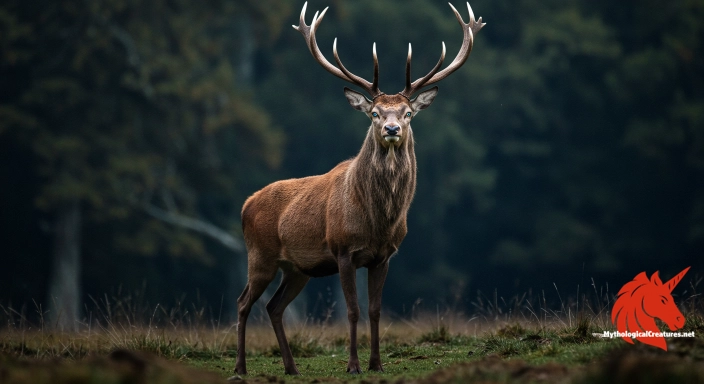
Eikþyrnir
Eikþyrnir - Embodies the link between the divine and natural worlds, symbolising eternal renewal and the cyclical nature of life
Origins & First Encounters
Eikthyrnir is a captivating figure in Norse mythology, renowned as a majestic stag that occupies a unique position atop Valhalla. His presence emerges from a rich tapestry of myth where the divine and the natural realms conjoin, illustrating the deep interconnection between life, death, and rebirth. The origins of Eikthyrnir are intricately woven into the saga of the gods, where early poetic texts hint at his symbolic role in upholding cosmic order. His first attestation in the surviving literature underlines a mystical bond with the realm of fallen warriors and the sacred cycle of nature. In the cultural landscape of the Norse, the stag epitomises both the raw power of nature and the ephemeral beauty of life that extends beyond mortal confines. This enigmatic creature is celebrated not only as a guardian of Valhalla but also as a living emblem of the eternal interplay between light and dark, strength and vulnerability. His enduring image communicates the timeless allure of the natural world meeting the divine, and has spurred further artistic and literary fascination through the centuries. The myth of Eikthyrnir illustrates the subtle complexity of Norse cosmology, where even a single creature can encapsulate the expansive, mystical energy of its world.
Source Texts & Tale Variants
The primary sources that mention Eikthyrnir are found in medieval Norse texts, particularly within the corpus of the Prose Edda, where he is depicted as an awe-inspiring stag reigning over the roof of Valhalla. References to him, though succinct, have inspired varied interpretations by later poets and storytellers who expanded on his mystical qualities. In certain poetic passages, his role is hinted to be integral to the cyclical patterns of nature, symbolised by the droplets that fall from his antlers. The oral tradition of the Norse people enriched these written accounts with colourful embellishments that emphasise his connection to life and fertility. Variants of the story, passed down through generations, often place Eikthyrnir in the context of other natural phenomena, aligning his being with the rhythmic cadence of the seasons. Skaldic verses and regional ballads have occasionally presented him as an ethereal bridge between the mortal realm and divine transcendence. These early narratives imbued him with qualities that gradually evolved into a powerful symbol of resilience and regeneration. The fragmented yet potent literary mentions of Eikthyrnir have allowed modern interpreters to piece together his myth, reinforcing his status as a central figure in the symbolic landscape of Norse lore. The multifaceted nature of his portrayal across sources highlights the dynamic evolution of myth within a culturally vibrant civilization.
Form & Powers
Eikthyrnir is frequently portrayed as a colossal, awe-striking stag whose physical form radiates a divine beauty and robust vitality. His stately figure is complemented by sprawling antlers that arc gracefully into the heavens, each branch seeming to serve as a vessel for mystic waters. The creature’s coat is often depicted as lustrous and shimmering, mirroring the soft luminescence of twilight and suggesting an otherworldly origin. Every aspect of his anatomy speaks to both raw power and an elegant grace, with muscular limbs and a proud stance that command reverence. His eyes, deep and reflective, convey an ancient wisdom that hints at the timeless cycles of existence. The antlers themselves are a central focus of his depiction, occasionally illustrated as channels through which nature’s essence flows in the form of water droplets. These physical characteristics not only establish him as a supernatural entity but also symbolise the broader metaphysical forces at play in Norse cosmology. In varying artistic renditions, Eikthyrnir’s size is exaggerated to emphasise his mythic significance, setting him apart from any mortal creature. The harmonious blend of form and symbolism in his physical description reinforces his role as a guardian of both natural and divine realms.
Regional Faces
While Eikthyrnir originates from the core of Norse mythology, his depiction is adapted with nuanced differences throughout the Scandinavian region. In Icelandic tradition, for instance, his image is interlaced with narratives of natural resilience and the sacred guardianship of the wilderness. Norwegian storytellers imbue him with additional layers of symbolism, portraying the stag as a sentinel of the forest whose presence marks the changing of seasons and the cyclical renewal of life. In Sweden, local legends sometimes merge his myth with that of ancient nature deities, giving him a role that extends beyond Valhalla into the depths of earthly lore. These regional variations highlight how communities customise the myth to reflect local spiritual and environmental themes. Rural folk festivals and artistic depictions in wood and stone have incorporated subtle regional elements, reinforcing his embodiment of natural beauty and cosmic continuity. Despite the variations, the core attributes of majesty, ethereal presence, and the life-sustaining power of his antlers remain consistent. Each cultural reimagining serves to enrich the myth of Eikthyrnir, ensuring that his legacy resonates within diverse local contexts. The adaptability of his tale across regions underscores the universal appeal of his symbolic connection to nature and the divine.
Cultural Parallels
The figure of Eikthyrnir finds intriguing parallels in various mythological traditions around the world, where the stag often appears as a symbol of fertility and transcendence. Much like the Celtic white stag, which is celebrated in numerous folk tales for guiding heroes and symbolising transformation, Eikthyrnir embodies an elusive yet potent force of nature. Across Indo-European mythologies, stags are frequently revered as messengers between the earthly and the spiritual, a role that Eikthyrnir fulfills with his elevated station atop Valhalla. Comparable to other horned deities and majestic forest creatures from different cultures, his antlers are seen as a metaphor for natural abundance and a conduit of life. This convergence of symbolism points to a shared human fascination with the natural cycle and its regenerative powers. Both in Norse tales and in the broader mythic canon, the stag serves as a link between the mundane and the mystical, a bridge that invites contemplation of the unseen. Eikthyrnir’s imagery resonates with themes found in shamanistic traditions, where animals are often depicted as spirit guides or guardians of sacred knowledge. The cross-cultural resemblances between his narrative and that of similar creatures underline the universal appeal of nature’s mysteries. In drawing these parallels, one can appreciate the rich, interconnected tapestry of myth that spans continents and epochs.
Legacy & Modern Evolution
Over the course of history, the legend of Eikthyrnir has evolved from an enigmatic mention in early Norse texts to a celebrated emblem within modern interpretations of myth. The initial, succinct accounts of his existence laid a foundation that later generations expanded upon, enriching his mythos with layers of symbolic meaning. During the Renaissance and subsequent periods of cultural revival, artists and writers reimagined his image, infusing contemporary aesthetics with ancient myth. Today, Eikthyrnir is often portrayed as a timeless guardian, a living symbol of nature’s enduring strength and its capacity for renewal. Modern adaptations in literature, film, and visual art have revisited his elegant form, blending historical reverence with inventive reinterpretations. His water-dripping antlers are frequently cited as a metaphor for the continual flow of life, resonating in a variety of modern environmental and spiritual contexts. In the realms of gaming and digital media, this majestic stag has been recontextualised as a powerful creature emblematic of ancient wisdom and natural energy. The endurance of his myth in popular culture speaks to a deep-rooted human desire to connect with the wild and the mystical. As scholars and enthusiasts continue to explore the depths of Norse mythology, Eikthyrnir remains a compelling bridge between past and present, a reminder of the rich tapestry of human imagination and belief.
Interesting Fact
It is said that the water dripping from Eikþyrnir’s antlers eventually forms rivers, symbolising nature’s continuous cycle of renewal and nourishment.
Reach myth fans
Connect your myth-driven brand with this audience
Our readers are writers, educators, gamers, and collectors who care about mythology. Enquire about a limited sponsor placement on creature pages.
Enquire about sponsorshipQuick Creature Info
Origin:
Associations:
Our Mythic Legendary Rating:

Also Sometimes Known As:
Habitat:
Supernatural Powers:
Physical Attributes:
Abilities:
Behavior:
Lore:
Related Creatures, Tales or Lore
- HHeiðrún
- SSæhrímnir
- CCernunnos
References
Discover Another Mythical Legend You May Not Have Heard Of?
Uncover the mysteries of ancient folklore and expand your knowledge of legendary beings from cultures around the world.
Dare to Meet the Kurangaituku....
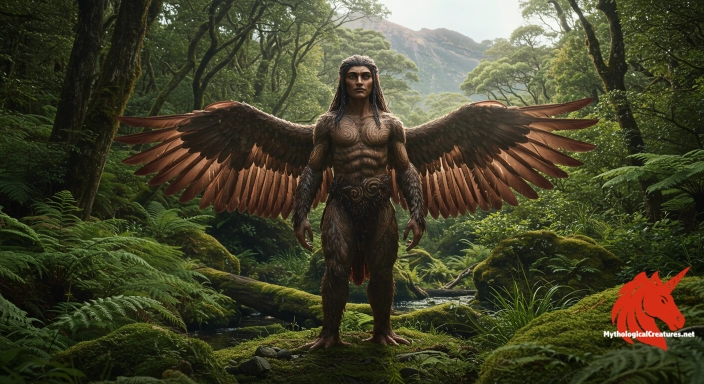
Curated by the Mythological Creatures Team
Series editor: Mythological Creatures Directory
Primary desk: Northern & European Folklore Desk
(rev. November 2025)