
Erymanthian boar: The Erymanthian boar is a colossal and untamed wild boar from Greek mythology.
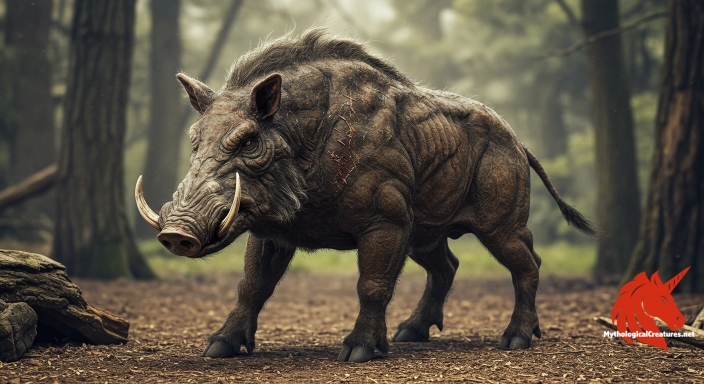
Erymanthian boar
Erymanthian boar - Represents the untamed forces of nature and is a significant challenge in the myth of Hercules.
Origins & First Encounters
The Erymanthian boar emerges from the depths of ancient myth as a formidable beast that challenged even the mightiest of heroes. It is renowned for its untamable nature, representing the raw, dangerous power of the wilderness that needed to be tamed by mortal endeavour. The creature is steeped in the rich traditions of Greek mythology, its origins interwoven with heroic tales that dramatise the eternal conflict between civilisation and nature. Its first appearances in legendary narratives coincide with the labours undertaken by celebrated heroes, situating it at the crossroads of divine intervention and mortal struggle. The beast’s myth was cultivated in regions characterised by rugged terrains and deep woodland mysteries, reflecting the ancient Greeks’ reverence for and fear of the wild. Through its connection with the rugged landscapes of Arcadia and Erymanthus, the boar symbolised both the peril and beauty inherent in the natural world. Its role in myth extended beyond mere physical danger to embody the transformative challenges that heroes were destined to overcome. The portrayal of the Erymanthian boar thus encapsulates a timeless narrative of conflict, resilience, and the pursuit of order amid chaos.
Source Texts & Tale Variants
The ancient narratives featuring the Erymanthian boar are preserved in a tapestry of poetic and heroic accounts that span centuries. Multiple early texts allude to its terrorizing exploits, presenting a creature that embodies the elusive and unpredictable forces of nature. Diverse story variants paint the boar as both a physical menace and a symbolic entity that tests the mettle of any who dare confront it. Traditional epic cycles recount detailed episodes in which the boar wreaks havoc upon the serene groves and pastoral landscapes, embedding its legend in the cultural memory of the region. The tales are not confined to a single version but evolve across local oral traditions and subsequent literary retellings, each adding layers of nuance to its character. Some accounts stress its role within the heroic labours, while others highlight its more enigmatic, almost supernatural, qualities. The creature’s depiction is enriched by a blend of folklore and myth, ensuring a legacy that transcends generations and geographical boundaries. This multiplicity of narratives underscores a rich dialogue between artistic imagination and the collective mythic tradition of the ancient Greeks.
Form & Powers
The Erymanthian boar is depicted as a vast, muscular creature endowed with a wild and untamed physique that captivates the imagination. Its thick, shaggy coat is often described as matted and unruly, lending it an appearance that speaks to its fierce independence and raw vitality. The animal boasts a powerful build with broad shoulders and sturdy legs that facilitate its rapid charge through rugged terrains. Notable are its ferocious tusks, curving sharply from its massive jaws, which seemingly drip with the froth of its relentless aggression. The boar’s foaming jaws and intense gaze evoke a sense of imminent danger, underscoring its mythic reputation as a scourge of the wild. Variations in ancient depictions reveal differences in the texture of its bristles and the prominence of muscular contours, suggesting a range of interpretations regarding its formidable weight and strength. Its eyes, often portrayed as fiercely intelligent and untamed, capture the essence of an animal that is as cunning as it is brute. Such detailed portrayals collectively paint a creature that is not only physically imposing but steeped in the symbolism of nature’s raw, unbridled power.
Regional Faces
Across the diverse landscapes of ancient Greece, the Erymanthian boar takes on distinct regional identities that echo the varied environments from which it sprang. In Arcadia, the creature is intimately connected with the rugged, cypress-bearing heights of Erymanthus, reflecting the local people's intimate relationship with the natural world. Some regions refer to it as the Tegeaean boar, thereby linking its identity to the distinctive cultural and geographical features of nearby settlements. Local myths often imbue the beast with qualities that mirror the character of regional landscapes, whether it be the deep, mysterious glens of Lampeia or the expansive marshes that define the area. These variations have led to differing emphases in its character, ranging from a near-divine guardian of the wild to a destructive force that disrupts pastoral tranquillity. The creature’s narrative is thus a vivid tapestry where geography and myth intertwine seamlessly. Minor local adaptations also introduce new motifs and dramatic elements that enrich the creature’s legend through the perspectives of varied communities. In every iteration, the boar reinforces the idea that nature, in its myriad forms, holds both beauty and a dangerous, untamed spirit.
Cultural Parallels
The Erymanthian boar occupies a special place in myth alongside other legendary creatures, standing shoulder to shoulder with figures such as the Calydonian Boar which also roams the pages of heroic lore. Its portrayal invites comparisons with similar beastly challenges found in various cultures, where wild boars are emblematic of untamed nature and the primal forces within the natural world. In many traditions, boars represent both fertility and ferocity, and the myth of the Erymanthian boar resonates with these dual aspects. The creature shares thematic parallels with mythic beasts in other cultures, such as those found in Celtic and Norse legends, where wild boars frequently emerge as symbols of unyielding natural might. This cross-cultural presence highlights a broader archetype wherein a formidable boar becomes a touchstone for discussions about human vulnerability and the enduring power of the earth. The narratives illustrate how heroes, by confronting such beasts, symbolically wrest control over the chaotic elements of nature. The shared motifs demonstrate an ancient understanding of the boar as a mediator between the domestic and the wild. Hence, the comparative study of the Erymanthian boar enriches our understanding of how diverse mythologies use similar symbols to express universal themes of conflict, survival, and transformation.
Legacy & Modern Evolution
Throughout the centuries, the depiction of the Erymanthian boar has evolved from a vividly feared adversary to a potent symbol imbued with layers of metaphorical meaning. Its image once adorned ancient pottery and sculptural reliefs, serving as a visual reminder of the heroic challenges intertwined with the untamed forces of nature. Over time, the creature has transcended its literal role in myth, emerging as an allegory for the struggle against overwhelming natural power and the human impulse to conquer the wild. Modern interpretations often cast the boar in a more introspective light, suggesting themes of inner turmoil and the confrontation with one’s own wild side. Contemporary literature and art continue to draw upon its storied past, reimagining the beast in contexts that speak to modern dilemmas and environmental concerns. The persistent allure of its myth lies in its adaptability and the way it captures the spirit of conflict and renewal. Festivals, artistic representations, and popular narratives have all embraced the boar as a symbol of nature’s unruly beauty and resilience. This enduring legacy ensures that the Erymanthian boar remains a dynamic figure in the cultural imagination, bridging the gap between ancient myth and modern storytelling.
Interesting Fact
One of the Twelve Labours of Hercules involved capturing the Erymanthian boar, cementing its legacy as a symbol of raw, unbridled natural force in Greek mythology.
Support the directory
Promote your myth project and fund more research
Sponsor placements help keep this directory growing and free to use while giving your work a focused, relevant audience.
Learn how sponsorship worksQuick Creature Info
Origin:
Features:
Associations:
Our Mythic Legendary Rating:

Also Sometimes Known As:
Habitat:
Supernatural Powers:
Physical Attributes:
Abilities:
Behavior:
Lore:
Related Creatures, Tales or Lore
- CCalydonian Boar
- CCretan Bull
References
Discover Another Mythical Legend You May Not Have Heard Of?
Uncover the mysteries of ancient folklore and expand your knowledge of legendary beings from cultures around the world.
Dare to Meet the Panopea....
Curated by the Mythological Creatures Team
Series editor: Mythological Creatures Directory
Primary desk: Hellenic & Ancient Mediterranean Desk
(rev. November 2025)