
Eubuleus: Eubuleus is an ancient Greek god associated with mystery religions, whose name means 'good counsel' or 'wise in counsel'.
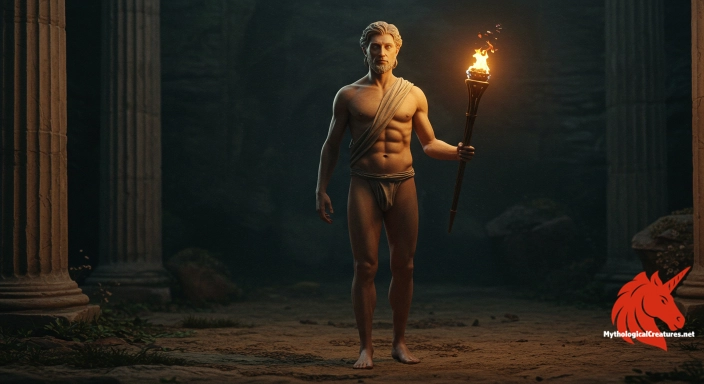
Eubuleus
Eubuleus - Eubuleus is recognised for leading souls back from the Underworld, symbolising hope and the cycle of rebirth in mystery cults.
Origins & First Encounters
Eubuleus, whose name translates as 'good counsel', emerges as a mysterious yet pivotal figure in the landscape of ancient Greek religious thought. His earliest attestations are found in devotional inscriptions linked with the mystery religions that permeated the ancient world. The deity is chiefly known from the context of the Orphic gold tablets, where his presence is both subtle and profound. Over time, his identity has been interpreted in multiple ways—either as an independent divine figure or as an epithet of major gods such as Dionysus, Zagreus, or even Zeus. His association with wisdom and guidance reflects a cultural emphasis on the importance of enlightened leadership during ritual practices. Many of the inscriptions depict him as a spiritual guide, one who leads individuals back from the shadowed realms of death. The interplay between his autonomous identity and his connection to more prominent deities has intrigued scholars for decades. This dynamic characterisation not only highlights the layered nature of ancient myth but also underlines the transformative potential of divine symbolism in mystery cults. Ultimately, Eubuleus endures as both a beacon of mystical insight and a testament to the rich tapestry of Greek mythological tradition.
Source Texts & Tale Variants
The primary sources related to Eubuleus are predominantly found among the inscriptional records and ritual artefacts of ancient mystery traditions. Numerous inscriptions, especially those on Orphic gold tablets, offer varied forms of his name, including Euboulos, Eubouleos, and Eubolos. These artefacts provide a glimpse into the complex religious milieu of the period, revealing the extent of his veneration among mystery adepts. In many instances, the texts do not simply mention him in passing but embed his name within the sacred liturgy of religious rites. Ritual inscriptions and dedicatory texts underscore his role in guiding the initiate's journey through the metaphysical landscapes of life and death. Despite the fragmentary nature of these sources, each piece contributes to a broader understanding of his multifaceted character. Some inscriptions distinguish him from other well-known deities, suggesting a unique function within the religious hierarchy. The recurring presence of Eubuleus in diverse texts points to an enduring and influential religious significance. Through these diverse sources, historians continue to unravel the varied interpretations and story variants attached to his myth.
Form & Powers
Artistic depictions of Eubuleus reveal a figure imbued with both energetic dynamism and serene wisdom. He is most commonly portrayed as a torchbearer, an image that symbolises his role in illuminating the dark passages of the Underworld. His form is typically rendered with an idealised youthfulness, reflecting vitality alongside a measured, reflective composure. The iconography often includes a flowing robe or chiton that drapes elegantly over a well-defined body, suggesting both grace and divine authority. In some representations, intricate details such as a laurel wreath or subtle ornamental patterns enhance his dignified presence. The torch he holds is not merely an accessory, but a potent emblem of guidance, serving as a metaphor for the journey from ignorance to enlightenment. Variations in his depiction sometimes show him in a contemplative stance or in the company of other deities, which further enriches his symbolic narrative. His eyes are frequently rendered as luminous, embodying the inner light of knowledge that he bestows upon his followers. Overall, the visual portrayals of Eubuleus consistently merge elements of beauty, mystery, and the transcendent power of guidance.
Regional Faces
Eubuleus’ mythological attributes exhibit noteworthy variations across different regions of the ancient Greek world. In centres associated with the Eleusinian Mysteries, he occasionally appears as an adjunct to more central figures, intertwining with local rites of rebirth and agricultural cycles. In contrast, communities steeped in Orphic traditions have embraced him as a primary symbol of mystical guidance, underscoring his unique role as the light that leads souls from the underworld. Regional iconography often adapts his imagery to reflect local artistic styles, with distinct motifs and customary embellishments that align with the spiritual values of the area. In certain locales, the ceremonial representation of Eubuleus merged his identity with that of other transformative deities, thereby enhancing his stature in ritual contexts. The way in which he is portrayed—from subtle inscriptions to elaborate reliefs—varies to accommodate local liturgical innovations. Festivities and local cult practices sometimes reinterpreted his character to resonate more closely with regional mythic themes. This regional diversity not only enriched his narrative but also helped preserve his legacy across widely dispersed communities. Each adaptation contributes to a broader mosaic that illustrates how ancient societies invested divine figures with locally specific meanings while maintaining a common core of mystic symbolism.
Cultural Parallels
The role of Eubuleus as a torchbearer and guide in the realm of the afterlife finds resonances in the mythologies of other cultures. Much like Hermes, who is known as the psychopompos for his guidance of souls, Eubuleus is intrinsically linked to the journey between the worlds of light and darkness. His illuminating torch symbol offers a direct visual parallel to motifs found in other traditions, where light is equated with knowledge and the dispelling of ignorance. The guiding function attributed to him invites comparisons with figures such as Charon, though his role is gentler and more emblematic of counsel rather than mere passage. In several ancient cultures, the concept of a divine guide who leads individuals through transitional states is a recurrent and powerful theme. This shared motif not only underscores the universality of the human quest for understanding the afterlife but also highlights the adaptive nature of myth across different societies. Eubuleus, in this light, serves as a bridge connecting the distinctly Greek emphasis on mystery and rebirth with broader cultural narratives about the journey of the soul. His multi-dimensional character is reflective of a wider archetype found in both Mediterranean and Near Eastern mythologies. Thus, the cross-cultural parallels offer insightful perspectives into how ancient peoples symbolised the pathways between life, death, and transcendence.
Legacy & Modern Evolution
The historical evolution of Eubuleus illustrates how an ambiguous mythological figure can gradually emerge from obscurity to command a distinct and respected identity. Over the centuries, he transitioned from a mere epithet associated with greater deities to a venerated symbol within his own right. The late 20th and early 21st centuries witnessed a renaissance in scholarly interest, prompting a fresh interpretation of his inscriptions and artistic representations. His depiction as a torchbearer has resonated deeply with modern audiences, evoking themes of guidance, enlightenment, and the transformative power of wisdom. Contemporary reinterpretations have seen his image revived in literature, visual arts, and even in certain neo-pagan rituals that celebrate ancient mystery traditions. This modern legacy reflects a broader trend in which lesser-known deities are reevaluated as significant cultural icons. The layered narratives surrounding Eubuleus continue to influence both academic debates and popular imaginative portrayals. His story, steeped in the rich symbolism of ancient rites, offers timeless lessons on the interplay of light and shadow, knowledge and mystery. Today, Eubuleus stands as a testament to the enduring human fascination with the unknown and the eternal quest for understanding.
Interesting Fact
An intriguing aspect of Eubuleus is his evolving identity; originally considered merely an epithet for other major gods, he is now recognised as a distinct deity with a major role in guiding souls from the Underworld.
Mythology-aligned partners
Showcase your myth-friendly brand here
Run a store, studio, or platform that lives in the world of myth and folklore? A curated sponsor panel on these pages may fit.
Explore partnership optionsQuick Creature Info
Origin:
Associations:
Our Mythic Legendary Rating:

Also Sometimes Known As:
Habitat:
Supernatural Powers:
Physical Attributes:
Abilities:
Behavior:
Lore:
References
Discover Another Mythical Legend You May Not Have Heard Of?
Uncover the mysteries of ancient folklore and expand your knowledge of legendary beings from cultures around the world.
Dare to Meet the Moon Lake Monster....

Curated by the Mythological Creatures Team
Series editor: Mythological Creatures Directory
Primary desk: Hellenic & Ancient Mediterranean Desk
(rev. November 2025)