
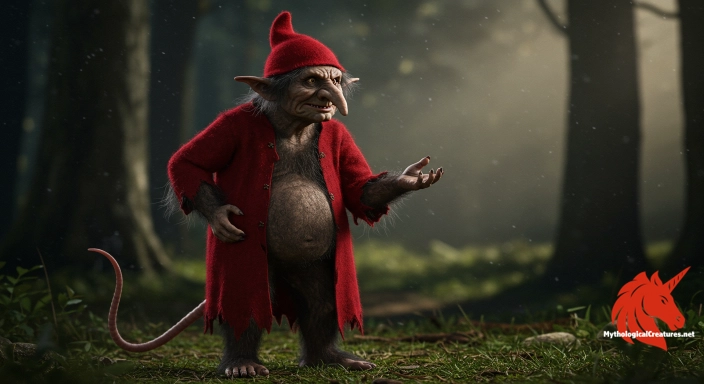
Far darrig: The Far darrig is a solitary faerie from Irish mythology, recognized by its striking red coat and cap.
Far darrig
Far darrig - Embodies the darkly humorous and dangerous aspects of faerie trickery, serving as a reminder of the capricious nature of the Otherworld.
the legend in five swipes.
the legend in five swipes.
How did the Far darrig enter folklore?
The far darrig, a singular presence within Irish folklore, exudes a distinctive blend of humour and unsettling mischief. Emerging from ancient myth and sustained by a rich tradition of oral storytelling, this faerie is integrally linked to the colour red, which serves as both a visual and symbolic hallmark. Its appellation, derived from the Irish terms for 'Red Man', hints at an origin steeped in the mystery of the Celtic otherworld. Over time, the far darrig has been portrayed as a solitary, enigmatic figure who inhabits the fringe between the natural and supernatural. It appears alongside other trickish faeries such as the leprechaun and the clurichaun, yet maintains its uniqueness with a penchant for grim jest. This creature’s narrative weaves together elements of playful subversion and dark warning, reflecting the complex attitudes of early Irish society toward the faerie realm. Its stories, often recounted in hushed tones around the hearth, illustrate a world where mirth and malevolence coalesce. Not merely a figure of lore, the far darrig embodies the unpredictable nature of fate and the inescapable charm of the unknown. The timeless appeal of its character has endured through generations, offering both amusement and an admonition to those who dare to explore the unseen. In essence, the far darrig continues to captivate modern audiences while echoing the enigmatic spirit of Ireland’s mythic past.
How many versions of the Far darrig story are there?
Ancient manuscripts and the enduring oral tradition have long preserved the tales of the far darrig. One of the most detailed accounts appears in the compendium 'Fairy and Folk Tales of the Irish Peasantry', where the creature’s mischievous exploits are vividly recorded. Variants of the narrative depict it as an isolated faerie whose antics range from the playfully absurd to the ominously macabre. Some stories recount episodes where the far darrig supplants human infants with changelings, a theme that reverberates with the eerie undertones of other faerie lore. Multiple texts suggest that its penchant for practical and gruesome jokes was intended to both entertain and serve as a caution. Over time, the details of these tales have evolved, influenced by the local storytellers and the whims of regional culture. Certain versions interlace its misadventures with elements of nightmare and surreal horror, enhancing its mystique. The rich variety of sources underscores the creature’s adaptability and the diverse interpretations that have emerged throughout Irish history. Each narrative fragment contributes to a broader, if often contradictory, portrait of a faerie both feared and revered. In this way, the far darrig remains a potent symbol of the intertwining of humour, danger, and the supernatural.
Far darrig: Physical Form and Supernatural Powers
The physical depiction of the far darrig is as distinctive as it is unsettling, marked by a striking array of features that have captivated the imaginations of storytellers. Its signature red coat and cap immediately set it apart from other faerie creatures, imbuing it with an aura of both vibrancy and foreboding. Often described as corpulent or 'fat', this creature’s round physique contrasts sharply with the more lithe forms of its faerie kin. Its dark, hairy skin adds an element of raw, untamed nature to its appearance, blending human and otherworldly traits. A long, pointed snout and a skinny, almost rat-like tail further contribute to its bizarre silhouette, evoking both comedy and discomfort. Variations in the lore sometimes highlight minute details, such as the way light plays on its red garments or the sly glint in its eyes, deepening its enigmatic charm. These elements collectively create an image that is simultaneously grotesque and fascinating. The far darrig’s fluctuating physical features mirror the mutable essence of faerie beings, whose appearances are often shaped by the teller’s imagination. Each descriptive nuance reinforces its reputation as a creature that straddles the line between mirthful trickery and disturbing otherness. Ultimately, the physical traits of the far darrig encapsulate the duality at the heart of many faerie legends.
How does the Far darrig legend change from place to place?
While the far darrig is rooted in the core traditions of Irish mythology, its portrayal has varied subtly across different regions and communities. In some local narratives, the creature is recast in a more playful light, its eerie reputation softened by a touch of local humour and endearment. In contrast, certain areas emphasise its connection to ominous phenomena, such as nightmares and unexplained nocturnal disturbances. This regional variation reflects the broader tendency within Irish folklore to adapt characters to suit local customs and seasonal celebrations. Rural storytellers have sometimes woven the far darrig into tales associated with harvest rituals or winter festivities, thereby granting it a role that is simultaneously mischievous and instructive. Differences in descriptive details, from the shade of its red attire to the texture of its skin, help to delineate unique regional iconographies. In some communities, the far darrig is regarded as a benign trickster, while in others its practical jokes carry a darker, cautionary edge. These adaptations serve to illustrate the dynamic nature of myth, where a single character can encapsulate a spectrum of cultural sentiments. The regional diversity in its portrayal speaks to the resilience of its mythic image, evolving alongside the societal and environmental context in which it is told. Thus, the far darrig remains a versatile and enduring figure in the varied landscape of Irish folklore.
What figures resemble the Far darrig?
The far darrig occupies a fascinating space within the broader panorama of faerie mythology, drawing intriguing parallels with similar figures across Celtic and European traditions. Like its well-known counterparts—the leprechaun and the clurichaun—it is often depicted as a solitary trickster whose antics oscillate between benign amusement and darker mischief. Its unmistakable red attire and grotesque features invite comparisons with Scottish redcaps, creatures known for both their vivid dress and their violent, mischievous nature. The motif of swapping human infants with changelings is a recurring theme not only in Irish lore but also in various northern European tales, suggesting a shared cultural cautionary tale across different regions. The far darrig’s dual nature, embodying both comic relief and an undercurrent of danger, echoes the archetype of the trickster found in many mythological traditions. Its unpredictable character reinforces the universal narrative of faeries as beings who blur the lines between helpful and harmful. Such cross-cultural connections underscore how myth serves as a reflection of collective human experiences and anxieties. The shared characteristics across these tales illustrate a common linguistic and symbolic framework in European folklore. By comparing its traits with those of other legendary mischief-makers, one gains insight into the multifaceted role that faerie beings play in narrating human interaction with the unknown. Ultimately, the far darrig is a compelling example of how regional variations can resonate with universal themes in myth.
Far darrig: Then and Now
Over the centuries, the far darrig has undergone a significant evolution in its depiction and cultural resonance. Early portrayals captured a creature both amusing and fearsome, a duality that reflected the unpredictable nature of the faerie realm. In historical narratives, its penchant for gruesome practical jokes served as both entertainment and a cautionary reminder about meddling with supernatural forces. In modern times, the far darrig has been reimagined within the contexts of fantasy literature, art, and film, where its more lighthearted aspects are often emphasised. Contemporary interpretations have broadened its appeal, presenting it as a quirky emblem of Irish cultural heritage that balances irreverence with mysticism. The creature’s image now appears in graphic novels, exhibitions, and popular media, capturing the interest of a new generation of folklore enthusiasts. Its evolution mirrors broader shifts in society’s attitudes toward myth and the supernatural, where old legends are reframed to resonate with modern sensibilities. Despite these changes, the far darrig continues to embody the timeless interplay between humour and horror that characterises much of Irish folklore. Its enduring legacy is a reflection of the deep-rooted fascination with the faerie world and the mutable character of myth itself. Thus, the far darrig remains a vibrant symbol of cultural heritage, bridging the gap between ancient tales and contemporary creative expression.
Interesting Fact
An intriguing aspect of the Far darrig is its dual identity as both a humorous trickster and a sinister force capable of causing real harm through its curse-like actions, reflecting the complex moral ambiguity of faerie folklore.
Mythological Treasures
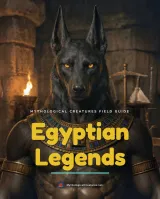
Egyptian Legends: A field guide to the gods and monsters of ancient Egypt
Guardians of the living and devourers of the dead, with the role each played in judgement.
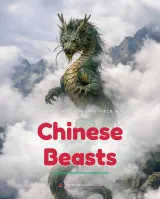
Chinese Beasts: A field guide to the dragons and demon kings of Chinese myth
From river dragons to demon kings, with the legends that shaped five thousand years of storytelling.
Japanese Yokai: A field guide to the spirits and demons of Japanese folklore
Fifteen spirits, with the signs to watch for and what the old tales say to do if you meet one.
the legend in five swipes.
For serious mythcraft
Your project belongs among the legends
If your work deepens how people understand, play with, or teach mythology, a sponsor placement here keeps it in front of the right readers all year.
Submit a sponsorship enquiryQuick Creature Info
Features:
Associations:
Our Mythic Legendary Rating:

Also Sometimes Known As:
Habitat:
Supernatural Powers:
Physical Attributes:
Abilities:
Behavior:
Weaknesses:
Lore:
Related Creatures, Tales or Lore
References
Discover Another Mythical Legend You May Not Have Heard Of?
Uncover the mysteries of ancient folklore and expand your knowledge of legendary beings from cultures around the world.
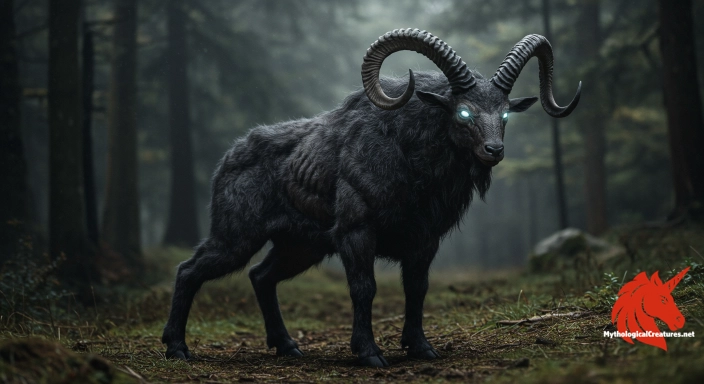
Dare to Meet the Akerbeltz....
The Mythological Creatures Book Series
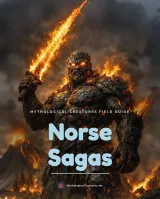
Yokai, Greek, Norse, Egyptian & Chinese. Five illustrated field guides to the creatures the old stories either warned or told you about.
Curated by the Mythological Creatures Team
Series editor: Mythological Creatures Directory
Primary desk: Northern & European Folklore Desk
(rev. November 2025)