
Fereydun: Fereydun is an Iranian mythical king and hero from the Pishdadian dynasty, celebrated as an emblem of victory, justice, and generosity.
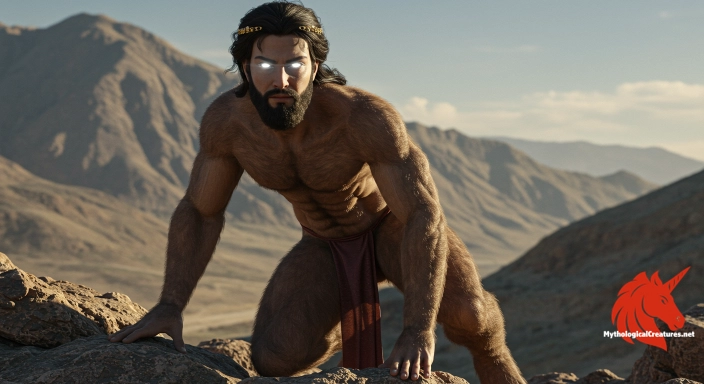
Fereydun
Fereydun - Fereydun stands as an emblem of victory, justice, and generosity and is a central figure in Iranian cultural heritage.
the legend in five swipes.
the legend in five swipes.
The Beginnings of Fereydun
Fereydun emerges as a towering figure in Iranian mythology, celebrated for his embodiment of victory, justice, and generosity. His legendary origins are rooted in the mythic Pishdadian dynasty, a period when the divine and the mortal converged in the early cultural consciousness of ancient Persia. His tale is first attested in sacred texts and epic poetry, where his deeds provided a blueprint for the ideal ruler and hero. The narrative of his life captivates through its portrayal of moral rectitude intermingled with supernatural prowess, making him a timeless symbol of hope and order. His story reflects the perennial struggle against tyranny and chaos, encapsulating themes of renewal and rightful dominion. Over the ages, Fereydun has been held in esteem not only as a mythic king but also as a moral exemplar whose virtues continue to resonate. The intertwining of his destiny with cosmic forces and natural phenomena underscores a legacy that celebrates both the celestial and the human. His saga has helped shape the ethos of Persian cultural identity, inspiring generations to value justice and communal welfare. This fusion of myth and moral ideology has imbued Fereydun’s legend with a lasting appeal that transcends time.
Fereydun in the Historical Record
The epic of Fereydun is preserved in a diverse array of ancient texts and folklore, each contributing layers of nuance to his storied persona. His earliest mentions are found within the sacred Avestan narratives, where fragments of his heroic exploits hint at a celestial mandate against chaos. Later, the narrative is richly elaborated in monumental works such as the Shahnameh, which enshrines his defiant struggle against tyrannical forces. Various manuscripts and oral traditions have since carried his legend across generations, with each retelling embracing subtle variations in detail and emphasis. Some versions focus on his divine ancestry and the miraculous circumstances of his birth, while others accentuate his lifelong quest for justice. The multiple sources that recount his deeds highlight a flexible narrative scheme, capable of incorporating local cultural influences and changing moral paradigms. The evolving story of his conquest, particularly his famed victory over a malevolent adversary, is emblematic of the dynamic interplay between myth and history. Through these layered sources, Fereydun’s myth has been continuously reshaped to mirror the evolving values and aspirations of Persian society. The amalgamation of these diverse traditions paints a portrait of a hero whose legacy is as multifaceted as the cultures that venerate him.
What powers did Fereydun have?
Visual portrayals of Fereydun capture the regal and almost otherworldly qualities that define his mythic presence. He is often depicted with a noble countenance, characterised by discerning eyes that seem to reflect both wisdom and unwavering resolve. His robust physique and graceful bearing convey the strength of a warrior king, one who commanded not just armies but the very forces of nature. Traditional iconography frequently adorns him in elaborate robes and a diadem, symbols of the divine right and majestic authority that his stature represents. A halo or radiant glow is sometimes suggested in artistic renditions, alluding to the supernatural favour that accompanies his heroic labours. Variations in artistic styles across different eras and regions have embellished his features with both classical beauty and an unmistakable aura of command. Some portrayals accentuate his muscular form and vigorous stance, while others imbue him with an ethereal grace that belies ordinary human form. The interplay between detailed regalia and expressive facial features in these images reinforces his role as both a mortal sovereign and a near-divine figure. This blend of physical realism and symbolic embellishment underscores the enduring appeal of Fereydun’s visual legacy.
Fereydun: Local Variations in the Story
Across the varied cultural landscape of the ancient Iranian world, the story of Fereydun has been reinterpreted to reflect local traditions and societal values. In many regions, his myth is interwoven with indigenous symbols and rituals, which enrich the narrative with unique regional flavours. Some local accounts cast him explicitly as a bridge between earthly existence and celestial order, often linking his deeds to the cycles of nature and seasonal rites. The adaptations of his story vary from the heartlands of Persia to neighbouring territories, where oral traditions further embellish his persona with local heroic motifs. In communities steeped in Zoroastrian tradition, his connection to sacred fire and cosmic justice is particularly emphasised. These regional variations serve to underline the flexibility of his myth, allowing each culture to claim him as a symbol of resistance against tyranny and a guarantor of moral order. Folk narratives in various locales have introduced distinct episodes and symbolic attributes that align with their own historical experiences. Whether celebrated in poetic recitations or local festivals, his legacy is a testament to the dynamic interplay between pan-Iranian myths and regional storytelling traditions. The diverse retellings of Fereydun’s adventures showcase the adaptability of myth as it travels through both time and space.
Which figures are similar to Fereydun?
The legend of Fereydun shares striking similarities with mythological heroes found across a wide spectrum of cultures, making him an intriguing subject of comparative analysis. His role as the divine liberator who triumphs over oppressive forces invites parallels with heroic figures such as King Arthur in British lore and even the mighty Hercules of Greek myth. Like these archetypes, Fereydun’s narrative is characterized by the heroic defeat of a sinister adversary, symbolising the eternal struggle between order and chaos. His embodiment of justice and noble sacrifice resonates with the universal motif of the 'sacred king,' whose moral authority ensures the welfare of his people. Elements of his story echo in the epic tales of other ancient cultures, where leaders are both mortal and touched by divinity, ensuring the prosperity of their realms. This cross-cultural affinity highlights the common human desire to find in myth a reflection of societal ideals and the promise of renewal after turmoil. The integration of celestial signs and heroic conquests in his lore mirrors similar narrative strands found in a multitude of cultural mythologies. Such comparative themes underscore the idea that although the specifics may differ, the core values represented by Fereydun remain universally recognisable. His legend, therefore, acts as a bridge between disparate mythic traditions, reinforcing shared themes of heroism and moral resurgence.
How is Fereydun remembered today?
Fereydun’s myth has experienced a vibrant evolution, continually adapting to the shifting cultural and political landscapes of Persian society. His legendary deeds have not only shaped early Iranian literary traditions but have also been harnessed as symbols of national pride and moral fortitude throughout the centuries. As successive regimes sought to legitimise their rule, his narrative was often invoked to underscore the ideals of justice, resilience, and divine favour inherent in righteous leadership. In modern reinterpretations, Fereydun serves as a potent cultural icon whose virtues of fairness and courage continue to inspire artistic endeavours, literature, and even contemporary political discourse. The timeless quality of his legend underscores its adaptability, as modern media have reimagined his myth in film, visual arts, and popular literature. His legacy resonates with those who see in his story an archetype of resistance against tyranny and a celebration of the highest ideals of human governance. Reflecting both historical memory and mythic aspiration, his narrative has helped forge a collective identity that transcends mere legend. Even today, cultural festivals and literary works keep his memory alive, underscoring his role as a moral exemplar across generations. The enduring presence of Fereydun in modern discourse underscores the power of myth to shape and reflect the enduring values of a civilisation.
Interesting Fact
Fereydun is sometimes considered a mythological reflection of Cyrus the Great, bridging the realms of legend and history in Iranian cultural memory.
Mythological Treasures
Norse Sagas: A field guide to the beasts of the Viking world
Drawn from the saga accounts themselves, with the powers, weaknesses and doom of each being set out.
Egyptian Legends: A field guide to the gods and monsters of ancient Egypt
Guardians of the living and devourers of the dead, with the role each played in judgement.
Chinese Beasts: A field guide to the dragons and demon kings of Chinese myth
From river dragons to demon kings, with the legends that shaped five thousand years of storytelling.
the legend in five swipes.
Mythology-aligned partners
Showcase your myth-friendly brand here
Run a store, studio, or platform that lives in the world of myth and folklore? A curated sponsor panel on these pages may fit.
Explore partnership optionsQuick Creature Info
Origin:
Features:
Associations:
Our Mythic Legendary Rating:

Also Sometimes Known As:
Habitat:
Supernatural Powers:
Physical Attributes:
Abilities:
Behavior:
Lore:
Related Creatures, Tales or Lore
- JJamshid
- KKeyumars
- RRostam
References
Discover Another Mythical Legend You May Not Have Heard Of?
Uncover the mysteries of ancient folklore and expand your knowledge of legendary beings from cultures around the world.
Dare to Meet the Seri Pahang....
The Mythological Creatures Book Series
Yokai, Greek, Norse, Egyptian & Chinese. Five illustrated field guides to the creatures the old stories either warned or told you about.

Curated by the Mythological Creatures Team
Series editor: Mythological Creatures Directory
Primary desk: Asian & Pacific Myth Cycles Desk
(rev. November 2025)