
Furaribi: Furaribi is a traditional Japanese fire yōkai depicted as a mysterious, wandering flame.
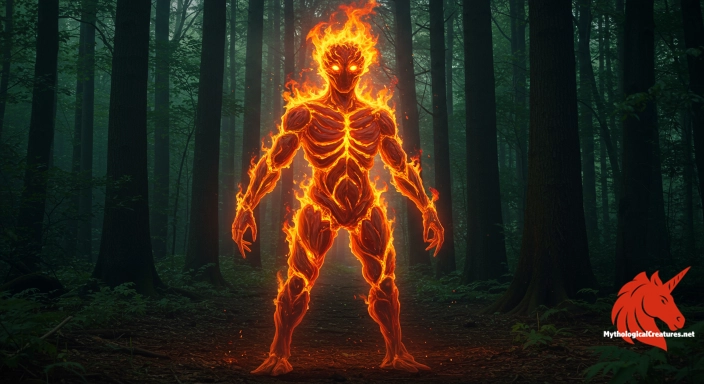
Furaribi
Furaribi - Embodies the ephemeral nature of fire and the enigmatic qualities of Japanese supernatural lore
Origins & First Encounters
Furaribi is an enigmatic fire yōkai that has captured the imaginations of generations within Japanese folklore. Born from the rich cultural traditions of the Edo period, this spectral flame embodies both the beauty and the unpredictability of fire. Its first notable appearance is found in classical art collections, most famously in Sekien Toriyama’s Gazu Hyakki Yagyō, which helped cement its iconic status. The creature’s very name evokes the notion of flickering, transient light that dances on the edge of night, reflecting fire’s inherent duality of creation and destruction. Its mythic origins intertwine with ancient beliefs about the natural elements, where fire is both a nurturing force and a potential harbinger of chaos. Furaribi is celebrated not only as a visual motif but also as a symbolic reminder of the ephemeral nature of existence. The entity’s presence in traditional art also hints at deeper metaphysical interpretations, suggesting a connection between earthly phenomena and spiritual energies. It has been revered as a mysterious guide for those traversing the darkness, representing the interplay of fate and natural power. Over time, its story has spread beyond rigid artistic descriptions, growing as an emblem of nature’s capricious temperament. The legacy of Furaribi endures, inviting both awe and introspection about the roles of beauty and peril in the elemental world.
Source Texts & Tale Variants
The primary sources detailing Furaribi are rooted in the visual art of classical Japan rather than in extensive narrative texts. Renowned compilations such as Sekien Toriyama’s Gazu Hyakki Yagyō, Sawaki Suushi’s Hyakkai Zukan, and the Bakemonozukushi have immortalised its flickering form. These artistic works, while succinct, provide invaluable insights into the creature’s mythological standing and visual representation. Each depiction hints at a deeper lore that has been passed down through generations, sparking curiosity about its origins and purpose. Although written accounts remain sparse, the illustrations speak eloquently of a fire spirit whose presence is both enigmatic and symbolic. Folkloric variants have gradually built upon these early images, offering divergent views that range from benign guide to ominous portent. Some narratives describe it as a transient spark that appears just before calamity, while others portray it as an ethereal companion in the shadows. The convergence of artistic tradition with regional storytelling has served to broaden the myth, creating multiple story threads that artistes later wove into the canonical image of Furaribi. Subtle shifts in its portrayed characteristics over time underscore the dynamic nature of folklore transmission. Collectively, these sources provide a layered tapestry of interpretations despite their brevity, enriching the cultural legacy of this elusive yōkai.
Form & Powers
Visually, Furaribi is portrayed as a shifting blaze that captures the ephemeral essence of fire. Its form is neither static nor entirely defined, often appearing as a ripple of light that flits unpredictably along the darkened horizon. The entity lacks a conventional body, instead manifesting as an ever-changing amalgam of radiant colours and flickering edges. Hints of human-like contours are sometimes discernible, as if the essence of a lost spirit has been woven into the dancing flames. The predominant hues range from deep crimsons to vivid oranges, interlaced with fleeting glimmers of yellow that evoke the heat of a dying ember. Its size varies with the observer’s perspective, at times mere sparks and at others an engulfing inferno. The visual impression is further enhanced by the interplay of light and shadow, emphasising the creature’s elusive and transient nature. Fine details in the artwork suggest a rhythmic pulsation, reminiscent of both a heartbeat and a flickering candle flame. This dynamic appearance encapsulates the core symbolism of fire – a beauty marked by impermanence and potential danger. Ultimately, the physical depiction of Furaribi stands as a poetic representation of the wild, untameable spirit of flame.
Regional Faces
While Furaribi is most famously celebrated in central Japanese cultural artefacts, its portrayal has been subject to regional reinterpretation throughout Japan. Various districts have adapted its image to align with local environmental phenomena and social beliefs, sometimes presenting it as a benign, wandering light or as a warning of hidden perils. In northern areas, its spectral glow is often associated with the eerie ambience of long, dark winters, lending the yōkai a more somber, foreboding presence. Conversely, in the southern regions, storytellers sometimes imbue the entity with a playful charm, casting it as a spirit that leads wayfarers out of darkness. Folk narratives in rural communities have merged the Furaribi myth with natural occurrences, such as the sudden ignition of brush fires or the mysterious spark that appears in quiet, secluded groves. These local adaptations serve to highlight the dual nature of fire, where beauty and danger coexist in a delicate balance. Regional festivals and seasonal rituals occasionally invoke its image, using the spark as a metaphor for transformation and renewal. The diversity of interpretations underlines the flexibility of folklore to absorb distinct cultural influences and regional peculiarities. Each version enriches the mythos by reflecting the environmental, historical, and social contexts of its locale. Thus, Furaribi remains a multifaceted figure whose appearance and meaning shift subtly according to the cultural landscape in which it is recounted.
Cultural Parallels
Furaribi occupies an intriguing space alongside other global fire entities, reflecting the universal magnetism of luminous, ephemeral phenomena. Comparable in essence to the Will-o’-the-wisp of European lore, its flickering presence similarly bewilders those who encounter it in the dead of night. The creature also finds parallels with St. Elmo’s fire, a natural electrical phenomenon that has long inspired both scientific curiosity and mythological interpretation. Much like its Celtic and indigenous counterparts, Furaribi symbolises the precarious balance between light and dark, comfort and danger. These cross-cultural connections point towards a shared human impulse to personify the mystique of fire. While European legends often cast such lights as misdirections that lure travellers astray, Furaribi embodies both a warning and a guide. The resonance with Japanese hitodama – sparks thought to be the souls of the departed – further deepens its allegorical significance. Both forms capture the notion of transient existence and the blurred boundaries between the material and spiritual realms. This comparative view enriches our understanding of how diverse cultures articulate similar natural phenomena through myth. Ultimately, Furaribi stands as a distinctive yet interconnected symbol within the global narrative of fire-based lore.
Legacy & Modern Evolution
Over the centuries, the depiction of Furaribi has undergone a subtle transformation, transitioning from a niche subject of classical art to a recognised motif in modern popular culture. Contemporary reinterpretations in manga, anime, and video games have introduced the spirit to new audiences while honouring its traditional roots. This evolution reflects broader shifts in cultural tastes and the reinterpretation of folkloric symbols for modern sensibilities. In recent artistic renditions, Furaribi is often portrayed as an emblem of both the awe-inspiring and hazardous aspects of fire in a rapidly changing world. Its dynamic heat and light serve as metaphors for technological progress, societal change, and the timeless interplay of order and chaos. Modern creators frequently explore its duality, balancing the allure of its radiant beauty against the potential for devastation. The yōkai’s enduring image can be seen in various urban legends and digital narratives, where it represents a connection to Japan’s rich mythological past. Academic and enthusiast communities alike have embraced Furaribi as a symbol that bridges ancient lore with contemporary creative expression. Its evolution reflects not merely a change in artistic style but a broader recontextualisation of spiritual and natural power. Thus, Furaribi continues to hold a vibrant place in both traditional myth and modern cultural discourse, serving as a testament to the enduring appeal of elemental mystery.
Interesting Fact
Furaribi’s recurring depiction in multiple classical yōkai collections underscores its lasting impact on Japanese visual folklore, making it one of the most iconic fire spirits in the tradition.
For indie creators
Give your myth project a permanent home
Indie authors, artists, small studios, and makers can secure an annual, non-intrusive sponsor slot that meets readers where they explore.
Obtain more informationQuick Creature Info
Features:
Associations:
Our Mythic Legendary Rating:

Also Sometimes Known As:
Habitat:
Supernatural Powers:
Physical Attributes:
Abilities:
Behavior:
Weaknesses:
Lore:
References
Discover Another Mythical Legend You May Not Have Heard Of?
Uncover the mysteries of ancient folklore and expand your knowledge of legendary beings from cultures around the world.
Dare to Meet the Arquetu....
Curated by the Mythological Creatures Team
Series editor: Mythological Creatures Directory
Primary desk: Asian & Pacific Myth Cycles Desk
(rev. November 2025)