
Furutsubaki-no-rei: Furutsubaki-no-rei, also known as the Old Camellia Spirit, is a traditional Japanese yōkai associated with ancient camellia trees.
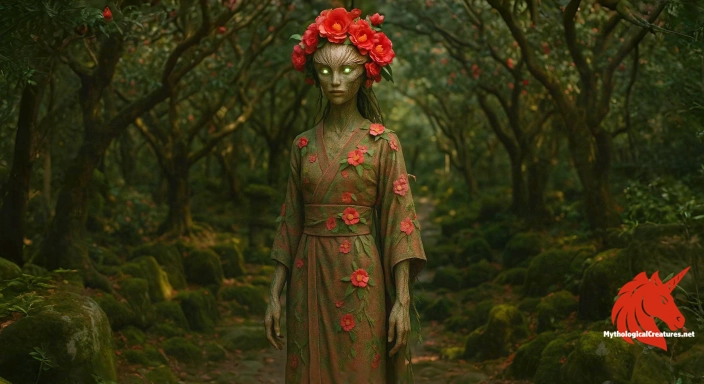
Furutsubaki-no-rei
Furutsubaki-no-rei - Represents the timeless connection between nature and the supernatural in Japanese culture.
the legend in five swipes.
the legend in five swipes.
The Beginnings of the Furutsubaki-no-rei
The Furutsubaki-no-rei is a mysterious yōkai that emerges from the ancient camellia trees, embodying the timeless spirit of nature in Japanese folklore. Its very name, meaning 'old camellia spirit,' reflects a deep connection with venerable trees that have witnessed countless seasons. Local legends speak of this entity with both reverence and a hint of trepidation, as it is believed to be a guardian of the natural world as well as a harbinger of change. Over time, the creature has come to symbolise the merging of the physical and the spiritual, with its origins rooted in the interplay of natural magic and human belief. Villagers in secluded regions have long passed down tales of eerie encounters and miraculous events attributed to the spirit, lending it a mysterious aura. The reverence for camellia trees in Japan lends further cultural significance to the creature, linking it to broader themes of beauty and impermanence. Although its earliest attestations are sparse, the Furutsubaki-no-rei has firmly established itself in the collective imagination as a force that embodies both decay and rebirth. Its legacy is interwoven with the cycles of nature and the enduring respect for ancient arboreal life.
Furutsubaki-no-rei: Variants Across the Sources
Ancient records and regional folklore provide fragmented glimpses into the origins of the Furutsubaki-no-rei. While early texts do not always grant it a detailed account, oral traditions have enriched its narrative over centuries. Local manuscripts and folk songs hint at mysterious manifestations near ageing camellia groves, where the spirit would either bless or warn unwary travellers. Variants of the tale often depict it as an entity capable of both benevolence and mischief, with some accounts suggesting that it bestows fortune, while others caution against disturbing its domain. The Edo period saw its presence echoed in compilations of yōkai, where shadowy sketches capture its elusive form. Some regional texts even blend its narrative with that of other tree and nature spirits, creating layers of intertwined myth. Diverse story variants emphasise its connection to the natural cycles and the sacred role of the camellia in Japanese culture. As modern anthologies of yōkai continue to flourish, reinterpretations have further expanded the lore, displaying a rich tapestry of cross-generational storytelling. These multiple sources, whether written or orally transmitted, contribute to a multilayered myth that thrives on its very ambiguity and adaptability.
Furutsubaki-no-rei: Powers, Strengths and Vulnerabilities
The physical manifestations of the Furutsubaki-no-rei are as varied as the folklore that surrounds it. Artistic depictions often merge human-like features with elements drawn directly from the camellia tree, such as delicate blossoms interwoven with flowing, vine-like hair. The spirit’s skin is sometimes rendered with a texture resembling rugged, ancient bark, evoking both vitality and decay. Luminous eyes and subtle, petal-like markings add to its ethereal allure, casting an enigmatic glow in dimly lit groves. In some portrayals, it appears as a slight, almost human figure, while other narratives envisage an imposing, tree-like apparition that towers over the landscape. Its limbs, whether slender or gnarled, seem to sway as if moved by an eternal breeze, highlighting its connection to the wind and the rhythm of nature. There are accounts of intricate patterns that mimic the unfurling of camellia petals across its form, symbolising both fragility and strength. The continual interplay between natural elements and spiritual essence ensures that every representation captures a transient beauty, as if the creature exists only at the boundary between myth and reality.
The Local Faces of the Furutsubaki-no-rei
Regional interpretations of the Furutsubaki-no-rei offer a fascinating insight into how local culture shapes myth. In some parts of Japan, particularly within rural areas of the Kansai region, the spirit is venerated as a protective force presiding over sacred groves of ancient camellias. In contrast, communities in the Tohoku region portray the entity with a more spectral and somber demeanour, serving as a gentle warning of nature’s unpredictable power. Coastal regions along the Seto Inland Sea sometimes blend its myth with seafaring superstitions, attributing to it a role in signalling the changing moods of both land and sea. Mountain villages, too, have their own unique renditions, where ritual offerings at camellia groves are believed to appease not only the Furutsubaki-no-rei but also myriad local deities. These diverse regional variations highlight how environmental and cultural contexts influence the spirit’s character and function. Whether depicted as a benign guardian or a mysterious omen, the entity adapts fluidly to the local reverence for nature. This adaptability ensures that its myth remains dynamic and resonant across Japan’s varied landscapes and communities.
The Global Cousins of the Furutsubaki-no-rei
The lore of the Furutsubaki-no-rei resonates with a broader global fascination for nature spirits, establishing intriguing parallels with similar entities in various mythological traditions. Much like the Greek dryads and the indigenous kodama of Japan, this spirit embodies a harmonious blend of the natural and supernatural realms. Both the Furutsubaki-no-rei and its counterparts serve as reminders of the sacredness of trees and the interdependence between humanity and nature. Unlike some culture-specific deities, however, its narrative invites a universal narrative of reverence for the organic world. Artistic interpretations of similar spirits around the world emphasise graceful transformations and a mystical presence, a trait that the Furutsubaki-no-rei shares. Comparative examinations reveal that while cultural details may differ—from the gentle guardianship of forest spirits in European folklore to the more ambiguous nature of East Asian yōkai—the underlying respect for natural history remains consistent. This convergence highlights a common human impulse to personify nature's enduring and enigmatic forces. In every tradition, the blending of beauty and a tinge of foreboding encourages a meditative appreciation of life’s fleeting yet profound moments.
Why is the Furutsubaki-no-rei still popular?
Over the centuries, the Furutsubaki-no-rei has evolved from a locally whispered legend into a symbol rich with cultural and environmental significance. Early depictions rooted in rural superstition have given way to nuanced portrayals that underscore themes of conservation and the passage of time. As modern media increasingly embraces elements of traditional folklore, this ancient camellia spirit has found new life in anime, manga, and digital illustrations that celebrate its haunting beauty. Contemporary narratives often cast it as a guardian of natural heritage, embodying both the resilience of ancient traditions and the poignant loss of natural spaces in a modernised world. Its enduring imagery serves as a bridge linking Japan’s historical reverence for nature with present-day ecological awareness. Festival celebrations and art exhibitions continue to invoke its presence as a gentle reminder of the need to preserve the sanctity of the natural landscape. The transformation of its image illustrates a wider cultural shift, where ancient myths are repurposed to address modern societal concerns. Ultimately, the Furutsubaki-no-rei remains a compelling figure, one that honours the past while inspiring dialogue about the future of our natural world.
Interesting Fact
The Furutsubaki-no-rei is not only a guardian of camellia groves but also a symbol of the deep reverence and respect for nature found in Japanese tradition.
Mythological Treasures
Japanese Yokai: A field guide to the spirits and demons of Japanese folklore
Fifteen spirits, with the signs to watch for and what the old tales say to do if you meet one.
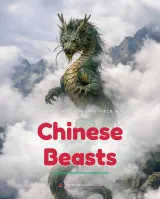
Chinese Beasts: A field guide to the dragons and demon kings of Chinese myth
From river dragons to demon kings, with the legends that shaped five thousand years of storytelling.
Greek Myths: A field guide to the monsters of ancient Greece
Every monster here earned its place in legend, and each gets a full page of artwork and the story behind it.
the legend in five swipes.
Limited sponsor opportunity
One slot, carefully chosen partners
We only feature a small number of relevant sponsors at any time. If you create serious myth content, we would like to hear from you.
Partner with usQuick Creature Info
Features:
Associations:
Our Mythic Legendary Rating:

Also Sometimes Known As:
Habitat:
Supernatural Powers:
Physical Attributes:
Abilities:
Behavior:
Lore:
References
Discover Another Mythical Legend You May Not Have Heard Of?
Uncover the mysteries of ancient folklore and expand your knowledge of legendary beings from cultures around the world.
Dare to Meet the Chakora....
-8eb3d688-a208-4463-abb6-afa5c1589e8f_small.webp "Depiction of Chakora")
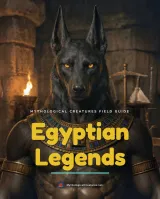
The Mythological Creatures Book Series
Yokai, Greek, Norse, Egyptian & Chinese. Five illustrated field guides to the creatures the old stories either warned or told you about.
Curated by the Mythological Creatures Team
Series editor: Mythological Creatures Directory
Primary desk: Asian & Pacific Myth Cycles Desk
(rev. November 2025)