
Fylgja: The fylgja is a supernatural spirit from Norse mythology that accompanies individuals and is intrinsically linked to their fate.
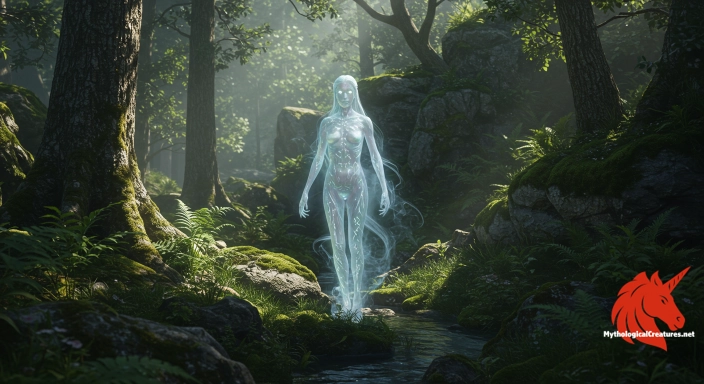
Fylgja
Fylgja - Represents the inextricable link between an individual's life and their destined fortune, serving as an omen and spiritual guide.
Origins & First Encounters
Fylgja in Norse mythology encapsulates a complex interplay between the tangible and the spectral, arising from ancient beliefs that wove fate into the fabric of everyday life. They are considered supernatural entities that accompany individuals, functioning as spiritual extensions of one’s destiny. Rooted in tales passed down through generations, these beings often appear as both protectors and harbingers of transformation. Their presence is deeply intertwined with notions of predetermined fate, reflecting the inner qualities of the individual they accompany. Early attestations of the fylgja emerge in medieval sagas where their subtle interventions are described with both wonder and caution. The mysterious nature of these spirits lends them an enduring allure, as they bridge the gap between the mortal and the divine. Their appearances in myth serve to remind us that life and destiny are profoundly connected. This guardian spirit not only mirrors personal traits but also foretells significant turning points in a person’s life. The folklore surrounding the fylgja offers a window into the Norse understanding of destiny as an ever-present, guiding force. Ultimately, the figure of the fylgja represents a timeless emblem of the interwoven nature of life, fate, and the supernatural.
Source Texts & Tale Variants
Ancient texts such as the Poetic and Prose Eddas offer some of the earliest glimpses of the fylgja, integrating these enigmatic entities into the wider Norse mythological framework. Narrative sagas recount instances in which individuals encounter these spirits during pivotal moments, whether in the quiet of sleep or in the heat of battle. Diverse story versions illustrate the fylgja emerging as a dream-woman or as a disembodied presence that foreshadows both fortune and adversity. Some accounts suggest that the form taken by a fylgja is directly influenced by the nature and destiny of their host, adding layers of personal significance. Variants in the lore sometimes depict the spirit as a protector, while in other tales it appears as an ominous warning to its bearer. Oral traditions further embellished these literary sources by interweaving local beliefs and ritual symbolism. The multifaceted portrayals found in these texts underscore the ambiguity and complexity of the fylgja. As the narratives evolved over the centuries, both the roles and appearances of these spirits diversified considerably. In many respects, the primary sources offer a fragmented yet compelling vision of a world where fate and the spiritual realm are inextricably linked. This kaleidoscope of accounts continues to intrigue scholars and enthusiasts of myth alike.
Form & Powers
The physical manifestations of the fylgja are rendered with an ethereal quality that defies simple categorisation. In some depictions, they appear as graceful dream-women whose features exude both unearthly beauty and an air of mystery. Other accounts present them in the guise of animals, such as wolves, stags, or bears, each shape imbued with symbolic resonance. Their forms are fluid and mutable, often shifting in accordance with the inner life or destiny of their host. Observers in the sagas have noted a luminous, almost otherworldly glow that trails their presence, hinting at a realm beyond mortal perception. Detailed descriptions reveal that their eyes seem to hold a mirror to the soul, reflecting the hidden depths of emotion and fate. The variations in size and detail within these narratives suggest that the fylgja adapts its physical embodiment to suit the character of the individual it shadows. The interplay between soft, human-like features and fierce animalistic traits further emphasises their dual role as both comforting guardians and foreboding omens. These intricate visual details serve not only as a record of supernatural phenomena but also as a metaphor for the complex nature of fate. Ultimately, the vivid imagery found in these accounts enriches our understanding of how the fylgja has been envisioned through time.
Regional Faces
Interpretations of the fylgja reveal fascinating regional nuances across the Norse world. In Iceland, for example, these spirits are often envisaged as gentle, protective entities that emerge in tandem with significant life events. Scandinavian traditions sometimes offer a more ominous portrayal, in which the fylgja serves as a portent of both triumph and calamity. Local lore frequently adapts the appearance of the spirit to reflect environmental and cultural influences, ranging from ethereal human forms to symbolic animal shapes. Among coastal communities, the fylgja might be interwoven with maritime myths, reinforcing associations with the unpredictable nature of the sea. Folklore in various regions has developed unique traditions regarding these beings, enriching the core myth with local colour and divergent narrative details. Such regional variations underline the adaptable nature of the myth, allowing the fylgja to serve multiple symbolic functions. The interplay of local customs with the overarching myth provides a compelling study of how ancient symbols can be reinterpreted over time. These diverse regional accounts collectively highlight the enduring appeal and transformative power of the fylgja across different communities. In essence, the regional adaptations of the myth underscore the spirit’s ability to reflect both a shared cultural heritage and local individualities.
Cultural Parallels
The fylgja finds intriguing parallels with spirit entities and guardian apparitions in other cultural traditions, revealing a shared human fascination with the spectral double. Comparable figures can be seen in Celtic lore with the concept of the fetch, which like the fylgja, serves as a mirror to one’s inner fate. Similar ideas of a destined companion or doppelgänger appear in Slavic and Eastern European mythologies, where they are imbued with a dual sense of protection and impending doom. These cross-cultural connections enhance the uniqueness of the fylgja, highlighting similarities in how disparate cultures conceptualise personal destiny. While guardian angels in other traditions frequently embody purely benevolent qualities, the fylgja is distinct in its capacity to be both nurturing and portentous. This dual nature reflects a more nuanced understanding of fate, one that acknowledges the interplay of both fortune and misfortune. Comparative analysis reveals that such figures often serve as metaphors for the invisible forces that shape a person’s life path. The recurrence of these motifs underscores a universal theme: the presence of a hidden, often ambivalent, companion that accompanies human endeavour. Through these cultural parallels, the fylgja emerges not only as a stand-alone mythic figure but also as part of a broader dialogue about destiny in world mythology. In exploring these similarities, one gains a deeper appreciation for the multifaceted ways in which humans seek to understand their connection to the unseen world.
Legacy & Modern Evolution
The portrayal of the fylgja has undergone significant transformation, reflecting the evolution of both mythic narrative and cultural sensibilities. In early medieval accounts, the fylgja was often depicted as a literal, shadowy presence whose manifestation portended imminent change. Over time, the figure evolved into a more symbolic representation of an individual’s innermost self and the inexorable nature of fate. Contemporary interpretations frequently imbue the fylgja with psychological depth, recognising it as an allegory for personal growth and inner struggles. Modern literature and visual arts have reimagined this spirit in diverse forms, ranging from mysterious guardians in fantasy tales to emblematic figures in graphic novels. This evolution mirrors broader cultural trends in reinterpreting ancient myths to align with modern existential and emotional landscapes. Popular media, including films and video games, often incorporate the fylgja as a motif to explore themes of destiny, self-realisation, and the interplay between light and shadow. The enduring legacy of the fylgja lies in its ability to adapt and transform while retaining its core connection to fate and personal identity. Contemporary audiences continue to be captivated by its rich symbolism and the timeless mystery it represents. In this way, the fylgja endures as both an ancient myth and a modern metaphor for the complex layers of human destiny.
Interesting Fact
The concept of the fylgja not only illustrates the Norse emphasis on destiny but also highlights the belief in a personal, ever-present spirit that mirrors an individual’s inner life and future.
For myth educators and toolmakers
Built a resource for mythology learners?
If you offer courses, teaching tools, or research platforms focused on myth and folklore, consider a discrete placement on our reference pages.
Introduce your resourceQuick Creature Info
Origin:
Features:
Our Mythic Legendary Rating:

Also Sometimes Known As:
Habitat:
Supernatural Powers:
Physical Attributes:
Abilities:
Behavior:
Lore:
Related Creatures, Tales or Lore
- HHamingja
- DDoppelgänger
- FFetch
References
Discover Another Mythical Legend You May Not Have Heard Of?
Uncover the mysteries of ancient folklore and expand your knowledge of legendary beings from cultures around the world.
Dare to Meet the Akabeko....
Curated by the Mythological Creatures Team
Series editor: Mythological Creatures Directory
Primary desk: Northern & European Folklore Desk
(rev. November 2025)