
Akabeko: Akabeko is a legendary red cow from Japan's Aizu region, celebrated for its cultural significance and protective symbolism.
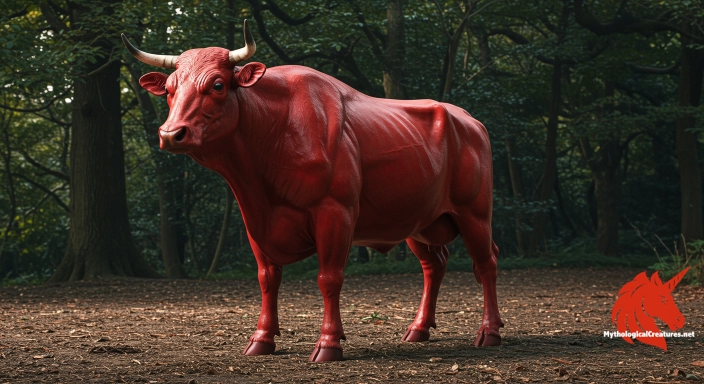
Akabeko
Akabeko - Akabeko is celebrated both as a protective talisman believed to ward off illnesses and as an enduring symbol of regional identity in Fukushima and the broader Tōhoku area.
Origins & First Encounters
The legend of Akabeko radiates an enchanting blend of mysticism and cultural vitality in the heart of Japan. Originating in the Aizu region, its story intertwines historical anecdote with mythic wonder. The remarkable tale speaks of a striking red bovine that was present during the erection of the Enzō-ji temple in the ninth century, leaving an indelible mark on local memory. Its appearance amidst the temple’s construction imbued the landscape with a sense of divine presence. Some narratives even recall that the cow was transformed into stone, solidifying its eternal mystique. The vibrant red hue of the creature symbolises both protection and passion, resonating deeply with the regional identity. The myth has naturally evolved over centuries into a cherished symbol integrated into daily life and local craft. Emblematic of both resilience and the playful spirit of the community, Akabeko continues to captivate hearts. Its enduring cultural presence offers a rare glimpse into the synthesis of spirituality and art in traditional Japan.
Source Texts & Tale Variants
Ancient temple records and local chronicles contain the earliest fragments of Akabeko’s narrative, offering tantalising glimpses into its mystical origins. Oral traditions, passed down through generations in rural Aizu villages, provide a rich tapestry of stories that embellish the cow’s role in sacred ceremonies. Various renditions recount its miraculous appearance during the construction of the Enzō-ji temple, each adding layers of symbolic meaning. Manuscripts from later periods capture the creature’s evolution from a revered temple guardian to a popular folk symbol. Village storytellers have enriched the narrative with imaginative details, such as the cow’s purported ability to ward off dangerous illnesses. Artistic expressions in local festivals have further cemented its image, with performances that celebrate its quirky, protective nature. Multiple story variants highlight its red colouring as an emblem of energy and good fortune. The divergence in these narratives mirrors the dynamic interplay between documented history and vibrant communal memory. Together, these sources combine to form a multifaceted portrayal that underscores both revered tradition and creative reinterpretation.
Form & Powers
The physical representation of Akabeko is as intriguing as its legend, showcasing a dynamic blend of simplicity and expressive detail. Traditionally, the toy is crafted in two distinct parts, with one segment representing the head and neck and the other the body, each carved from wood. The entire piece is adorned with a striking red finish, which is achieved through careful hand-painting and the application of papier-mâché. The head, suspended from a string, is designed to bob up and down, lending the toy a lively, almost animated quality. Its facial features, though minimalistic, convey a gentle countenance that hints at a benevolent spirit. The body, hollow and robust, complements the head with a design that is both rustic and charmingly elaborate. Artisans have experimented with subtle variations in size and detail over time, resulting in a collection of pieces that remain recognisable yet distinct. The surface texture is smooth, allowing the vibrant pigment to shine through with a mellow matte finish. Overall, the design encapsulates an ideal balance between artistic simplicity and the evocative power of traditional craftsmanship.
Regional Faces
Across different areas of Japan, the depiction of Akabeko exhibits a delightful range of regional nuances while retaining its unmistakable red cow essence. In Fukushima Prefecture, where the craft is highly celebrated, the toy is often enhanced with intricate decorative patterns that highlight local aesthetic values and historical pride. In its native Aizu region, the style tends to be more rustic, evoking an older, almost ancient tradition that connects directly with the roots of the legend. The wider Tōhoku area has embraced variations that incorporate additional local motifs, sometimes adding details that refer to seasonal festivals or regional folklore. Artisans in neighbouring communities often experiment with subtle shifts in shape and posture, reflecting the local cultural identity and storytelling heritage. During regional celebrations, unique incarnations of the toy are sometimes displayed in public processions, underscoring its importance as a community emblem. Variations in size, finish, and even the manner in which the head is attached point to a flexible tradition that adapts to regional tastes. Each local iteration is a testament to a distinct cultural narrative while simultaneously contributing to the overarching myth. Thus, Akabeko serves as a living example of how a single symbol can evolve in myriad local forms while preserving its core significance.
Cultural Parallels
The revered motif of a red, protective bovine finds echoes in the mythologies of diverse cultures, resonating with universal themes of luck and guardianship. Similar to the sacred cow Kamadhenu in Hindu lore, Akabeko embodies qualities of abundance, fertility, and spiritual blessing. Its role as a charm against misfortune parallels the function of protective talismans found in various cultural traditions, where animal figures symbolically combat harmful forces. The simplistic yet captivating design of Akabeko also bears a resemblance to East Asian lucky figures such as the maneki-neko, each offering a blend of folklore and art to inspire positive outcomes. Much like the playful representations of the tanuki in Japanese culture, it captures a dual nature of whimsy and underlying mysticism. Comparative symbolism can further be observed in some European folk depictions of cattle, where the animal is revered for its nurturing qualities and its role in community sustenance. Such cross-cultural comparisons reveal a shared human inclination to personify nature’s abundance and to seek protection through crafted icons. The interplay of colour, form, and the story imbued within each figure underscores a universal narrative that transcends cultural boundaries. Together, these parallels highlight how Akabeko joins a broader tapestry of mythological creatures that simultaneously celebrate life and ward off adversity.
Legacy & Modern Evolution
The evolution of Akabeko from a temple-associated legend into a widely cherished folk craft reflects a dynamic interplay of history, art, and societal change. Initially recorded in the context of a sacred temple environment in the ninth century, its transformation into a handcrafted toy marked a pivotal shift from religious icon to cultural artefact. Over the centuries, the whimsical design has been continuously refined by local craftsmen who imbued each piece with both traditional motifs and creative innovation. The association of the toy with protection against illnesses, such as smallpox, further enriched its significance among local communities. In modern times, Akabeko not only serves as a proud emblem of regional identity in Fukushima and the broader Tōhoku area but also acts as a symbol of resilience and joyful optimism. Contemporary celebrations and festivals frequently feature the toy, thereby reinforcing its status as a cultural ambassador. Designers and artists have also embraced its legacy by reinterpreting its form in ways that resonate with modern sensibilities while honouring its venerable past. The continued popularity of Akabeko underlines its deep-rooted connection with community heritage and creative expression. In this way, the enduring spirit of the red cow bridges ancient myth with contemporary cultural pride, ensuring that its legacy remains both vibrant and relevant.
Interesting Fact
The Akabeko toy not only embodies an ancient legend but also functions as a practical talisman, illustrating how traditional beliefs can merge with everyday life to inspire hope and resilience.
For authors, artists, and makers
Created something from the realm of myth?
If your book, deck, game, or artwork draws from legendary creatures and lore, you can showcase it here in a tasteful, year-round placement.
Share your projectQuick Creature Info
Features:
Associations:
Our Mythic Legendary Rating:

Also Sometimes Known As:
Habitat:
Supernatural Powers:
Physical Attributes:
Abilities:
Behavior:
Lore:
References
Discover Another Mythical Legend You May Not Have Heard Of?
Uncover the mysteries of ancient folklore and expand your knowledge of legendary beings from cultures around the world.
Dare to Meet the Asbolus....

Curated by the Mythological Creatures Team
Series editor: Mythological Creatures Directory
Primary desk: Asian & Pacific Myth Cycles Desk
(rev. November 2025)