
Ghoul: The ghoul is a demon-like, monstrous humanoid from pre-Islamic Arabian folklore.
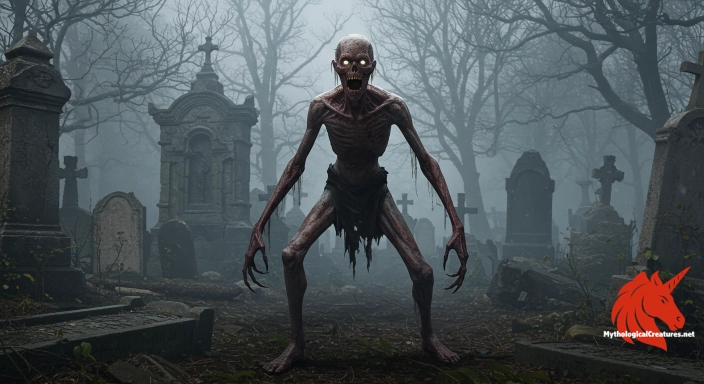
Ghoul
Ghoul - Represents the taboo of death and decay, and the fear of what lies beyond the grave
the legend in five swipes.
the legend in five swipes.
The Origin Story of the Ghoul
This enigmatic creature has long stirred the imaginations of those who explore the darker corridors of myth and legend. Emerging from pre-Islamic Arabian tradition, the ghoul has evolved into a symbol of macabre horror, shrouded in mystery and foreboding. Its origins are deeply intertwined with the ancient belief in supernatural forces that exist on the fringes of life and death. The unsettling nature of the ghoul lies in its role as a harbinger of decay, haunting graveyards and deserted landscapes in folklore. Many accounts speak of a being whose presence corrupts the very air around it, evoking dread in the hearts of those who dare to wander near its lair. Its depiction as a monstrous humanoid with a taste for human flesh has made it a timeless embodiment of unnatural appetites and taboo transgressions. As a mythic figure, the ghoul reflects cultural anxieties about mortality and the uncharted territories beyond the known world. Over centuries, its image has been continually reshaped, merging the ancient with the contemporary, thereby ensuring its persistent allure in both traditional and modern narratives.
How many versions of the Ghoul story are there?
Ancient narratives trace the ghoul back to oral traditions from pre-Islamic Arabia, long before it was recorded in writing. Found in various early texts and medieval compilations of supernatural lore, the ghoul was recounted as a sinister presence in tales meant to both entertain and instruct. Some stories cast it as a solitary desert demon, while others placed it within the eerie confines of graveyards. A variety of folklore sources have preserved divergent versions that oscillate between a cunning charlatan and a relentless, malevolent predator. Over time, these narratives not only enriched the creature’s mythos but also served as cautionary tales against delving too deeply into forbidden realms. Diverse regional manuscripts and lesser-known legends contributed to a mosaic of attributes that continue to shape its character. Early storytellers used the ghoul to symbolise a host of societal fears, ranging from the disruption of natural order to moral decay. Even as modern compilations have distilled these elements into a more standardised monster, the original variants provide a fascinating insight into the creature’s multifaceted origins.
How would you recognise the Ghoul?
Visually, the ghoul is depicted as a being whose appearance is as unsettling as the spaces it inhabits. Its skeletal frame and lean, almost emaciated form give it a gaunt, animalistic look that provokes both fear and revulsion. Tales often describe it with pallid, mottled skin that seems to pulse with the decay of its unholy sustenance. In many accounts, its eyes burn with a dim, eerie luminescence, hinting at an existence that blurs the lines between life and death. The creature’s jagged features, including coarse hair and discoloured flesh, suggest a corruption that undermines any vestige of human charm. Some legends portray the ghoul with elongated limbs and clawed hands, underscoring its predatory nature. Variations in its depiction—ranging from grotesquely oversized to disturbingly slight—reflect the flexible symbolism underlying its myth. The physical manifestation of the ghoul is not static but adapts, echoing the innate fear of the unknown and the unnatural transformation of once-living beings.
How does the Ghoul legend change from place to place?
Across different cultures, the ghoul has been reshaped to reflect local beliefs and environmental settings. In its Middle Eastern origins, it is often linked to forbidding deserts and isolated graveyards, where the isolation of the landscape mirrors its sinister character. In North Africa, its image sometimes fuses with pre-Islamic deities and spirits, creating unique hybrids that embody both punishment and despair. European adaptations of the ghoul emerged during the Gothic era, where it was reimagined as a spectral creature haunting the forgotten corners of ancient cemeteries. In some South Asian traditions, echoes of the ghoul can be found in tales of wandering spirits, whose eerie presence is as much a metaphor for societal transgression as it is a literal threat. Each region imbues the creature with distinct characteristics, whether through subtle shifts in appearance or alterations in its narrative purpose. The local climate, cultural taboos, and historical contexts have all contributed to a rich tapestry of ghoul variants. Despite these differences, the universal themes of death, decay, and the subversion of natural order remain at the core of its myth.
Ghoul: Related Figures Across Cultures
When placed alongside other mythological beings, the ghoul occupies a unique niche that bridges various cultural representations of the macabre. Similar to the North American Wendigo, its depiction as a flesh-eating entity resonates with widespread fears of cannibalism and the desecration of the dead. European folklore offers its own comparisons through figures like the vampire and the zombie—each a nightmarish blend of humanity and the supernatural. In several Asian traditions, spectral entities known as bhoot share that unsettling ability to blur the boundaries between life and the afterlife, much like the ghoul. The creature’s dual nature, as both a literal consumer of human flesh and a symbol of moral decay, links it with numerous cautionary figures in myth. Many cultures have used such beings to manifest the anxieties stemming from the inescapable proximity of death and the degradation of societal norms. Its physical and behavioural traits are frequently invoked as metaphors for the consequences of straying from accepted cultural mores. This comparative perspective affirms that the ghoul is not merely an isolated construct but part of a global tapestry of legends that articulate shared, enduring human fears.
Ghoul in Modern Culture
A long and fascinating evolution has secured the ghoul a lasting position in both ancient lore and modern popular culture. Initially conceived as a fearsome demon in grim, oral traditions, its image underwent significant transformation through centuries of reinterpretation. The medieval period expanded its narrative to include moral and societal warnings about the perils of disturbing the dead. Later, during the rise of Gothic literature and Romantic art, a more nuanced and often tragic portrayal began to emerge. In contemporary horror films, novels, and video games, the ghoul is frequently reimagined as a multi-layered monster, sometimes even bordering on the antihero. Its legacy as a harbinger of death and decay remains potent, captivating the curious and the brave alike. Modern adaptations tend to blend classical elements with current societal fears, resulting in depictions that are simultaneously nostalgic and refreshingly modern. The ghoul continues to serve as a versatile symbol in creative works, embodying both primitive terror and a sophisticated commentary on the fragility of human existence. This enduring versatility ensures that the ghoul will remain an influential presence in our cultural imagination for years to come.
Interesting Fact
The modern usage of the term 'ghoul' has evolved to also describe people who are morbidly fascinated with death, highlighting its profound cultural impact.
Mythological Treasures
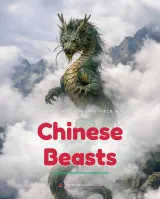
Chinese Beasts: A field guide to the dragons and demon kings of Chinese myth
From river dragons to demon kings, with the legends that shaped five thousand years of storytelling.
Japanese Yokai: A field guide to the spirits and demons of Japanese folklore
Fifteen spirits, with the signs to watch for and what the old tales say to do if you meet one.
Greek Myths: A field guide to the monsters of ancient Greece
Every monster here earned its place in legend, and each gets a full page of artwork and the story behind it.
the legend in five swipes.
For serious myth projects
Feature your work alongside the legends
From academic works to story-rich games, we highlight projects that respect world mythologies. Talk to us about a measured, long-term placement.
Start a conversationQuick Creature Info
Origin:
Features:
Our Mythic Legendary Rating:

Also Sometimes Known As:
Habitat:
Supernatural Powers:
Physical Attributes:
Abilities:
Behavior:
Weaknesses:
Lore:
Related Creatures, Tales or Lore
- DDraugr
- WWight
- GGhast
References
Discover Another Mythical Legend You May Not Have Heard Of?
Uncover the mysteries of ancient folklore and expand your knowledge of legendary beings from cultures around the world.
Dare to Meet the Şüräle....

The Mythological Creatures Book Series
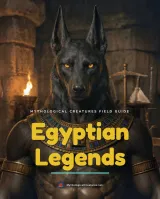
Yokai, Greek, Norse, Egyptian & Chinese. Five illustrated field guides to the creatures the old stories either warned or told you about.
Curated by the Mythological Creatures Team
Series editor: Mythological Creatures Directory
Primary desk: Hellenic & Ancient Mediterranean Desk
(rev. November 2025)