
Şüräle: Şuräle is a mischievous forest spirit from Tatar and Bashkir mythology known for his woolly body, long fingers, and a horn on his forehead.

Şüräle
Şüräle - A prominent figure in Turkic mythology, Şuräle embodies the unpredictable and often dangerous forces of nature through his playful yet lethal trickery.
the legend in five swipes.
the legend in five swipes.
The Earliest Known Accounts of Şüräle
Şüräle emerges from the rich tapestry of Turkic mythology as a beguiling forest spirit whose legend has been preserved through centuries of Tatar and Bashkir oral tradition. His origins stretch back to a time when nature was deeply interwoven with the supernatural, and early accounts capture a mysterious presence that embodied both playfulness and peril. Believed to have first been attested in regional folklore, his narrative reflects the intricate relationship communities held with the storied woodlands. Tales of his misadventures not only entertain but also serve as symbolic warnings about venturing too boldly into nature’s unpredictable realms. The character of Şüräle, adorned with extraordinary features and whimsical traits, has always been at the crossroads of fear and fascination. Artists and storytellers have long been drawn to his enigmatic persona, which resonates with both youthful mischief and age-old admonition. His myth is interlaced with elements of shamanism and animism, illustrating how early cultures sought to personify the forces of the natural world. Over time, Şüräle has grown to represent a living reminder of humanity’s eternal dialogue with the untamed wilderness.
Which versions of the Şüräle story survive?
Many of the primary sources recounting the exploits of Şüräle have been passed down orally, with later transcriptions appearing in folk compilations and regional manuscripts. The creature’s narrative is primarily drawn from the rich oral traditions of the Tatars and Bashkirs, where its tales were interwoven with the moral and mystical fabric of everyday life. Some accounts also emerge from the wider Turkic milieu, capturing the subtle differences in how he is portrayed among diverse communities. Early storytellers imbued his character with a blend of mischief and awe, often using him both as a trickster figure and as a cautionary emblem of nature’s mysteries. Beyond the core Tatar and Bashkir texts, similar manifestations of the spirit appear in neighbouring traditions, which have been documented in folklore anthologies of the region. Variants of his story have also been noted in narratives collected from Siberian Tatars and the Ural belt, where minor details may shift to align with local cultural beliefs. These recorded traditions provide a patchwork of insights that reveal how the creature evolved over time as it passed from one generation to the next. The enduring presence of Şüräle in literature underscores the importance of preserving these folklore traditions as windows into the ancient worldview of the Turkic peoples.
The Described Form of Şüräle
The physical depiction of Şüräle is as distinctive as it is symbolic, featuring a combination of unusual anatomical traits that set him apart from ordinary beings. His body is often described as being covered in thick, woolly hair that lends him an almost beastly, yet curiously endearing appearance. A single horn, prominently positioned on his forehead, adds to his otherworldly aura and hints at his connection to ancient magical rites. His long, spindly fingers are not merely physical oddities but are emblematic of his ability to both beguile and manipulate. Some illustrations suggest that his limbs have a flexible, almost serpentine quality, which complements his enigmatic character. There exists a notable variation in how artists portray his size, with some accounts rendering him diminutive and elusive, while others imagine him as larger than life, dominating the woodland scenes. The intricate mingling of human and animalistic features in his form reinforces the idea that he is a bridge between the natural and supernatural realms. Every detail, from the curvature of his horn to the texture of his coat, carries deep symbolic weight that has captivated the imagination of craftsmen and storytellers alike.
Şüräle: Local Variations in the Story
Across the diverse landscapes of the Turkic world, the figure of Şüräle takes on multiple regional nuances that reflect local cultural and environmental influences. In Tatar folklore, he is often portrayed as a whimsical yet unpredictable guardian of the forest, whose appearances can both charm and confound unwary travellers. Bashkir traditions, on the other hand, sometimes cast him in a more ambivalent light, blending traits of benevolence with subtle hints of malevolence. In neighbouring cultures, particularly among the Chuvash people, a similar entity known as Arçuri presents parallel characteristics, though often without some of his more extreme eccentricities. Within the Siberian Tatar communities, the spirit is known by names such as Pitsen, where his image is tailored to local narratives and environmental conditions. The Ural region’s Yarımtıq, while echoing many of Şüräle’s features, integrates additional layers of symbolism drawn from regional folklore and ritualistic practices. These variations highlight the adaptability of his legend, as each group moulds the figure to reflect its unique relationship with nature. Ultimately, the regional adaptations of Şüräle underscore the dynamic interplay between a shared mythological heritage and the distinct voices of local tradition.
Which figures are similar to Şüräle?
A comparative exploration of Şüräle reveals intriguing similarities with other mythological beings that embody nature’s capriciousness. His playful cruelty and eerie physicality find echoes in the legends of European folk creatures, where forest spirits often serve as both protectors and tricksters. The Green Man, for example, shares a connection to the natural world that is expressed through a verdant, mysterious visage, while Şüräle’s woolly form and horn evoke a similarly ancient symbolism. Additionally, figures from Slavic and Siberian narratives display elements of duality — at times benevolent and at other times threatening — much like Şüräle’s own multifaceted character. Such parallels extend to the broader archetype of the trickster, whose mischievous escapades challenge societal norms and invite reflection on the unpredictability of nature. His role as a mediator between the human and the wild carries a universal appeal that bridges diverse cultures and mythologies. In contrasting and comparing these beings, one observes that despite regional disparities, these creatures collectively underscore humanity’s enduring need to understand and personify the forces of the natural world. Thus, Şüräle’s myth resonates far beyond his immediate cultural context, serving as a testament to the shared human fascination with the mysteries of the forest.
What happened to the legend of Şüräle?
Over the centuries, the myth of Şüräle has evolved from a mere cautionary tale into a revered symbol of the untamed wilderness. The spirit’s portrayal has shifted from one of raw, natural danger to a more nuanced character embodying both mirth and moral ambiguity. Modern interpretations frequently reimagine his tickling prowess and eccentric appearance, incorporating them into artistic and literary expressions that blend humour with a sense of wonder. Contemporary writers, artists, and filmmakers have drawn upon his enduring legend to craft narratives that explore themes of environmental stewardship and the mysterious allure of nature. His image has been adapted into various media, ensuring that his myth continues to capture the imagination of new generations. In cultural festivals and artistic expositions in regions with a strong Turkic heritage, Şüräle is celebrated as a bridge between the ancient past and modern creativity. The evolution of his character reflects an ongoing dialogue between tradition and modernity, where age-old folklore is continuously reinterpreted in light of current societal values. Ultimately, the legacy of Şüräle stands as a vibrant reminder of the power of myth to adapt, persist, and inspire, inviting a deeper appreciation for the enigmas hidden within the natural world.
Interesting Fact
One of the most unique aspects of Şuräle's legend is his method of killing by tickling—a fascinating fusion of humour and horror that underscores the capriciousness of trickster spirits.
Mythological Treasures
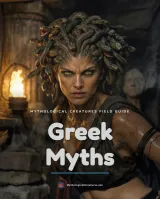
Greek Myths: A field guide to the monsters of ancient Greece
Every monster here earned its place in legend, and each gets a full page of artwork and the story behind it.
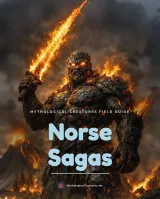
Norse Sagas: A field guide to the beasts of the Viking world
Drawn from the saga accounts themselves, with the powers, weaknesses and doom of each being set out.
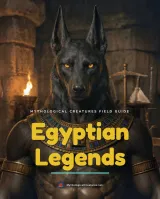
Egyptian Legends: A field guide to the gods and monsters of ancient Egypt
Guardians of the living and devourers of the dead, with the role each played in judgement.
the legend in five swipes.
For publishers and studios
Your next readers are already here
Many of our visitors are looking for books, campaigns, and resources that deepen their journey into myth. Position your title or setting here.
Discuss a placementQuick Creature Info
Origin:
Features:
Associations:
Our Mythic Legendary Rating:

Also Sometimes Known As:
Habitat:
Supernatural Powers:
Physical Attributes:
Abilities:
Behavior:
Lore:
Related Creatures, Tales or Lore
- AArçuri
- PPitsen (Picen)
- YYarımtıq
References
Discover Another Mythical Legend You May Not Have Heard Of?
Uncover the mysteries of ancient folklore and expand your knowledge of legendary beings from cultures around the world.
Dare to Meet the Nanaue....

The Mythological Creatures Book Series
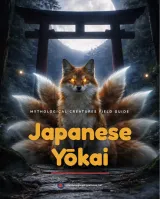
Yokai, Greek, Norse, Egyptian & Chinese. Five illustrated field guides to the creatures the old stories either warned or told you about.
Curated by the Mythological Creatures Team
Series editor: Mythological Creatures Directory
Primary desk: Asian & Pacific Myth Cycles Desk
(rev. November 2025)