
Glaistig: The glaistig is a ghostly figure from Scottish mythology, known for her dual nature as both an enchanting maiden and a fearsome half-goat.
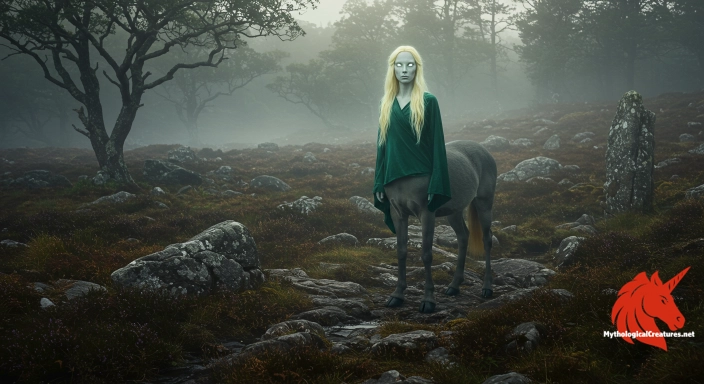
Glaistig
Glaistig - Represents the ambiguous and multifaceted nature of supernatural beings in Scottish folklore
Origins & First Encounters
The glaistig is a captivating figure from Scottish mythology whose presence spans the ethereal realm of ghostly apparitions and the vivid energy of nature. Born from a blend of folklore and the mystical traditions of the Highlands, her origins are interlaced with centuries of oral storytelling. Emerging as one of the fuath, she embodies both charm and an uncanny sense of foreboding. She is also known by the name maighdean uaine or the Green Maiden, a title that hints at her mysterious ties with the natural world. Early attestations of her legend appear in local narratives woven into the fabric of Scotland’s cultural landscape. Her dual nature, oscillating between benevolence and malevolence, reflects the intricate relationship between human society and the untamed forces of nature. Over time, her image has metamorphosed in the stories of reclusive glens and windswept moors, where she is revered and sometimes feared. The allure of her spectral beauty combined with an undercurrent of danger has made her an enduring icon in Scottish lore. Her tale continues to spark the imagination of those seeking to understand the deeper symbolism hidden within ghostly myths. This enigmatic character remains a testament to the rich, ever-evolving narrative traditions that define Scotland’s heritage.
Source Texts & Tale Variants
Ancient manuscripts and collected oral histories have preserved fragments of the glaistig’s tale across various regions of Scotland. Written records are scarce, yet numerous folkloric accounts have passed down her story from generation to generation. Many of these accounts reveal a multifaceted persona, sometimes highlighting her benevolence and at other times her bewitching, perilous nature. Diverse story variants portray her as a transient spirit seen wandering desolate moorlands, while others depict her amidst lively gatherings under the cloak of night. These narratives, captured in local ballads and traveller anecdotes, reflect the inherent contradictions within her character. Early chroniclers often mentioned her in passing, leaving hints that later interpreters would expand into elaborate legends. Some versions of the story emphasise her role as a guardian of untamed landscapes, while others depict her as a harbinger of misfortune. Despite occasional discrepancies in her portrayal, the recurring themes of natural power and supernatural mystery remain prominent. The amalgamation of these sources serves to enrich her myth, ensuring that her legend endures through time. Each variant adds a unique layer to her persona, underscoring the complex interplay of history, myth, and regional identity.
Form & Powers
Descriptions of the glaistig exhibit a fascinating duality that mirrors her complex nature. She is often depicted as a beautiful woman whose spectral features are both enchanting and unnerving. In many accounts, her upper body radiates a ghostly allure, marked by a pale or grey complexion and long, flowing yellow hair that shimmers in the moonlight. Remarkably, her lower half is that of a goat, a detail that aligns her with classical images of fauns or satyrs from ancient myth. This hybrid appearance is frequently cloaked by a long, flowing green robe or dress, serving to obscure her animalistic traits while affirming her connection to verdant nature. Some portrayals even suggest an ever-changing form, where the boundary between her human and beast elements blurs with ethereal grace. The striking contrast between her human beauty and goat-like features evokes a sense of both wonder and trepidation. Each description, whether emphasising elegance or menace, contributes to a broader narrative of liminality. The interplay of light and shadow in her visual portrayal encapsulates the transient boundary between the natural world and the supernatural. Such rich, detailed imagery has made the glaistig a compelling subject of both oral and visual art traditions.
Regional Faces
Regional accounts of the glaistig reveal a diverse tapestry of interpretations that vary across the Scottish landscape. In the rugged Highlands, she is sometimes depicted as a gentle spirit dwelling among ancient forests and misty glens, offering protection to travellers who respect the natural order. In contrast, Lowland traditions occasionally portray her in a more ominous light, suggesting that her presence may forewarn misfortune or ill tidings. On certain islands, local folklore has infused her character with elements of seduction, presenting her as a mysterious woman whose beauty belies an unpredictable nature. Variations in her depiction often include differences in attire, with some communities emphasising her green robe as a symbol of life and rebirth, while others focus on the stark features of her half-goat form. These regional nuances have fostered a multifaceted image that adapts to local customs and environmental narratives. In some remote locales, legends link her appearance to specific natural landmarks, further entwining her myth with the local geography. Reflecting the evolving cultural landscape, her character oscillates between that of a protective guardian and a cautionary figure. Such diversity in regional portrayals underscores the dynamic nature of oral tradition and the way local experiences shape myth. The adaptability and regional colouring of her lore continue to inspire both reverence and a healthy measure of scepticism among communities.
Cultural Parallels
Comparative studies in mythology have drawn intriguing parallels between the glaistig and a range of other hybrid beings from various cultural backgrounds. Her half-woman, half-goat form resonates with classical images of fauns and satyrs known from Greco-Roman lore, where the merging of human sensibilities with animal instincts illustrates nature’s dual forces. Similar to the Irish bean nighe, whose spectral wail warns of imminent death, the glaistig embodies the unpredictable interplay between life and the supernatural realm. This confluence of characteristics is not merely a Scottish phenomenon; rather, it echoes a broader narrative motif found throughout Celtic and European traditions. The symbolism of the colour green associated with her not only underscores her link to nature but also aligns her with a pan-European tradition of verdant spirits and wild entities. By comparing her traits with figures from neighbouring traditions, one can discern shared thematic elements that celebrate the ambiguity of beauty and danger. The duality present in her character challenges strict moral dichotomies, inviting deeper reflection on the role of liminal figures in folklore. Such cross-cultural similarities highlight how diverse communities use hybrid creatures to explain phenomena that lie beyond ordinary understanding. The study of these parallels enriches our perception of the glaistig and positions her as a bridge between distinct mythological narratives. Through these comparisons, her legend attains a universal resonance that transcends regional boundaries.
Legacy & Modern Evolution
Over the centuries, the glaistig has evolved from a remote, feared spirit into a symbol of cultural and artistic revival in modern Scotland. Early tales cast her as an enigmatic force of the natural world, often evoking both awe and trepidation among those who encountered her story. As the documentation of oral traditions increased, her image was adapted by writers and artists seeking to capture the elusive beauty and inherent duality of the supernatural. The nineteenth-century Celtic revival played a significant role in reimagining her as a figure of both mystery and empowerment, blending historical lore with contemporary sensibilities. Today, her legend finds new life in literature and media, inspiring novels, paintings, and films that explore the interface between myth and reality. Modern portrayals frequently highlight her connection to environmental themes, underscoring a timeless message about humanity’s relationship with the wild. Festivals and cultural events in Scotland also occasionally celebrate her as an emblem of the nation’s richly layered mythical heritage. Amid the dynamic shifts of modernity, her myth persists as a bridge to a past where enchantment and nature were inextricably linked. This enduring legacy continues to foster debate, reinterpretation, and a deep sense of wonder among both scholars and enthusiasts. The glaistig remains a compelling figure whose evolving narrative underscores the timeless allure of folklore in shaping contemporary cultural identity.
Interesting Fact
Interestingly, the glaistig blurs the line between the corporeal and the ethereal, embodying both a tangible hybrid form and an elusive ghostly essence, which makes her one of the most enigmatic figures in Scottish mythology.
Curated sponsor space
One subtle banner. Thousands of myth lovers.
We offer a small number of curated sponsor spots for relevant books, courses, games, and art. No clutter, just well-matched partners.
Partner with usQuick Creature Info
Features:
Our Mythic Legendary Rating:

Also Sometimes Known As:
Habitat:
Supernatural Powers:
Physical Attributes:
Abilities:
Behavior:
Lore:
References
Discover Another Mythical Legend You May Not Have Heard Of?
Uncover the mysteries of ancient folklore and expand your knowledge of legendary beings from cultures around the world.
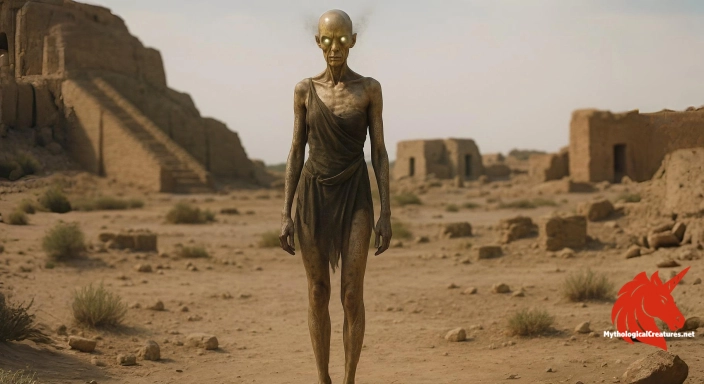
Dare to Meet the Akhkhazu....
Curated by the Mythological Creatures Team
Series editor: Mythological Creatures Directory
Primary desk: Northern & European Folklore Desk
(rev. November 2025)