
Glaucus: Glaucus is a prophetic sea-god from Greek mythology who transformed from a mortal fisherman into an immortal deity.

Glaucus
Glaucus - Glaucus embodies the transformative power of the sea and the blend of mortality with divinity; his intervention in storms highlights his role as a guardian of those who brave the ocean.
Origins & First Encounters
Glaucus emerges as a formidable sea deity whose legend captivates with its blend of human vulnerability and divine transcendence. Born a mortal deeply entwined with the rhythms of the sea, his life was forever transformed when he consumed a magical herb that elevated him to immortality. His transformation is central to his myth, reflecting a profound change that symbolises the possibility of rebirth and renewal. The myth of Glaucus is set against the expansive backdrop of ancient Greek maritime culture, where the sea was both a livelihood and a realm of mystery. His role as a prophetic figure underscores the belief in the inherent power of nature to foretell and influence human destiny. With a name that suggests a shimmering, luminous quality, his presence evokes images of moonlit waters and radiant underwater realms. Many narratives recount his benevolence toward sailors and fishermen, depicting him as a guardian who rescues those lost amidst tempestuous storms. The story of Glaucus is interwoven with the broader traditions of Greek myth, where mortal limitations are transcended through encounters with the divine. His enduring appeal lies in this blend of vulnerability and power, resonating with audiences far beyond his ancient origins. The legend of Glaucus continues to invite reflection on the transformative interplay between human endeavour and the elemental forces of nature.
Source Texts & Tale Variants
Ancient texts and folklore form a mosaic of sources that outline the myth of Glaucus, even though details about his story often differ in emphasis. Early literary fragments, possibly echoed in the works of poets and chroniclers of the classical era, hint at his origins as a seafarer turned deity. Although the specifics are sometimes veiled in poetic language, later compilations and mythological handbooks have cemented his role as a prophetic sea-god. Variations of his tale can be traced through oral traditions in coastal communities, where his interventions during storms were recounted with a lyrical intensity. In some accounts, his divine metamorphosis is portrayed as an almost miraculous rebirth, highlighting the transformational power attributed to nature. There are texts that describe his rescue of naval travellers and distressed fishermen with a blend of compassion and mystic foresight. Certain strands of his myth even intertwine with the stories of other deities, suggesting a family of sea-oriented divinities in the Greek pantheon. The diversity of these sources speaks to the dynamic manner in which myths were adapted to address local cultural and environmental needs. Over time, variations in the narrative emphasised different aspects of his character, from his prophetic insight to his protective guardianship of coastal folk. The layered nature of these sources enriches our understanding of Glaucus as a multifaceted figure whose legend has evolved through centuries of oral and written tradition.
Form & Powers
Glaucus is often depicted with a striking, sinuous form that mirrors the fluidity of the ocean he commands. His appearance is imbued with an ethereal quality, where the contours of his figure evoke both human strength and aquatic elegance. Artists of antiquity frequently portrayed him with wind-tousled, radiant hair that seemed to capture the glimmer of sunlight on restless waters. His eyes are imagined as deep and reflective, mirroring the enigmatic depths of the sea and suggesting a wisdom that penetrates the murk of human affairs. The muscular build of his upper body attests to a life spent in the relentless pursuit of the sea’s bounty, while subtle shifts in his lower form hint at an almost seamless integration with the watery world. In some visual traditions, his skin is rendered with a silvery or bronze sheen, as if he were perpetually touched by the light of the moon. Variations in his depictions sometimes show him draped in flowing garments or adorned with natural ornaments that symbolise his rebirth from mortality. The magical herb that catalysed his transformation is occasionally represented by a luminous or vibrant detail in his countenance, further marking his divine status. Across different periods, from classical vase-paintings to later mosaic arts, his imagery has been refined to emphasise both his heroic stature and his subtle, otherworldly grace. These detailed portrayals serve not only to highlight his physical attributes, but also to symbolise the mystical convergence of humanity and nature within his legendary narrative.
Regional Faces
Regional adaptations of Glaucus’s myth reveal intriguing variations that have been tailored to reflect local seafaring traditions and cultural values. In the Aegean islands, he is often celebrated as a beneficent guardian of the waters, whose presence assures safe passage for fishermen and sailors. Coastal communities integrated his character into local rituals, where his interventions during storms were recounted as acts of divine mercy. In some locales, the transformation of Glaucus from mortal to divine is embellished with unique details, such as a specific sea herb endemic to that region. Southern Greek traditions may align his narrative more closely with other local aquatic deities, enhancing his role as part of a wider pantheon that governs nature’s unpredictability. Variants from the Ionian coast sometimes highlight his prophetic gifts, merging the themes of foresight and maritime safety in their retellings. In regions influenced by subsequent cultures, such as parts of Italy where Greek mythology left a significant imprint, subtle alterations in his story reflect an amalgamation of Greek and indigenous beliefs. Local art and ceramics often capture these nuanced differences in style and iconography, underscoring the adaptability of his myth. These regional narratives not only maintain consistency with his broader mythological framework but also enrich it with local colour and specific symbolic elements. Ultimately, Glaucus’s diverse regional incarnations underscore a universal human fascination with the mystique and power of the sea.
Cultural Parallels
Across different mythological traditions, figures similar to Glaucus share common attributes that underscore humanity’s timeless relationship with the sea. In the broader context of water deities, Glaucus’s transformation from a mortal to an immortal being is reminiscent of other legends where natural elements bestow divine status. For instance, figures in Celtic lore, such as Manannán mac Lir, also embody the mysticism of the ocean, serving as both protectors and enigmatic seers. Similarly, in Hindu mythology, the deity Varuna presides over the waters and holds a revered status as a guardian of cosmic order, echoing the themes found in Glaucus’s narrative. Across these cultures, the motif of a divine or semi-divine guardian born of the sea speaks to a shared symbolic connection that transcends geographical boundaries. The transformative journey from mortality to divinity in these tales often symbolises the potential for renewal and the intrinsic power of nature. Artistic depictions of these sea deities, whether in Greco-Roman sculpture or Celtic imagery, reveal striking similarities in their ethereal beauty and commanding presence. These cross-cultural parallels highlight a universal effort to personify the unpredictable and often treacherous nature of the oceans. Through comparative analysis, the story of Glaucus becomes part of a larger tapestry of myth that explores the interplay between human fragility and the vast, enduring spirit of the sea. Such reflections underscore how myths evolve to reflect common human experiences, even as they diverge in their details and cultural settings.
Legacy & Modern Evolution
The evolution of Glaucus’s myth illustrates a journey from an obscure maritime figure to a symbol of transformative power and divine benevolence. His early portrayals in classical Greek literature laid the groundwork for a myth that would grow increasingly rich through centuries of artistic and cultural reinterpretation. During the Roman and Byzantine eras, his image was refined and imbued with renewed layers of meaning, often reflecting the dual nature of danger and salvation inherent in the sea. The Renaissance witnessed a revival of interest in classical mythology, with Glaucus being celebrated in literature and art as a figure emblematic of change and the eternal beauty of the natural world. In modern times, his story is occasionally reimagined in contemporary art and literature, where themes of environmental consciousness and spiritual rebirth find resonance in his narrative. Coastal communities, particularly around the Mediterranean, still invoke his legacy in traditional festivals, symbolising hope and protection. Recent digital reinterpretations have cast him as a guardian facing modern ecological challenges, merging ancient myth with current cultural discourses. His enduring appeal lies in the way his legend speaks to the transformative power of nature—a reminder that change, even when unexpected, can herald new beginnings. This evolving narrative has ensured that Glaucus remains relevant, inspiring not only scholarly interest but also popular cultural expressions. Ultimately, his myth is a testament to the enduring human desire to understand and harness the mysterious forces of the natural world, making his story as vital today as it was in antiquity.
Interesting Fact
Despite originating as a mortal, Glaucus's consumption of a magical herb not only granted him immortality but also set a precedent in mythology for transformation and redemption through nature.
For publishers and studios
Your next readers are already here
Many of our visitors are looking for books, campaigns, and resources that deepen their journey into myth. Position your title or setting here.
Discuss a placementQuick Creature Info
Origin:
Associations:
Our Mythic Legendary Rating:

Also Sometimes Known As:
Habitat:
Supernatural Powers:
Physical Attributes:
Abilities:
Behavior:
Lore:
References
Discover Another Mythical Legend You May Not Have Heard Of?
Uncover the mysteries of ancient folklore and expand your knowledge of legendary beings from cultures around the world.
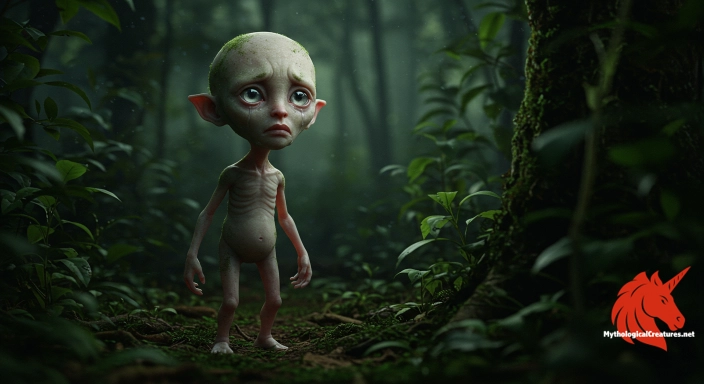
Dare to Meet the Egbere....
Curated by the Mythological Creatures Team
Series editor: Mythological Creatures Directory
Primary desk: Hellenic & Ancient Mediterranean Desk
(rev. November 2025)