
Gnome: Gnomes are diminutive, mythological underground spirits originating from Renaissance magic and German miners' folklore.
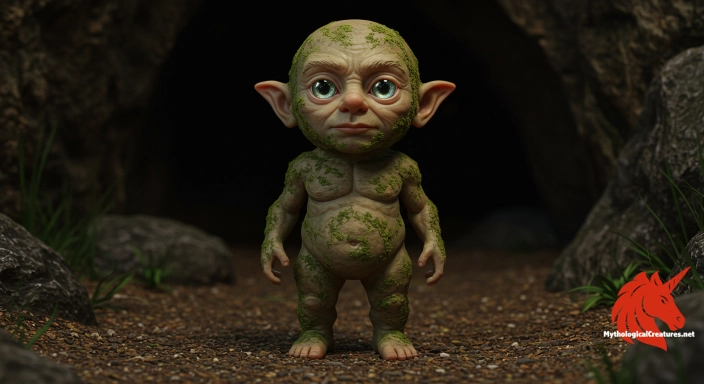
Gnome
Gnome - Gnomes have influenced both historical alchemical traditions and modern fantasy literature, notably inspiring the popularity of garden gnome ornaments.
Origins & First Encounters
Gnomes are small, elusive mythological beings whose origins lie in the mystical traditions of Renaissance magic and alchemy. Introduced during the 16th century by the influential Paracelsus, these creatures quickly became a fixture in the lore associated with the natural and mineral worlds. Emerging from European mining communities, they served as a personification of the hidden treasures and enigmatic forces found deep beneath the earth’s surface. Their early depictions blend the practical concerns of miners with the fantastical impulses of alchemical thought. They appear in ancient narratives as diminutive, spirited humanoids residing in subterranean realms, symbolising both mischief and beneficence. The descriptions offered by early scholars not only reflected the tangible realities of mining but also provided a metaphorical bridge to the mysterious properties of nature. Over time, gnomes evolved to embody traits of terrestrial guardianship, offering explanations for sudden changes in fortune in the mines. Their enduring legacy in myth is a testament to the human fascination with the unseen and the magical aspects of the land.
Source Texts & Tale Variants
Ancient texts and oral traditions provide a layered insight into the lore of gnomes, with early accounts originating from the Renaissance period. Paracelsus’s writings serve as one of the earliest formal attestations, systematically outlining the nature and role of these diminutive creatures. His work, steeped in the language of alchemy and occult symbolism, drew heavily on the indigenous legends of mining communities. The distinctly German miners’ tales, vividly recorded by Georg Agricola, describe these beings under names such as Bergmännlein and cobeli, thus cementing their connection to the subterranean world. Varied manuscripts offer differing measurements and traits, with some accounts suggesting heights of 18 inches while others extend to 27 inches. These primary sources reflect not only the cultural importance of mining but also the broader European fascination with the mysteries of nature. As these narratives circulated across regions, storytellers enriched the character of the gnome with diverse moral and symbolic dimensions. Later interpretations in folklore and literature continued to reference these early texts, ensuring that the original mystique was preserved even amid reinterpretations. The continuous adaptation of these stories underscores a living tradition that spans centuries and borders.
Form & Powers
Gnomes are most commonly portrayed as compact, human-like figures whose diminutive stature accentuates their mysterious connection to the earth. Descriptions in the early works of alchemy detail figures measuring roughly 18 to 27 inches, with the variation reflecting different regional and authorial interpretations. Their facial features are often rendered with a clever, twinkling quality, suggesting an inherent wisdom beneath their playful demeanour. Many portrayals include elements such as bushy beards and hair that appears rugged and earth-toned, blending seamlessly with their subterranean habitat. Their attire is typically simple yet practical, consisting of garments that are both utilitarian and subtly adorned with natural motifs. Some depictions lend them pointed ears and a slightly rugged texture that hints at an enduring bond with the rugged underground. The overall composition of their appearance reflects a balance between frailty and an unmistakable, hardy resilience. The physical portrayal serves as a visual shorthand for their dual role as both pranksters and guardians of mineral treasure. Their form is a careful blend of the human and the mysterious, forever linked to the natural elements they are believed to protect.
Regional Faces
Across Europe, the depiction of gnomes varies in nuances that mirror local traditions and environmental influences. In German folklore, for instance, they are frequently called Bergmännlein, a term infused with the spirit of mining and a close connection to the mountain’s hidden riches. In these regions, they are celebrated as both mischievous tricksters and benevolent custodians of mineral wealth, reflecting the double-edged nature of earthly fortunes. Northern European adaptations sometimes impart to them more overtly magical characteristics, including whimsical adornments and a fae-like appearance. Rural narratives extend their realm beyond the mines, suggesting that they might also inhabit secluded forests or meadows. The shift in portrayal is often influenced by the socio-economic realities of a region, such as the prominence of mining versus agricultural life. In modern European settings, the transformation into garden gnomes further underscores how these mythic beings have been localised and domesticated as part of cultural heritage. These regional variations highlight the versatility of the gnome as a symbol that can be both ancient and ever-changing. The result is a rich mosaic of interpretations that underline the enduring appeal of these diminutive guardians.
Cultural Parallels
The gnome shares notable commonalities with other mythological entities that serve as intermediaries between human culture and the natural world. Similar to the dwarfs celebrated in various European mythologies, gnomes are deeply associated with the subterranean, particularly with the processes of mining and the discovery of precious minerals. In many traditions, they are compared to kobolds, whose own mischievous nature and elusive presence echo the dual aspects of mischief and guardianship inherent in gnome lore. Where dwarfs are celebrated for their craftsmanship and the forging of mighty artefacts, gnomes are revered as the protectors of nature’s secret reserves. The faerie realm, too, offers parallel narratives, where diminutive beings weave between the veil of the ordinary and the enchanting. These cross-cultural comparisons reveal a shared symbolic language where all small beings are entrusted with secrets and hidden knowledge of the earth. Such parallels underscore an enduring thematic preoccupation with the interplay between the seen and the unseen. The similarities and subtle differences among these creatures illustrate the varied ways in which different cultures interact with the mysteries of the natural world. This comparative analysis highlights the universal engine of myth, drawing on a collective human desire to explain and personify the forces that shape our lives.
Legacy & Modern Evolution
The depiction of gnomes has undergone a remarkable transformation from enigmatic earthbound spirits to playful emblems of modern popular culture. Initially emerging from Renaissance alchemical texts and miners’ legends as serious custodians of the subterranean realm, gnomes were once viewed as important cosmic intermediaries. Over time, evolving cultural attitudes and the rise of pastoral romanticism softened this image into one that is more whimsical and accessible. The 19th-century introduction of gnome-inspired lawn ornaments symbolised a deliberate move towards celebrating the creature in a benign, decorative form. Contemporary fantasy literature and film have continued to reimagine gnomes, often portraying them as wise yet mischievous companions with a touch of arcane magic. Modern artists have embraced the adaptability of gnome imagery, blending historical motifs with contemporary aesthetics to produce a wide array of interpretations. The journey from secretive folklore to household garden icon is illustrative of how ancient myths can be both preserved and reinvented. In every incarnation, gnomes continue to encapsulate the enduring human fascination with nature’s mysteries and the blurring of boundaries between the mundane and the magical. Their legacy is a vibrant reminder of the layered, evolving narrative that sustains myth through the ages.
Interesting Fact
The element cobalt derives its name from the term 'kobelt', a nod to the mischievous nature of the gnome in mining lore.
Partner with us
Sponsor this space
Reach thousands of mythology enthusiasts with a curated placement on our creature pages.
Learn about sponsorshipQuick Creature Info
Origin:
Features:
Associations:
Our Mythic Legendary Rating:

Also Sometimes Known As:
Habitat:
Supernatural Powers:
Physical Attributes:
Abilities:
Behavior:
Weaknesses:
Lore:
References
Discover Another Mythical Legend You May Not Have Heard Of?
Uncover the mysteries of ancient folklore and expand your knowledge of legendary beings from cultures around the world.
Dare to Meet the Loyalakpa....

Curated by the Mythological Creatures Team
Series editor: Mythological Creatures Directory
Primary desk: Northern & European Folklore Desk
(rev. November 2025)