
Heluo fish: Heluo fish is a mythological Chinese fish distinguished by its singular head and ten bodies.
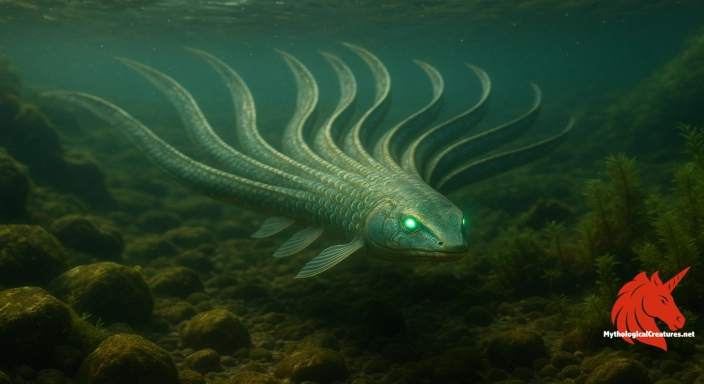
Heluo fish
Heluo fish - Represents themes of unity and multiplicity, reflecting the enigmatic nature of mythological creatures.
Origins & First Encounters
The Heluo fish stands as one of the most fascinating entities within Chinese mythology, renowned for its unusual form and symbolic depth. Emerging from a rich tapestry of ancient lore, its story has been woven into the cultural fabric of early China. Often identified concurrently as the Zi fish, this creature embodies multiple layers of meaning in myth and legend. Its portrayal as a being with one head and ten sinuous bodies hints at an origin steeped in both natural wonder and cosmic mystery. The distinctive structure is seen as a metaphor for the interplay between the singular and the multiple, suggesting both unity and diversity in nature. Tales tell of a time when the boundaries between the mundane and the divine blurred, allowing such miraculous beings to emerge. The Heluo fish has been romantically and ominously depicted as an omen capable of heralding change, be it fortune or woe. Rooted deeply in ancient rituals and symbolic narratives, it reflects the early Chinese pursuit of understanding the interplay between the celestial and the terrestrial. Its enduring presence in myth invites contemplation on the complex balance inherent in natural and spiritual worlds.
Source Texts & Tale Variants
The primary accounts of the Heluo fish emerge from a combination of ancient texts and orally transmitted folklore that have been passed down through generations. Classical compendiums of mythical creatures, although sparse, have preserved evocative descriptions that intertwine this fish with celestial mysteries and natural phenomena. Anecdotal records from regional storytellers further enrich its narrative, expanding on subtle details that formal texts often overlook. Within these varied sources, the name Zi fish is sometimes used interchangeably with Heluo fish, each iteration emphasising different supernatural attributes. Early inscriptions and mythic catalogues hint that its extraordinary form was not merely decorative but also laden with symbolic significance. In several local chronicles, its sudden appearance in natural settings was interpreted as a portent, inspiring both awe and caution. Ritual archives note its recurring role in seasonal celebrations and water-related customs, thereby solidifying its place in cultural memory. The diversity in these sources underscores the dynamic and evolving nature of its mythical portrayal across time.
Form & Powers
The Heluo fish is visually striking, featuring a singular, commanding head that gives rise to a series of ten elongated, flowing bodies. Its head is often depicted with ornate, interlocking scales that glisten like polished jade under the light, while wise, penetrating eyes suggest an ancient mysticism. Each of its ten bodies flows with a fluid grace, their surfaces marked by intricate patterns of colour reminiscent of amber and azure. Artists have portrayed these bodies as interwoven streams of water, each lined with delicate fins and subtle tendrils that enhance its ethereal appearance. The compound structure of the creature challenges conventional anatomical norms, blending the realms of the natural and the supernatural. In some visual renditions, the boundaries between each body seem to dissolve, symbolising the seamless fusion of various natural forces. Variations in size and detail have led to portrayals ranging from impressive, massive beings to more modest, elegantly composed figures. The amalgamation of both delicate aesthetics and an imposing form speaks to its role as a harbinger of transformative power. Such detailed physical descriptions not only capture the imagination but also serve as a visual metaphor for the layered complexity of existence.
Regional Faces
Across various regions of China, the Heluo fish has been reimagined and reshaped to reflect local cultural nuances and environmental influences. In coastal communities, it is often revered as a symbol of maritime abundance and the mysterious power of the ocean. Inland, some traditions link its ten bodies with the shifting courses of great rivers and seasonal transformations, underlining its connection to water as a life-giving force. In northern folklore, its form is sometimes interpreted as representing a set of divine virtues, each body aligned with a specific element of the natural world. Southern narratives, on the other hand, celebrate the fish as an emblem of prosperity and renewal during times of agricultural bounty. Local artisans have embraced its multifaceted image, incorporating stylised depictions into ceramics, paintings, and festive regalia. Celebrations and ritual performances in different provinces often feature stories of the Heluo fish, each version emphasising distinct regional symbols. The fish’s adaptability in local tales underscores how mythic imagery can serve as a mirror to the values and beliefs of diverse communities. This regional variation not only highlights the fluid nature of myth but also reinforces the creature’s status as a dynamic cultural icon.
Cultural Parallels
The Heluo fish invites comparison with numerous mythological creatures that combine multiple forms to symbolise unity and multiplicity. Much like multi-headed serpents and dragons found in other Eastern legends, its distinctive anatomy serves as a metaphor for the convergence of disparate energies. In Japanese lore, for example, certain aquatic beings and dragon myths echo similar attributes, reflecting an intertwined relationship with water and spiritual power. South Asian myths also recount creatures with multiple appendages or symbolic forms that parallel the multifaceted nature of the Heluo fish. These comparisons highlight a shared cultural fascination with entities that exist beyond normal biological confines, embodying chaos, order, and metamorphosis. Across cultures, similar beings are often invoked to explain the mysteries of nature, fate, and the transformative processes of life. The thematic overlap in these diverse mythologies underscores the universal human impulse to interpret the world through rich, symbolic imagery. Examining these cross-cultural parallels offers deeper insight into how the Heluo fish not only reflects ancient Chinese thought but also resonates with global mythic traditions. Such comparative analysis illuminates the broader narrative of how myth enshrines the complex balance between singularity and multiplicity.
Legacy & Modern Evolution
Throughout history, the legend of the Heluo fish has evolved into a multifaceted legacy that continues to inspire and captivate. Its image, immortalised on ancient ceramics and scrolls, remains a potent symbol of transformation and the mysterious forces of nature. Modern reinterpretations have brought the creature into contemporary art, literature, and even digital media, bridging traditional myth with current creative expression. The Heluo fish is frequently featured in cultural festivals and exhibitions, where its unique form is celebrated as a marker of both heritage and innovation. In academic discussions, it stands as a paradigm of how myth can encapsulate the complexities and contradictions of the natural world. Local communities still honour its legacy through ritual performances and storytelling that preserve its mystical allure. Contemporary artists reimagine the fish, employing modern techniques that enhance its timeless narrative while inviting new interpretations. The journey of the Heluo fish from ancient scrolls to modern cultural landscapes underscores its enduring symbolic power and the universal appeal of myth in articulating the mysteries of existence.
Interesting Fact
One of the most striking features of Heluo fish is its combination of one head with ten bodies, a physical anomaly that continues to captivate scholars and enthusiasts of Chinese mythology.
For indie creators
Give your myth project a permanent home
Indie authors, artists, small studios, and makers can secure an annual, non-intrusive sponsor slot that meets readers where they explore.
Obtain more informationQuick Creature Info
Associations:
Our Mythic Legendary Rating:

Also Sometimes Known As:
Habitat:
Physical Attributes:
Lore:
Related Creatures, Tales or Lore
- KKun (mythological giant fish)
- JJiaolong (Chinese flood dragon)
- AAspidochelone (mythical sea creature)
References
Discover Another Mythical Legend You May Not Have Heard Of?
Uncover the mysteries of ancient folklore and expand your knowledge of legendary beings from cultures around the world.
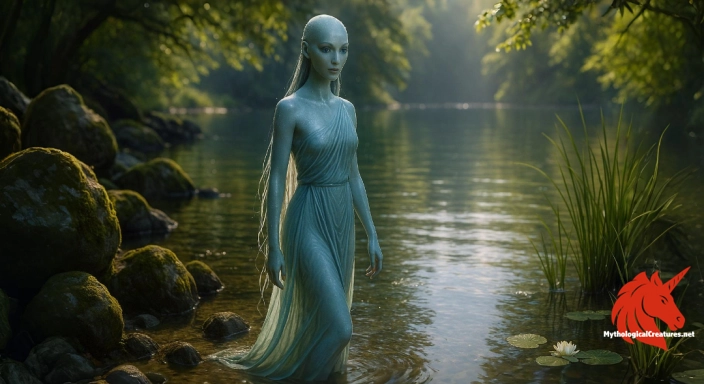
Dare to Meet the Limnad....
Curated by the Mythological Creatures Team
Series editor: Mythological Creatures Directory
Primary desk: Asian & Pacific Myth Cycles Desk
(rev. November 2025)