
Hob: The hob is a small, mythological household spirit from the English Midlands and Anglo-Scottish border.
-25bc6a1f-5a92-4aad-ada0-6615b82c5ca1_small.webp "Hob - The hob exemplifies the delicate balance between beneficence and mischief in folklore, symbolising the importance of respectful treatment towards domestic spirits.")
Hob
Hob - The hob exemplifies the delicate balance between beneficence and mischief in folklore, symbolising the importance of respectful treatment towards domestic spirits.
Origins & First Encounters
The hob is a captivating household spirit that has intrigued rural communities for centuries. Emerging from the depths of English folklore, this small, elusive creature’s origins lie in the traditions of the English Midlands, Northern England, and the Anglo-Scottish border. Its early attestations were woven into the fabric of daily rural life, where oral narratives celebrated both its helpful and mischievous aspects. The hob is revered as a silent companion, often taking on the role of a domestic assistant who carries out humble chores unnoticed. Over time, it has come to embody the delicate balance between benevolence and chaos within the homestead. Its presence reflects a culture deeply connected to the natural elements and the unseen forces that govern everyday existence. Intricately linked with the rhythms of farm and household life, the hob has become a symbol of the intimate ties between people and the mysterious world around them. This delicate interplay of utility and caprice ensures that the hob remains a prominent figure in traditional folklore, continuing to intrigue and inspire through its subtle yet enduring influence. Its enduring charm encapsulates both the vulnerability and the resilience of rural life, leaving a lasting imprint on the cultural imagination.
Source Texts & Tale Variants
Traditional folk narratives and local tales form the primary sources through which the hob has been remembered over the ages. These stories were passed down orally between generations, preserving details of the creature’s character in a manner that varied from one community to another. In many regions, families would recount encounters with these diminutive spirits during communal gatherings, thereby reinforcing its role in domestic lore. The recurring motif of bestowing new clothing to prompt the hob’s departure is a distinctive element echoed in various story variants. Written compilations from the 18th and 19th centuries further support these oral traditions, capturing the imagination of both superstitious and scholarly audiences. Diverse versions of the tale exist, each adding subtle layers that enhance our understanding of the hob’s temperament and behaviours. Some narratives portray it as a generous, almost indispensable helper, while others warn of its potential for mischief when slighted. This rich tapestry of accounts demonstrates the dynamic nature of folklore, where each iteration is a reflection of local customs and moral lessons. By examining these variations, one can appreciate the complex interplay between human tradition and the ethereal world of household spirits.
Form & Powers
Descriptions of the hob’s physical appearance are as varied and enigmatic as the creature itself. In most accounts, it is portrayed as a small, slight figure, standing modestly in comparison to the human form. Its features are often weathered and marked by a life intertwined with the rustic outdoors, lending it an air of both wisdom and mischief. Typically, the hob is depicted wearing tattered, utilitarian garments that hint at its close ties with humble rural life. These clothes, often appearing faded and worn, add a sense of age and tradition to its character. The creature’s eyes are frequently described as gleaming, reflecting a spark of cunning intellect and an unpredictable spirit. Some accounts suggest that its hands, quick and nimble, are perfectly suited to the delicate tasks it undertakes at home and in the farmyard. Variations in physical depiction exist across different regions, with some portrayals emphasising a slightly more human-like face and others hinting at a vaguely otherworldly quality. Overall, the hob’s physical form encapsulates both the simplicity and the enigmatic charm of the folklore from which it originates.
Regional Faces
The characterisation of the hob shifts subtly depending on regional traditions, offering a fascinating insight into localized folklore. In the English Midlands, the hob is often seen as a benign guardian of the household, seamlessly integrating itself into everyday farm and home life. In Northern England, however, narratives sometimes ascribe to it a more complex and unpredictable nature, where its benevolence is balanced by a capacity for mischief or stubborn disobedience. Along the Anglo-Scottish border, the creature’s identity may even merge with other local legends, blurring the lines between a humble domestic sprite and a more elusive hobgoblin. These regional adaptations underscore the flexibility of folklore in reflecting the values and superstitions of specific communities. Local rituals and anecdotes further refine the hob’s personality, with some traditions elaborating on the ingenious methods used by households to appease or ‘dismiss’ the creature through the gift of new clothing. The differences observed across these regions illustrate how a single mythological entity can metamorphose in response to varying cultural landscapes and social norms. Each regional variant adds its own unique colour and nuance to the collective mythos, sustaining the hob’s relevance over time. Such regional diversity ensures that the hob remains a cherished part of local heritage, continually adapted and reshaped by the communities that keep its legend alive.
Cultural Parallels
When examined alongside other household sprites in European folklore, the hob shares a number of intriguing similarities and distinct contrasts. It occupies a similar cultural niche to that of the Scottish brownie, a creature celebrated for its quiet assistance in domestic tasks during the night. Like many of its counterparts, the hob embodies the duality of being both helpful and potentially troublesome, a trait that is common among household spirits across various traditions. In contrast to more malevolent entities, its mischief is typically benign, reinforcing the idea that the spirit's role is to serve, as long as it is respected. This delicate balance resonates with comparable figures in other cultures, such as the German kobold, where offering respect and small gifts may ensure harmonious cohabitation. The commonality of the theme—where kindness results in quiet service and neglect leads to disruption—illustrates a shared cultural understanding of the unseen forces populating the domestic realm. Despite these overlaps, the hob retains a distinct identity with its specific method of departure tied to the presentation of new clothing. This unique feature distinguishes it from its counterparts and illustrates how local practices can imbue a creature with particular mythological significance. Overall, the hob’s character invites a broader comparative analysis of domestic sprites, demonstrating how such entities serve as vital links between human communities and the mysterious forces of nature.
Legacy & Modern Evolution
The legacy of the hob continues to evolve, reflecting shifts in cultural attitudes and societal changes through the ages. Once a fixture in the daily lives of rural communities, the hob has transitioned from a mere household spirit to a symbol of an enduring folk tradition. In the Victorian era, collectors and enthusiasts of folklore began to romanticise such spirits, allowing the hob to step into a more celebrated role as an emblem of lost rural charm. This period saw the creature being reinterpreted in literary and artistic circles, where it was imbued with layers of nostalgic mysticism. In modern times, the hob has found a new audience within the realms of fantasy literature and role-playing games, where its image has been refreshed and reimagined. Contemporary portrayals maintain its essential attributes while exploring its more playful and enigmatic qualities in an updated context. As modern adaptations continue to surface, the hob serves as a cultural bridge, connecting modern sensibilities with ancient traditions. Its story remains a testament to the imaginative power of folklore, evolving in ways that resonate with current themes of transformation and renewal. Today, the hob stands as a reminder of the rich tapestry of myth and the enduring human need to explain the unseen forces that shape our everyday lives.
Interesting Fact
A fascinating aspect of the hob is its dependency on clothing for its continued presence, which not only defines its vulnerability but also reflects a deeper cultural narrative about the relationship between humans and their domestic spirits.
For myth educators and toolmakers
Built a resource for mythology learners?
If you offer courses, teaching tools, or research platforms focused on myth and folklore, consider a discrete placement on our reference pages.
Introduce your resourceQuick Creature Info
Features:
Associations:
Our Mythic Legendary Rating:

Habitat:
Supernatural Powers:
Physical Attributes:
Abilities:
Behavior:
Weaknesses:
Lore:
Related Creatures, Tales or Lore
- BBrownie
- HHobgoblin
- DDomovoi
References
Discover Another Mythical Legend You May Not Have Heard Of?
Uncover the mysteries of ancient folklore and expand your knowledge of legendary beings from cultures around the world.
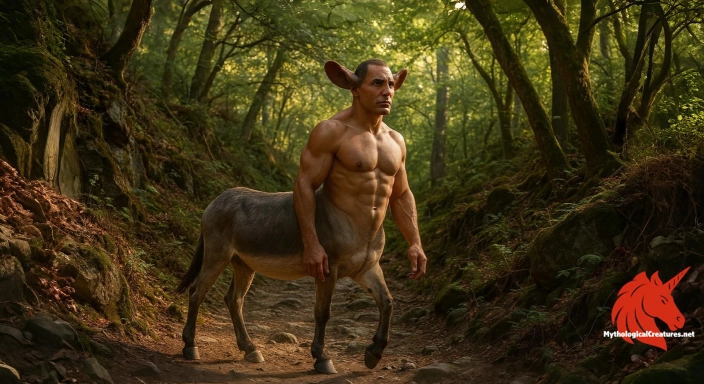
Dare to Meet the Onocentaur....
Curated by the Mythological Creatures Team
Series editor: Mythological Creatures Directory
Primary desk: Northern & European Folklore Desk
(rev. November 2025)