
Hobbididance: Hobbididance is a malevolent sprite from English folklore, famously referenced as one of the fiends in Shakespeare's King Lear.
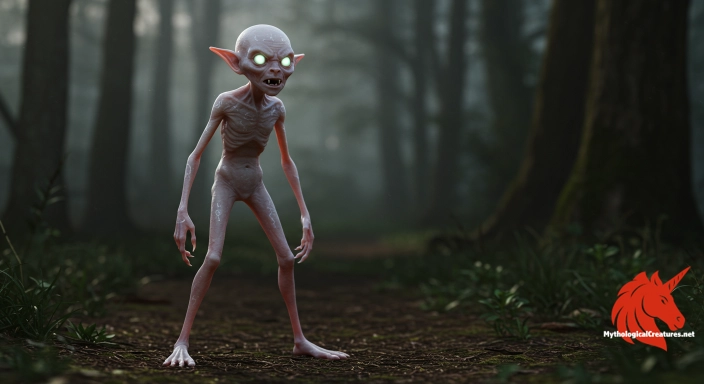
Hobbididance
Hobbididance - Represents the dark, mischievous side of English folklore and serves as a cautionary figure against folly.
Origins & First Encounters
The Hobbididance is a creature woven into the rich tapestry of English folklore, emerging as a malevolent sprite whose enigmatic presence has intrigued communities for centuries. Born from the energetic traditions surrounding the morris dance, this spirit embodies both mischief and unsettling foreboding. Its early mentions, though sparse, hint at a being that has long been associated with the unpredictable forces of nature and ritual performance. The character appears to have roots in pre-Christian practices, later intermingled with medieval and early modern superstitions. Not merely a bystander, the Hobbididance was once considered central to communal celebrations, invoked both in jest and in cautionary tales. As it found its way into literary texts—most famously in Shakespeare’s King Lear—it became emblematic of the disruption of normal order. The sprite’s integration in local traditions underscored living folklore’s responsiveness to societal fears and the chaotic elements of life. Over time, its legacy has evolved from a frightful omen to a nuanced symbol of cultural heritage and the duality inherent in communal rites.
Source Texts & Tale Variants
The primary narrative of Hobbididance is anchored in literary tradition, most notably through its mention in Shakespeare’s King Lear where it is listed among several fiends influencing the character of Poor Tom. This dramatic reference provided a literary seal that integrated the sprite into the broader mythological framework of English folklore. Aside from the Bard’s work, the creature also inhabits the oral traditions of rural England, particularly within communities that celebrated the morris dance. Fragmentary entries in regional manuscripts and local parish records further allude to his nefarious presence during festive occasions. Variations in the spelling and pronunciation—such as Hoberdidance—suggest a long history of oral transmission where details shifted with each retelling. Some strands of folklore emphasise his role as a trickster, while other versions stress his malevolent qualities. These diverse narratives reflect a common theme in myth where the boundary between playful mischief and true menace blurs. As a result, the sprite endures as a composite of literary invention and folk reminiscence, its story continually adapted by successive generations.
Form & Powers
Physical depictions of Hobbididance are as elusive as they are intriguing, largely because he is a creature born of folklore and the imagination rather than fixed artistic canon. Traditional accounts often imagine him as a diminutive, spectral figure capable of slipping between shadow and light with disquieting agility. His form is sometimes described as contorted or oddly asymmetric, with exaggerated features that evoke both levity and dread. The epithet ‘prince of dumbness’ suggests a countenance marked by a strange, vacant air—a face that might alternately invoke comic relief or cold terror. Artists in varying traditions have hinted at a wiry, almost insubstantial body, clothed in garments reminiscent of the ragged yet colourful attire seen in morris dance costumes. In some accounts, his limbs are unnaturally elongated, contributing to a gait that is both erratic and mesmerizing. This dreamlike, mutable appearance underscores his role as a boundary-crosser between the physical and supernatural realms. Despite the lack of a definitive image, the enduring vision of Hobbididance is one of a lean, agile sprite whose very form mirrors the chaotic energy of his dance.
Regional Faces
Regional traditions lend fascinating nuances to the character of Hobbididance, reflecting how local cultures shape and transform myth. In various parts of England, particularly in rural communities where the morris dance was once a central form of celebration, his name and role shifted subtly with the local dialect and customs. Some neighbours viewed him as an ominous figure lurking at the fringes of community festivities, while others adopted a more playful interpretation that verged on the comical. In these retellings, Hobbididance could be seen as both a warning and a symbol of the unpredictable spirit of rural life. In rural southern counties, for instance, folk renditions sometimes cast him as a minor disruptor, a spirit whose antics were less malevolent and more reflective of nature’s caprice. Conversely, in northern traditions, the character often assumed darker undertones, serving as a personification of the chaos that accompanies harsh winters and uncertain harvests. These regional variants demonstrate how a single mythic figure can absorb and reflect the distinct social and environmental influences of different locales. Such local adaptations have ensured that Hobbididance remains a versatile and resonant figure in the living tradition of folklore.
Cultural Parallels
When compared with similar creatures from other cultural folklore, Hobbididance clearly occupies a unique position among the mischievous and malevolent sprites of Europe. Like the Irish leprechaun or the Scottish boggart, he embodies a dual nature, merging light-hearted trickery with an undercurrent of malevolence. Across the channel, the French lutin shares many traits with Hobbididance, particularly in the way both figures agitate the boundaries between social order and chaos. The similar roles played by such sprites in local festivities underscore a broader European tradition of invoking supernatural agents who both entertain and caution. Shakespeare’s inclusion of the Hobbididance among other fiends further ties him into a network of allegorical spirits that blur the line between the comic and the sinister. Comparative mythology reveals that this class of creatures often symbolizes nature’s unpredictability and the inversions of societal norms, especially during communal celebrations. In all these variants, the spirit serves as a living reminder that the boundaries between order and disorder are fragile and ever-shifting. Hobbididance, therefore, occupies a significant place as a cultural archetype that resonates across a spectrum of European folklore traditions.
Legacy & Modern Evolution
The historical evolution of Hobbididance reflects a broader shift in how society interacts with its mythological heritage. Initially portrayed as a distinctly malevolent presence within the intense, ritualistic framework of the morris dance, the sprite gradually transformed into an enigmatic emblem of cultural eccentricity. Over the centuries, as the rigid lines between superstition and folklore softened, the once-feared figure began to be reinterpreted in a more nuanced and sometimes even playful light. His depiction in classical drama, particularly in King Lear, ensured his survival in the cultural memory, albeit as a peripheral character in a larger mosaic of supernatural figures. Modern revivals of traditional English dancing have rekindled interest in such sprites, with community events occasionally celebrating the odd and arcane qualities of Hobbididance. Contemporary interpretations often view him through a symbolic lens, representing both the unpredictable nature of life and the enduring appeal of folk traditions. In art, literature, and local festivals, his character is celebrated as a quirky link to a bygone era of mystical symbolism and communal storytelling. Today, Hobbididance stands as a testament to the vibrant and evolving legacy of English folklore, echoing the tensions between order and chaos that continue to captivate the modern imagination.
Interesting Fact
Hobbididance’s unique depiction in both high literature and folk tradition underscores the fluid boundary between theatrical demonology and everyday superstition in early modern England.
Curated sponsor space
One subtle banner. Thousands of myth lovers.
We offer a small number of curated sponsor spots for relevant books, courses, games, and art. No clutter, just well-matched partners.
Partner with usQuick Creature Info
Origin:
Our Mythic Legendary Rating:

Also Sometimes Known As:
Habitat:
Supernatural Powers:
Physical Attributes:
Abilities:
Behavior:
Lore:
Related Creatures, Tales or Lore
References
Discover Another Mythical Legend You May Not Have Heard Of?
Uncover the mysteries of ancient folklore and expand your knowledge of legendary beings from cultures around the world.
Dare to Meet the Ebajalg....
Curated by the Mythological Creatures Team
Series editor: Mythological Creatures Directory
Primary desk: Northern & European Folklore Desk
(rev. November 2025)