
Inugami Gyōbu: Inugami Gyōbu is a legendary bake-danuki from Matsuyama, Ehime Prefecture, known for his shape-shifting abilities.
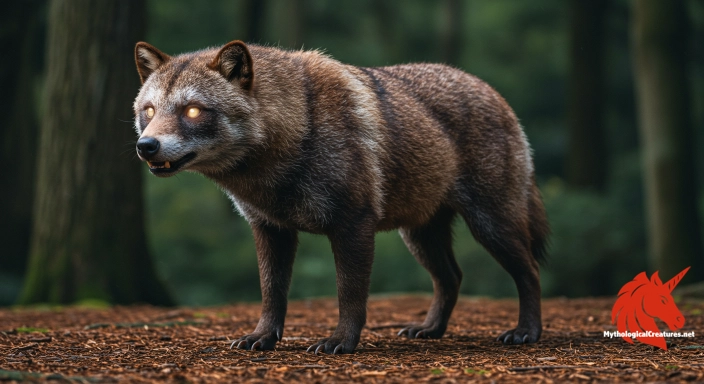
Inugami Gyōbu
Inugami Gyōbu - One of the big three tanuki tales, Inugami Gyōbu embodies the mischievous spirit of tanuki legends.
the legend in five swipes.
the legend in five swipes.
Where does the story of Inugami Gyōbu begin?
Inugami Gyōbu, also known as Gyōbu-danuki, is an illustrious figure in Japanese folklore predominantly celebrated in the tales of Matsuyama, now part of Ehime Prefecture. His legend is deeply embedded in a cultural landscape where supernatural tanuki, or bake-danuki, have long been revered for their enigmatic abilities. Emerging from ancient local tradition, his story blends elements of mystique and humour to capture the imagination of generations. Early accounts hint at his presence during times of social disturbance and spiritual ambiguity, reflecting the complex interplay between nature and the supernatural. The duality of his name—combining a canine resonance with the archetypal qualities of a tanuki—adds an intriguing layer to his persona. His narrative was first attested in regional recountings that celebrated both the capricious and transformative powers attributed to these mystical creatures. As his tale was passed down, it came to symbolise not only mischievous trickery but also the unpredictable forces that shape communal life. The enduring quality of his myth illustrates the capacity of folklore to bridge the tangible and the fantastical in everyday culture. Today, Inugami Gyōbu remains a captivating emblem of a rich and evolving mythological tradition.
Inugami Gyōbu: Manuscripts, Texts and Variants
The primary narrative detailing Inugami Gyōbu is found in the celebrated 'Tale of the Matsuyama Disturbance and the Eight Hundred and Eight Tanuki', a cornerstone in the canon of tanuki legends. His appearance in this epic places him among the most memorable and frequently retold figures in local supernatural lore. The text is esteemed as one of the big three tanuki tales, standing alongside other famed stories such as the Shojoji no Tanuki-bayashi and Bunbuku Chagama. Over time, regional storytellers have adapted these accounts, adding nuanced layers that portray him variously as a benevolent jester or a harbinger of mystery. Oral traditions have further enriched the written manuscripts, ensuring that his saga remains fluid and responsive to local cultural shifts. Multiple manuscript variations exist, each capturing different facets of his character and the tumultuous events associated with him. This interplay between written records and folk recitations has allowed his myth to evolve while retaining an air of reverence and intrigue. The narrative continues to resonate in both scholarly discussions and community festivals, emphasising its significance within the broader tradition of Japanese folklore. Such enduring sources serve as a vital bridge between age-old beliefs and the modern retelling of legendary accounts.
Inugami Gyōbu: What Manner of Being?
Inugami Gyōbu is depicted as an intriguing hybrid that marries the agile features of a canine with the robust, rounded form typical of a traditional tanuki. His physique is often rendered with a generous belly and a distinctly earthy build, inviting the viewer to appreciate both strength and playfulness. Rich artistic portrayals have given him a lustrous coat that appears to shimmer with alternating hues, symbolising his mutable nature. His eyes are described as sparkling with a cunning intelligence, a feature that conveys both mischief and enigma in equal measure. Delicate details such as slightly elongated ears and a subtly pronounced snout further accentuate his dual identity. The use of soft, natural colours in his depiction underscores his deep connection with the natural world, while flashes of unexpected vibrancy allude to his supernatural powers. Depictions of Inugami Gyōbu often suggest an impermanent aura that hints at his famed ability to transform at will. Variations in his size have been noted across different artistic interpretations, with some renditions portraying him as diminutive and others emphasising a more commanding presence. This amalgamation of physical traits reflects not only his mythological origins but also the broader archetypes of transformation and trickery in Japanese lore.
What do different regions call Inugami Gyōbu?
The tale of Inugami Gyōbu is richly refracted across different regions of Japan, each adding its own cultural inflections to his legend. In Matsuyama, his story is woven into the fabric of local history, where supernatural disturbances and mysterious happenings have long been part of communal memory. Local variations often portray him as a mischievous spirit with a dual role, simultaneously offering protection and serving as a forewarning of unpredictable events. In neighbouring areas, his character is sometimes merged with indigenous beliefs in nature spirits and inugami, resulting in a multifaceted persona that defies singular interpretation. Some communities accentuate his role as a guardian of fortune, while others emphasise his trickster attributes, blending both benevolent and malevolent overtones. The juxtaposition of his canine and tanuki features is often celebrated in regional art and folklore, reflecting a fusion of mythic traditions. Festivals and ritual performances in various localities frequently feature his image, underscoring how his legend continues to adapt to diverse cultural contexts. Such adaptations ensure that his myth remains a vibrant and dynamic component of regional identity. Ultimately, the regional variations of his legend not only highlight local creative expression but also contribute to the overarching tapestry of Japanese myth.
Do other traditions know Inugami Gyōbu by another name?
Inugami Gyōbu finds a powerful resonance with a wide array of trickster figures present in mythologies around the globe. His uniquely blended traits, merging those of a canine and a tanuki, parallel the transformative characteristics seen in other East Asian legends such as the kitsune, or fox spirit. Similar archetypes appear in European folklore, where figures known for their cunning and shape-shifting abilities remind audiences of the dual nature of mythic tricksters. These cross-cultural comparisons underscore a common symbolic language, in which animal spirits serve as metaphors for both chaos and creative wisdom. In many traditions, the role of the trickster is pivotal in challenging conventional boundaries and inviting new perspectives, much like the narrative function served by Inugami Gyōbu. His ability to oscillate between humorous antics and more ominous undertones is a feature echoed in other cultural legends, reinforcing the idea that trickery can be a conduit for deeper truths. The motif of metamorphosis inherent in his character is a recurrent theme in global folklore, linking disparate mythic traditions through shared narrative structures. Comparative analysis reveals that while the specifics may vary, the essence of the trickster remains a universally compelling element. Through these parallels, Inugami Gyōbu stands as a testament to the enduring appeal of mythic figures that defy simple categorisation and inspire cross-cultural dialogue.
The Lasting Influence of Inugami Gyōbu
The enduring legacy of Inugami Gyōbu reflects the dynamic interplay between traditional folklore and modern cultural expressions. Over the centuries, his story has been continuously reinterpreted, mirroring the shifting values and societal concerns of each successive era. Historical depictions in woodblock prints and local crafts have given way to modern representations in television, anime, and manga, ensuring that his myth remains alive in contemporary media. This evolution illustrates how ancient narratives can adapt to the digital age while maintaining their core symbolic resonances. His multifaceted persona, which skilfully balances humour with an undercurrent of mystery, continues to inspire creative endeavours across various art forms. In modern portrayals, there is often a playful yet satirical edge that critiques modern life, all the while paying homage to his legendary origins. Community festivals and cultural exhibitions frequently include his image, reinforcing his status as both a cherished local figure and a national icon. The evolution of Inugami Gyōbu’s character over time is a striking example of how myth can effectively bridge the past and the present. Today, his legend remains a vibrant symbol of the rich tapestry of Japanese folklore, inviting both reverence and contemplation from a diverse audience.
Interesting Fact
An interesting aspect of Inugami Gyōbu is his dual nomenclature, which reflects the intricate interplay between animal and supernatural elements in Japanese folklore.
Mythological Treasures
Japanese Yokai: A field guide to the spirits and demons of Japanese folklore
Fifteen spirits, with the signs to watch for and what the old tales say to do if you meet one.
Egyptian Legends: A field guide to the gods and monsters of ancient Egypt
Guardians of the living and devourers of the dead, with the role each played in judgement.
Chinese Beasts: A field guide to the dragons and demon kings of Chinese myth
From river dragons to demon kings, with the legends that shaped five thousand years of storytelling.
the legend in five swipes.
Sponsor this space
Tasteful, fixed-fee placements for myth projects
No bidding wars or flashing banners. We offer simple placements for a small set of creators and brands aligned with our readers.
Request further detailsQuick Creature Info
Our Mythic Legendary Rating:

Also Sometimes Known As:
Habitat:
Supernatural Powers:
Physical Attributes:
Abilities:
Behavior:
Lore:
Related Creatures, Tales or Lore
References
Discover Another Mythical Legend You May Not Have Heard Of?
Uncover the mysteries of ancient folklore and expand your knowledge of legendary beings from cultures around the world.
Dare to Meet the Samodiva....
-238267ef-4374-4a03-8d62-35d3f3c2a309_small.webp "Depiction of Samodiva")
The Mythological Creatures Book Series
Yokai, Greek, Norse, Egyptian & Chinese. Five illustrated field guides to the creatures the old stories either warned or told you about.
Curated by the Mythological Creatures Team
Series editor: Mythological Creatures Directory
Primary desk: Asian & Pacific Myth Cycles Desk
(rev. November 2025)