
Samodiva: Samodivas are woodland fairies from South and West Slavic folklore, renowned for their ethereal beauty and enchanting powers.
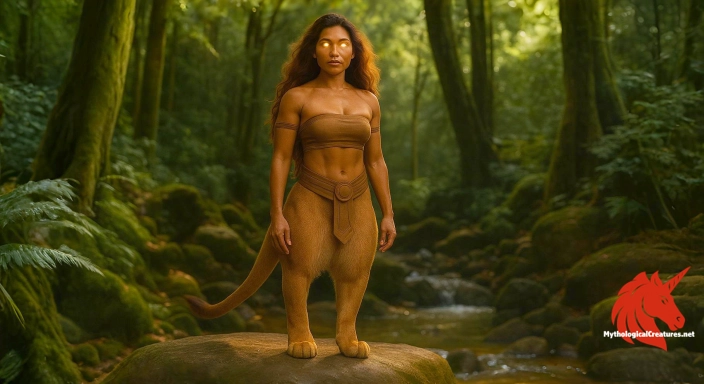
-238267ef-4374-4a03-8d62-35d3f3c2a309_small.webp "Samodiva - They represent the delicate balance between beauty and danger inherent in nature and serve as a reminder of the wild's untamed magic")
Samodiva
Samodiva - They represent the delicate balance between beauty and danger inherent in nature and serve as a reminder of the wild's untamed magic
Origins & First Encounters
Samodiva inhabit a realm where nature and the supernatural entwine, emerging as captivating woodland fairies rooted in South and West Slavic traditions. Their origins can be traced back to ancient pagan rites and a deep-seated reverence for the natural environment, which once formed the bedrock of early Slavic spirituality. Early attestations of these ethereal beings appear in fragmented oral traditions and medieval manuscripts, preserving their mystique across time. The cultural context of their emergence is steeped in the interplay between the human and the divine, where natural elements were venerated as living spirits. The very name, with variants like samovila and vila, hints at a self-made, independent essence that sets them apart from other mythic creatures. Samodivi are often portrayed as custodians of the wild, whose sudden, graceful appearances remind mortals of nature’s volatile charm and hidden dangers. They simultaneously embody the allure of unbridled beauty and the capricious force of the wilderness. Rooted in the ancient past, their timeless image continues to evoke both admiration and a sense of caution among modern audiences.
Source Texts & Tale Variants
Ancient folklore and traditional ballads form the backbone of the samodiva narrative, with these stories passed along through generations in the form of oral recitations and lyrical hymns. Medieval manuscripts and ritual texts sporadically reference these woodland spirits, capturing fleeting details of their supernatural exploits amid nature’s splendour. Variants of their tales appear throughout diverse collections of Slavic folklore, each version rich with local colour and symbolic meaning. Some narrative strands depict them as benevolent figures who guide and protect lost travellers, while others warn of their vengeful nature when provoked by human folly. Oral performances and folk songs embellish their myth with vivid imagery of dance, music, and enchantment under the moonlit sky. In many renditions, samodivi interact with mortal heroes, testing their courage and moral integrity through challenges both subtle and overt. The multiplicity of sources has allowed their legend to evolve organically, mirroring the shifting cultural landscape over the centuries. These varied literary and oral accounts collectively reinforce their enduring presence in the collective memory of the Slavic people.
Form & Powers
Descriptions of the samodiva evoke an image of surreal beauty, with each account offering its own intricate and almost ethereal details. They are frequently portrayed as exquisitely beautiful maidens, their long, flowing hair cascading like silken threads and often adorned with crowns fashioned from wildflowers. Their eyes are said to shine with a luminous intensity, mirroring the dappled light of forest clearings and stirring a sense of otherworldly allure. The delicate features of a samodiva, combined with a slender and graceful build, lend them an appearance that transcends ordinary human beauty. Clad in diaphanous garments that shimmer like the morning dew, they seem to dress in the very essence of nature's seasonal transformations. Some descriptions highlight an almost imperceptible aura of both radiance and latent danger, suggesting that their beauty may hide ancient, formidable powers. Their appearance is often enriched by a subtle interplay of light and shadow, reflecting the mysterious and mutable nature of the wild. Every physical portrayal, replete with natural motifs and elegant lines, cements the samodiva as a timeless symbol of nature’s exquisite yet unpredictable temperament.
Regional Faces
The character of the samodiva transforms intriguingly as it moves across the diverse landscapes of the Slavic world, each region imparting its own distinctive attributes. In Bulgarian tradition, they emerge as elusive forest spirits, intimately linked with secluded glades and mountainous retreats where nature reigns supreme. Serbian lore, in contrast, often imbues them with an added layer of mysticism, portraying them as both benevolent guardians and formidable enforcers of nature’s sacred laws. In Macedonian narratives, they are frequently depicted dancing under the moonlit sky, embodying the revival of ancient rites and the cyclical rhythms of the seasons. Local adaptations sometimes emphasise their role in fertility, viewing their appearance as a harbinger of both spring’s renewal and autumn’s bittersweet decay. These regional interpretations are further enriched by unique visual motifs, from the pastoral simplicity of rural folklore to the intricate embellishments found in urban mythmaking. The richness in regional detail highlights the adaptability of the samodiva myth, with each locale shaping them into figures that resonate with its distinct cultural and environmental narrative. Such variations underscore the enduring legacy of these woodland fairies as versatile symbols of nature’s enduring beauty and mystery.
Cultural Parallels
The samodiva share a striking resemblance with the nymphs of ancient Greek mythology, both groups epitomising the enchanting, untamed aspects of the natural world. Similar figures appear in Celtic folklore, where mysterious fae and sidhe hold dominion over glens and meadows, blurring the line between beauty and treachery. Comparisons extend to certain Germanic and Roman mythological entities, whose dual roles as protectors and potential harbingers of doom mirror the ambivalent character of the samodivi. Their portrayal as both enchanting and dangerous aligns with themes common among forest deities found throughout global mythologies. These parallels reflect a universal human fascination with nature’s allure, as well as a recognition of its unpredictable, sometimes perilous, power. The cross-cultural motifs of seduction, retribution, and mystery that they embody highlight their role as mediators between the human realm and the wild unknown. Ideas of transformation and redemption also thread through their stories, much like in other European and Middle Eastern folklore traditions. In a broader context, the samodiva stand alongside various cultural archetypes that celebrate the enduring interconnection between humanity and the natural environment.
Legacy & Modern Evolution
Over centuries, the lore surrounding the samodiva has evolved to mirror shifting societal attitudes and humanity’s changing relationship with nature. Early depictions revered them as primordial spirit-guardians whose influence embodied the cyclical forces of fertility and renewal in a world dominated by natural chaos. As their tales were recounted over time in both oral traditions and written compilations, these woodland fairies became vehicles for moral lessons, warning against the hubris of disrupting nature’s delicate balance. Their portrayal, blending ethereal beauty with an undercurrent of latent retribution, has steadily adapted to reflect the complexities of human desire and environmental respect. In modern interpretations, they have found renewed life in literature, film, and visual arts, often symbolising the ongoing struggle for environmental preservation. Contemporary narratives tend to highlight their enigmatic charm alongside the empowerment of the feminine spirit and the need to honour nature’s sanctity. Amid rapid urban growth and ecological change, the samodiva continue to inspire as emblems of a lost wilderness and the timeless magic inherent in untouched landscapes. Their enduring legacy bridges ancient myth and modern consciousness, underscoring a persistent reverence for the natural world. Through various reimaginings, the samodiva remain a potent reminder of the fragile yet magnificent interplay between humankind and its environment.
Interesting Fact
Legends say that witnessing a samodiva’s dance can lead to personal transformation, offering a glimpse into the deep mysteries of the natural world.
Partner with us
Sponsor this space
Reach thousands of mythology enthusiasts with a curated placement on our creature pages.
Learn about sponsorshipQuick Creature Info
Features:
Associations:
Our Mythic Legendary Rating:

Also Sometimes Known As:
Habitat:
Supernatural Powers:
Physical Attributes:
Abilities:
Behavior:
Weaknesses:
Lore:
References
Discover Another Mythical Legend You May Not Have Heard Of?
Uncover the mysteries of ancient folklore and expand your knowledge of legendary beings from cultures around the world.
Dare to Meet the Apsonsi....
Curated by the Mythological Creatures Team
Series editor: Mythological Creatures Directory
Primary desk: Northern & European Folklore Desk
(rev. November 2025)