
Jenglot: The Jenglot is a small, deformed humanoid doll from Indonesian folklore.
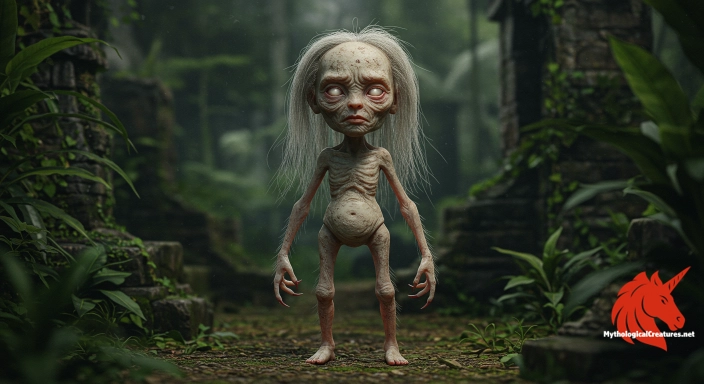
Jenglot
Jenglot - Jenglot are significant in Indonesian culture as mystical objects that bridge the realms of the living and the dead, often used in black magic to protect or harm.
the legend in five swipes.
the legend in five swipes.
Where does the story of the Jenglot begin?
The jenglot is an enigmatic figure from Indonesian mythology that captivates the imagination with its blend of human vulnerability and supernatural power. Born from a rich cultural tapestry woven through centuries of oral tradition, this small creature carries with it tales of mystery and dark charm. Its eerie appearance has been passed down in whispers among rural communities, where it is both revered and feared. Legends suggest that these beings were once human, transformed by the forces of black magic into their current diminutive, doll-like state. Their presence in folklore serves as a symbolic reminder of the unpredictable power of ancient rituals and mystical forces. The narrative of the jenglot is deeply entwined with local customs and superstitions that highlight the interplay between life and the supernatural. With every retelling, the creature’s story grows more intricate, reflecting the diverse spiritual beliefs found across Indonesian society. The modern portrayal of the jenglot continues to echo these age-old myths while adapting to contemporary cultural contexts. This enduring myth is a testament to Indonesia’s rich heritage of supernatural lore and serves as a bridge between the ancient and the modern.
How did the story of the Jenglot change over time?
The stories of the jenglot have been transmitted through a multitude of avenues, ranging from elusive oral histories to written accounts by local mystics. Varied narratives recount how these beings, once human, are reanimated by forbidden rituals and potent magic, forming a cornerstone of the local occult. In some versions, the jenglot is portrayed as a silent companion that provides its master with strength or protection in precarious situations. Other variations depict it as an instrument of revenge or good fortune, depending on the teller’s world view and the circumstances of its summoning. Diverse accounts found in regional folklore offer a window into the cultural psyche, each adding nuances to the jenglot’s mysterious nature. The oral traditions of remote villages play a fundamental role in preserving these stories, ensuring that every whisper and secret is passed on through generations. Contemporary local practitioners of esoteric arts also share their personal experiences and ritualistic insights, adding layers to the narrative. This vibrant collection of sources demonstrates that the jenglot’s legend is both multifaceted and dynamic, evolving with each new retelling.
Jenglot: Physical Form and Supernatural Powers
The physical form of the jenglot is as striking as it is unusual, characterised by a deformed, doll-like appearance that defies natural aesthetics. Typically no larger than 12 centimetres, its diminutive size is juxtaposed with a presence that feels palpably potent. The creature is usually depicted with long, unruly hair that falls in sparse, stiff locks along its body, creating an almost spectral silhouette. Its skin, often described as pallid or aged, seems to hold the weight of ancient magic and lingering curses. Notable too are its elongated nails, which add a claw-like dimension to its overall form and contribute to its eerie allure. While most accounts concur on its basic anatomy, variations exist in the portrayal of its facial features and posture, echoing the regional diversity of its mythological origins. The detailed physical description serves to heighten the mystical and sometimes foreboding qualities attributed to the jenglot. Every unusual detail, from the texture of its hair to the sharpness of its nails, is a visual testament to the creature’s supernatural foundations.
Jenglot: One Legend, Many Local Versions
The myth of the jenglot exhibits a fascinating array of regional variations that reflect Indonesia’s diverse cultural landscape. In the heart of Java, local traditions often interlace the jenglot with rituals of black magic, casting it as an essential element in the practice of ancient sorcery. In contrast, in remote parts of Sumatra and other islands, these beings are sometimes seen as remnants of once-human souls, cursed and preserved by dark forces. Various communities have imbued the creature with attributes that range from protective to ominous, depending on local beliefs and historical experiences. These regional interpretations influence not only the narrative but also the methods by which a jenglot is cared for and revered. Urban legends and rural myths alike contribute to a mosaic of customs, where the jenglot may be transformed into either a blessed talisman or a dreaded harbinger. The adaptability of its myth makes the jenglot not just a static figure, but a dynamic symbol that evolves with each locale. As a result, the creature's identity is as multifaceted as the cultural contexts in which it is celebrated and feared.
Do other traditions know the Jenglot by another name?
The jenglot invites intriguing comparisons with a variety of mythological figures from other cultures, sharing a common thread with enchanted objects and small supernatural beings worldwide. Its diminutive, animate figure is reminiscent of voodoo dolls and other talismanic objects, each believed to harbour hidden powers capable of influencing fortune and destiny. Echoes of the jenglot can be found in the folklore of many cultures where inanimate objects or altered human forms are granted a second life through arcane rituals. Similar to the clay figures of some African traditions or the animated constructs in European legends, the jenglot serves as a conduit for both benevolent and malevolent energies. This parallel underscores a universal human fascination with the idea of imbuing ordinary items with extraordinary capabilities. Moreover, like certain chthonic deities or protectors found in neighboring Southeast Asian lore, the jenglot mirrors the duality of being both a guardian and a potential curse bearer. Cross-cultural study reveals that such beings often reflect deeper societal concerns regarding control over fate and the mysteries of life and death. By comparing these mythic entities, one can appreciate the intricate ways in which different cultures explore and express their understanding of supernatural intervention.
Jenglot: Then and Now
Over time, the image of the jenglot has undergone a significant transformation, evolving from a lurking figure in rural superstitions to a culturally celebrated icon. Early depictions cast the creature in a light that blended deep-rooted fear with an inexorable allure, a figment of mystical power drawn from the shadows of ancient rituals. With the advent of modern media and urbanisation, interpretations of the jenglot have shifted, often embracing its role as a talisman or collector’s item amid scepticism and commercial interest. This evolution has allowed the jenglot to remain relevant in a society that balances tradition with modernity. Contemporary representations often highlight its enigmatic charm and survival as a symbol of Indonesia’s enduring mystical heritage. Artists, storytellers, and even digital creators have revisited the jenglot, infusing it with new meanings while respecting its traditional roots. As modern audiences explore the boundaries between folklore and reality, the creature continues to inspire curiosity and debate. Ultimately, the legacy of the jenglot stands as a powerful reminder that ancient myths can adapt and thrive, resonating across generations and cultures in an ever-changing world.
Interesting Fact
A notable fact about the Jenglot is that its value can fluctuate dramatically, with rumored prices ranging from thousands of ringgit to millions of rupiah, making it a coveted item among collectors and practitioners of black magic.
Mythological Treasures
Japanese Yokai: A field guide to the spirits and demons of Japanese folklore
Fifteen spirits, with the signs to watch for and what the old tales say to do if you meet one.
Greek Myths: A field guide to the monsters of ancient Greece
Every monster here earned its place in legend, and each gets a full page of artwork and the story behind it.
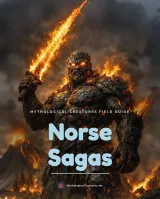
Norse Sagas: A field guide to the beasts of the Viking world
Drawn from the saga accounts themselves, with the powers, weaknesses and doom of each being set out.
the legend in five swipes.
Reach myth fans
Connect your myth-driven brand with this audience
Our readers are writers, educators, gamers, and collectors who care about mythology. Enquire about a limited sponsor placement on creature pages.
Enquire about sponsorshipQuick Creature Info
Origin:
Features:
Our Mythic Legendary Rating:

Habitat:
Supernatural Powers:
Physical Attributes:
Abilities:
Behavior:
Weaknesses:
Lore:
Related Creatures, Tales or Lore
References
Discover Another Mythical Legend You May Not Have Heard Of?
Uncover the mysteries of ancient folklore and expand your knowledge of legendary beings from cultures around the world.
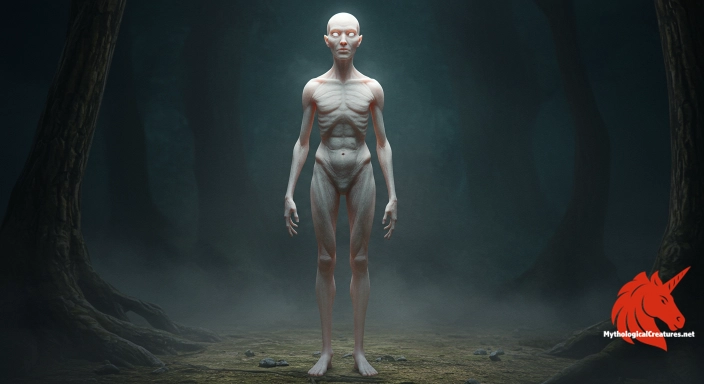
Dare to Meet the Chepi....
The Mythological Creatures Book Series
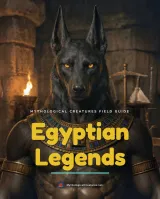
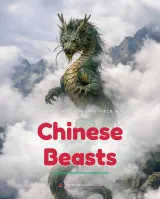
Yokai, Greek, Norse, Egyptian & Chinese. Five illustrated field guides to the creatures the old stories either warned or told you about.
Curated by the Mythological Creatures Team
Series editor: Mythological Creatures Directory
Primary desk: Asian & Pacific Myth Cycles Desk
(rev. November 2025)