
La Diablesse: La Diablesse, also known as Ladjablès, is a diabolic figure in Caribbean folklore whose origin lies in the tragic fate of an enslaved African woman.

La Diablesse
La Diablesse - Her legend serves as a warning against vanity and the peril of making pacts with malevolent forces, while also reflecting the complex cultural and historical dynamics of the Caribbean.
the legend in five swipes.
the legend in five swipes.
The Earliest Known Accounts of La Diablesse
La Diablesse emerges from the rich tapestry of Caribbean folklore as a figure both alluring and enigmatic, whose origins trace back to the African diaspora. Born from the painful history of enslavement, she is said to have sacrificed her mortal soul to secure eternal beauty, marking her transformation into a demi-demon. Her legend is deeply interwoven with the colonial past, where African, European, and indigenous influences converged to create multifaceted mythic narratives. The tale reflects a striking contrast between the seduction of beauty and the eternal burden of a dark pact. Early attestations of her story can be found in the oral traditions passed down through generations, where her spectral presence served as both a warning and a symbol of resistance. Local communities long described her as a tragic figure, whose beauty concealed an inner torment wrought by the forces of the supernatural. The narrative of La Diablesse encapsulates themes of loss, transformation, and the cost of ambition in a world shaped by colonial strife. Her enduring allure and dangerous mystique have made her a timeless figure, continuing to fascinate and caution those who encounter her legend.
Which versions of the La Diablesse story survive?
Stories of La Diablesse are primarily preserved through the vibrant oral traditions of the Caribbean, with numerous folktales recounting her spectral wanderings and chilling encounters. Early narratives, though rarely documented in formal texts, have been transmitted across generations, evolving through the voices of storytellers in rural communities. These variants of her tale are found in regions such as Trinidad, Tobago, and other Caribbean islands, where the blend of African heritage and colonial influence is palpable. Some versions depict her as a seductive guide whose warning is veiled in beauty, while other renditions emphasise her role as an omen of misfortune. The narrative is often interwoven with parables that caution against moral compromises and the seductive lure of eternal beauty. While there are scant references in early colonial archives, later compilations of Caribbean folktales offer richer detail and regional colour. Each retelling imbues La Diablesse with subtle differences, reflecting the storyteller's context and the community's evolving values. The multiplicity of versions underscores the dynamic nature of folklore, where truth and myth mix to create a living, adaptable legend. These layered and sometimes contradictory portrayals contribute to a complex portrait that has evolved over centuries.
What powers did La Diablesse have?
La Diablesse is frequently depicted as an uncanny blend of exquisite beauty and otherworldly terror, her appearance embodying a haunting duality rarely found in folklore. Her visage is often described as impossibly attractive, radiating an ethereal glow that captivates any who dare to gaze upon her. Yet beneath this beguiling exterior lie elements that betray her supernatural bargain: her lower limbs are sometimes shown as being grotesquely transformed, with a cloven or hoof-like quality that hints at her infernal roots. Many narratives suggest that a billowing skirt or long flowing dress conceals these cursed appendages, preserving her mystique while simultaneously warning of the peril that lies beneath. Detailed accounts describe her hair as dark and lustrous, framing eyes that sparkle with both seduction and a quiet, sorrowful menace. The contrast between her flawless upper form and her distorted lower half serves as a physical metaphor for the cost of her unholy pact. In some versions of the myth, delicate jewellery or traditional adornments further emphasise remnants of her mortal identity, adding complexity to her character. Variations in her size and proportions are noted across regions, reflecting the diverse artistic interpretations of her form. The striking imagery of La Diablesse—one that juxtaposes alluring beauty with demonic disfigurement—continues to capture the imagination of those who encounter her legend.
La Diablesse: Local Variations in the Story
Across the diverse islands of the Caribbean, the portrayal of La Diablesse adapts to regional cultural influences and historical experiences. In some communities, she is revered as a tragic seductress whose sorrow is as palpable as her beauty, a poignant reminder of the struggles borne of colonial oppression. In Trinidad and Tobago, for example, locals often emphasise her mysterious nocturnal presence and the distinct feature of a hidden, cloven foot, which is both a curse and a symbol of her otherworldly nature. Other islands adapt her tale to reflect indigenous beliefs, blending elements of animism with African spiritual practices and Christian symbolism. Certain narratives imbue her character with a protective edge, suggesting that despite her dangerous allure, she may serve as a guardian of particular natural landmarks or local customs. Variations of her story also highlight differing moral lessons; while some communities focus on the dire consequences of her infernal bargain, others evoke sympathy for the woman who lost her humanity. This rich mosaic of interpretations underscores the adaptability of folklore, where stories shift to mirror the societal and cultural contours of each region. Each local incarnation of La Diablesse speaks to the unique historical experiences and spiritual beliefs of its community, making her a truly pan-Caribbean figure. Such regional diversity ensures that her myth remains dynamic, continually reshaped by those who keep it alive.
Which figures are similar to La Diablesse?
The story of La Diablesse shares intriguing parallels with a variety of mythological figures from diverse cultures, linking her to a broader narrative of dangerous seductresses and otherworldly bargains. Her transformative pact, mirroring the Faustian bargain, resonates with tales across Europe where characters trade their souls for transient earthly gains. Similar to the enchanting yet perilous sirens of Greek myth, she embodies the irresistible lure of beauty paired with fatal consequences. Her dual nature also finds echoes in the lore of the succubus, a demon that preys on mortal desire, and in other female entities within African and Latin American folklore. This blending of beauty and beastliness speaks to a universal archetype where the allure of the forbidden conceals darker truths. La Diablesse’s narrative can be viewed alongside figures such as Lamia or even certain interpretations of the fae, where transformation and the loss of self are central themes. Comparative analysis reveals that her legend is not an isolated phenomenon but part of a widespread cultural motif that warns of the perils of seduction. Cross-cultural narratives often employ such figures to encapsulate anxieties surrounding sexuality, power, and the supernatural. Her mythical journey—from a condemned mortal to a demonic enigma—provides rich ground for understanding how different societies use similar symbols to explore complex human experiences. These shared themes underscore a global fascination with the interplay of desire, sacrifice, and the supernatural.
How has La Diablesse changed over time?
Over the centuries, the figure of La Diablesse has undergone significant transformation, reflecting the shifts in cultural attitudes and artistic sensibilities. Initially emerging from the oral traditions of a community grappling with the harsh realities of colonial exploitation, her myth was a stark cautionary tale about the perils of vanity and moral compromise. As documented through generations, early depictions were unambiguous in their portrayal of beauty corrupted by an infernal bargain, serving as a moral lesson for vulnerable souls. In the modern era, however, her character has been reinterpreted with a greater sense of nuance and sympathy, often seen as a tragic victim of both fate and circumstance. Contemporary literature, theatre, and visual arts have embraced her as a symbol of the enduring scars left by historical injustice, while also exploring the empowering aspects of her enigmatic allure. Modern adaptations frequently recast her not merely as an agent of doom, but as a complex figure caught between the realms of beauty and damnation. This evolution mirrors broader trends in how society reconsiders traditional legends in light of modern understandings of gender, identity, and trauma. Her presence in popular media has sparked discussions on the intersection of folklore and cultural memory, especially in post-colonial narratives. The legacy of La Diablesse is thus multifaceted—a fusion of caution, sorrow, and an ever-present allure that continues to inspire reinterpretation. Her story remains a potent reminder of the ways in which folklore can simultaneously capture historical pain and serve as a beacon for modern reflection on power, beauty, and redemption.
Interesting Fact
An intriguing aspect of La Diablesse is how her legend merges themes of victimhood and empowerment, reflecting the complex interplay of cultural identity, historical trauma, and supernatural allure in Caribbean folklore.
Mythological Treasures
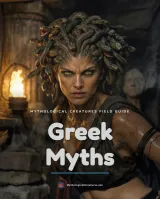
Greek Myths: A field guide to the monsters of ancient Greece
Every monster here earned its place in legend, and each gets a full page of artwork and the story behind it.
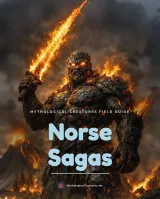
Norse Sagas: A field guide to the beasts of the Viking world
Drawn from the saga accounts themselves, with the powers, weaknesses and doom of each being set out.
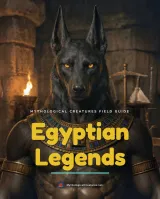
Egyptian Legends: A field guide to the gods and monsters of ancient Egypt
Guardians of the living and devourers of the dead, with the role each played in judgement.
the legend in five swipes.
For authors, artists, and makers
Created something from the realm of myth?
If your book, deck, game, or artwork draws from legendary creatures and lore, you can showcase it here in a tasteful, year-round placement.
Share your projectQuick Creature Info
Origin:
Associations:
Our Mythic Legendary Rating:

Also Sometimes Known As:
Habitat:
Supernatural Powers:
Physical Attributes:
Abilities:
Behavior:
Lore:
Related Creatures, Tales or Lore
References
Discover Another Mythical Legend You May Not Have Heard Of?
Uncover the mysteries of ancient folklore and expand your knowledge of legendary beings from cultures around the world.
Dare to Meet the Castor and Pollux....

The Mythological Creatures Book Series
Yokai, Greek, Norse, Egyptian & Chinese. Five illustrated field guides to the creatures the old stories either warned or told you about.


Curated by the Mythological Creatures Team
Series editor: Mythological Creatures Directory
Primary desk: African & Diaspora Traditions Desk
(rev. November 2025)