
Lwa: Lwa are spiritual entities in Haitian Vodou that act as intermediaries between humans and the divine.
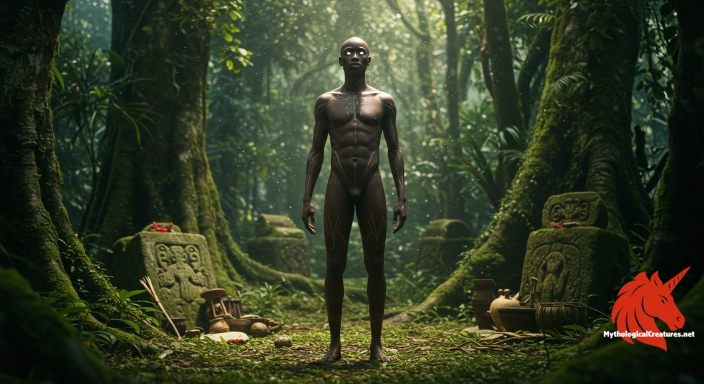
Lwa
Lwa - Central to Vodou practices, embodying the connection between the divine and the mortal realms
the legend in five swipes.
the legend in five swipes.
Where do the Lwa come from?
The lwa are a diverse array of spiritual entities that occupy a central role in Haitian Vodou, Dominican Vudú, and certain revivalist forms of Louisiana Voodoo. Born from the rich tapestry of West African religious traditions, especially those of the Fon and Yoruba people, the lwa have come to serve as vital intermediaries between humanity and the transcendent creator, Bondye. Their emergence is closely intertwined with the historical experience of the Atlantic slave trade, through which enslaved Africans brought their spiritual practices to new lands. Over time, each lwa has acquired its own distinctive personality, colours, and associated objects, mirroring facets of both indigenous deities and the influences of Roman Catholicism. In ritual settings, these spirits not only provide guidance and healing but also embody a dynamic bridge connecting the earthly realm with the divine. Their presence is celebrated and invoked during ceremonies that involve possession, divination, and the exchange of offerings, highlighting a vibrant relationship with their devotees. The adaptability of their identities across different regions and eras underscores the fluid nature of diaspora religious practice. As such, the lwa remain a living symbol of resilience, transformation, and cultural continuity for communities scattered across the Caribbean and the Americas. Their evolving mythos continues to inspire both reverence and scholarly interest in understanding the interplay between tradition and modernity.
Where can you read about the Lwa?
The narratives surrounding the lwa are primarily sustained through a rich blend of oral traditions, ritual performances, and sporadic written records that span centuries. Early ethnographic reports and firsthand accounts from Vodou practitioners have helped to preserve these stories, even if much of the original context remains embedded in oral lore. Diverse accounts, collected from ceremonies and dream interpretations, reveal that the lwa are multifaceted beings whose traits may vary by region and by the community that venerates them. Ritual songs, chants, and proverbs play a crucial role in recounting the tales and attributes of these spirits, ensuring that each generation inherits a living connection with its past. Over time, competing narratives have emerged, offering contrasting depictions of individual lwa within various nanchon, or nations. Some traditions emphasise the benevolent, protective aspects of certain lwa while others highlight their more tempestuous natures. This variety of story variants is further enriched by revivalist movements and the re-interpretation of traditional lore in modern contexts. Written accounts, though less numerous, have also contributed to the academic understanding of the lwa, complementing the dynamic oral tradition. The interplay between these differing sources renders the overall mythos both complex and adaptable. Such layered narratives reflect the evolving spiritual identities of communities shaped by historical experiences and cultural exchanges.
How powerful did people believe the Lwa to be?
The physical representation of the lwa is as fluid and multifarious as the communities that hold them sacred. Rather than a fixed corporeal form, they are most often depicted through symbolic images, statues, and ritual artefacts that encapsulate their distinct attributes. Many of these representations employ a vivid palette of colours—reds, blues, whites, and blacks—that serve as visual signatures for the various lwa. Iconography associated with these spirits often includes items such as keys, staffs, bells, and masks, each of which imbues the depiction with layers of meaning. Some lwa are illustrated with human traits, reflecting their role as intermediaries, while others are portrayed with animalistic or abstract features that allude to their mystical origins. The artistic portrayals vary considerably, allowing for individual interpretations that align with the specific attributes of each spirit. Representations also tend to mirror the duality of their character, mixing both benevolent and formidable elements in a single image. Through ritualistic possession, practitioners themselves sometimes become living embodiments of the lwa, adding yet another dimension to their physical depiction. This dynamic interplay between form and symbol reinforces the lwa’s presence in both the tangible and intangible realms. The continual reinvention of their physical representations underscores an enduring artistic dialogue with cultural identity and spiritual symbolism.
Lwa: Local Variations in the Story
The regional variations in the worship and depiction of the lwa highlight notable adaptations as these spirits traversed geographical and cultural boundaries. In Haitian Vodou, the lwa occupy the heart of ritual practices, with well-defined roles within the Petwo and Rada nanchon. In contrast, Dominican Vudú has integrated local customs and diverse influences that result in subtle shifts in the narratives and attributes of these spirits. In places like Louisiana, where Haitian migrants introduced Vodou practices, the lwa have blended with elements of Cuban Santería and other African diasporic beliefs, generating a unique regional tradition. These adaptations extend to ritual practices, iconography, and the ceremonial language used to invoke and honour the lwa. Differences in artistic depictions, choice of symbols, and even the designated colours reflect the local cultures’ distinct aesthetic and spiritual needs. Yet, despite these variations, the core function of the lwa as bridges between the divine and the mortal remains consistently acknowledged. Localised forms of worship often mirror the community’s historical experiences and social dynamics, leading to specific ritual adaptations. Through a dynamic interplay of adaptation and continuity, regional practices enrich the overall tapestry of belief. Such diversity exemplifies the way in which the lwa have been embraced and reinterpreted across the Caribbean and the Americas, ensuring their relevance in ever-changing cultural landscapes.
Lwa: Counterparts Around the World
Examining the lwa alongside other mythological figures reveals striking similarities as well as distinct differences that underscore their unique roles in spiritual practice. Much like the Yoruba orisha, the lwa function as intermediaries who connect the human and divine realms, offering guidance through both ritual and dream interpretation. Their syncretism with Roman Catholic saints is indicative of a broader pattern where indigenous spiritual systems absorb and reinterpret elements from external religious traditions. This blending is reminiscent of the ways in which other diasporic religious traditions have integrated cultural motifs to create a hybrid form of worship. Also, the possession rituals carried out by practitioners share commonalities with shamanistic practices found in various indigenous cultures around the world, where the divine temporarily inhabits the human body to deliver messages and healing. The symbolic language employed—encompassing colours, objects, and gestures—finds echoes in comparable mythologies that celebrate the dual nature of divinity and humanity. While each tradition affords its deities and spirits singular cultural inflections, the comparative study illuminates universal themes of transformation, protection, and moral guidance. Moreover, the fluid identities of the lwa invite comparisons with other deities who possess multifaceted and adaptable characters in their respective mythologies. This cross-cultural analysis not only highlights the uniqueness of the lwa but also positions them within a wider context of human spiritual endeavour. Such parallels underscore the enduring need across societies to personify and negotiate the mysteries of existence through spiritual intermediaries.
How are the Lwa remembered today?
The historical evolution of the lwa spans centuries, reflecting a transformative journey from traditional West African spirituality to a modern symbol of cultural resilience and identity. Their early depictions were intimately connected to the lived experiences of enslaved Africans in the New World, whose spiritual practices were reshaped by the forces of colonialism and diaspora. As these communities forged new identities in the Caribbean and the Americas, the lwa became central figures in establishing a sense of continuity and resilience. Over time, their representations have shifted from modest oral traditions and clandestine ceremonies to a recognised component of cultural identity and global spiritual discourse. Modern artistic and literary expressions have reimagined the lwa, celebrating them as icons of empowerment and as emblems of resistance against historical oppression. Revivalist movements, particularly in Louisiana, have invigorated the lwa tradition, merging historical practices with contemporary spiritual and social narratives. Their role in providing healing, advice, and transformation has secured their place not only in ceremonial life but also within broader cultural discussions on identity and ancestry. Contemporary scholarship and media have contributed to a renewed interest in the lwa, thereby ensuring that these ancient spirits continue to inspire and evolve. This enduring legacy illustrates the adaptive power of the lwa, bridging ancestral wisdom with modern aspirations. In today’s world, they remain vibrant symbols of heritage, spirituality, and the perpetual dialogue between past and present.
Interesting Fact
An interesting aspect of the lwa is their syncretism with Catholic saints, which exemplifies the adaptive nature of Vodou in blending African spiritual traditions with European religious influences.
Mythological Treasures
Japanese Yokai: A field guide to the spirits and demons of Japanese folklore
Fifteen spirits, with the signs to watch for and what the old tales say to do if you meet one.
Greek Myths: A field guide to the monsters of ancient Greece
Every monster here earned its place in legend, and each gets a full page of artwork and the story behind it.
Norse Sagas: A field guide to the beasts of the Viking world
Drawn from the saga accounts themselves, with the powers, weaknesses and doom of each being set out.
the legend in five swipes.
Mythology-aligned partners
Showcase your myth-friendly brand here
Run a store, studio, or platform that lives in the world of myth and folklore? A curated sponsor panel on these pages may fit.
Explore partnership optionsQuick Creature Info
Origin:
Features:
Associations:
Our Mythic Legendary Rating:

Also Sometimes Known As:
Habitat:
Supernatural Powers:
Physical Attributes:
Abilities:
Behavior:
Lore:
Related Creatures, Tales or Lore
- OOrisha
- KKami
- FFae
References
Discover Another Mythical Legend You May Not Have Heard Of?
Uncover the mysteries of ancient folklore and expand your knowledge of legendary beings from cultures around the world.
Dare to Meet the Sila....
-1e3c6160-3745-4090-9d4b-31f0f067ff3a_small.webp "Depiction of Sila")
The Mythological Creatures Book Series
Yokai, Greek, Norse, Egyptian & Chinese. Five illustrated field guides to the creatures the old stories either warned or told you about.
Curated by the Mythological Creatures Team
Series editor: Mythological Creatures Directory
Primary desk: African & Diaspora Traditions Desk
(rev. November 2025)