
Mainaka: Mainaka is a mountain deity from the Hindu epic Ramayana, known for assisting Hanuman in his journey to Lanka.

Mainaka
Mainaka - Mainaka embodies the eternal strength and protective essence of the mountains, playing a crucial role by aiding Hanuman and symbolizing the divine connection between nature and the gods.
Origins & First Encounters
Mainaka emerges as a singular figure in Hindu mythology, celebrated as a mountain deity whose very essence is intertwined with the majestic Himalayan landscape. Born of Himavan and Mena, his origins are steeped in the ancient traditions of the Ramayana, where natural elements are personified with divine qualities. His lineage, which connects him to the goddess Parvati, underscores a profound familial bond among deities and highlights the sanctity of the natural world. In these timeless narratives, Mainaka is not merely an inert mountain but a living embodiment of natural strength and resilience. His benevolence is particularly evident in his notable alliance with Hanuman, where he provides safe passage and support during epic quests. The early texts introduce him as a powerful guardian of the natural order, symbolising both the physical might and spiritual purity of the mountains. His role reflects a delicate balance between nature and divinity, capturing the imagination of those who revere the landscape. Over centuries, his character has evolved from a fleeting mythic presence into a celebrated emblem of natural harmony and divine intervention. As part of a broader pantheon, Mainaka represents the eternal charm of the wilderness and the protective force of the earth. His enduring image continues to inspire awe among devotees and scholars alike.
Source Texts & Tale Variants
Mainaka finds his primary literary reference in the ancient epic of the Ramayana, where his intervention during Hanuman’s journey to Lanka is briefly but vividly depicted. This canonical source lays the groundwork for an array of narratives, inviting later commentators and folk storytellers to elaborate on his divine attributes. Although the original texts provide only a succinct mention, subsequent Puranic literature and regional legends have enriched his story with additional layers of meaning. Many oral traditions have embraced his character, portraying him as an ever-ready guardian who aids heroes in moments of great need. Variants of the story sometimes diverge in their details, emphasising different aspects of his role as a facilitator and protector. In local retellings, his intervention is celebrated as a divine act that underscores the intimate relation between sacred geography and heroic endeavours. These story variants reveal a creative fluidity, where minor details are reimagined to resonate with the local cultural milieu. The intertwined narratives from both classical texts and popular lore ensure that Mainaka is remembered as a vital, albeit understated, actor in the mythic drama. His figure continues to thrive in diverse cultural expressions, testifying to the dynamic nature of myth-making. In this interplay between canonical and vernacular sources, Mainaka’s narrative has been continuously reinterpreted, reflecting the evolving spiritual sensibilities of his devotees.
Form & Powers
In artistic and literary depictions, Mainaka is envisioned as a colossal mountain endowed with both an overwhelming physical presence and a subtle, sentient quality. His form is often illustrated with rugged, weathered contours that mirror the age-old rock formations of the Himalayas. At times, impressions of his visage incorporate human-like features—a serene countenance, calm eyes carved from stone, and a majestic silhouette that transcends the ordinary. Snow-capped peaks and craggy textures imbue his form with an aura of solemn grace and elemental power. The interplay of jagged edges and softer, moss-covered slopes reflects the natural balance between strength and fertility. Some iconographic traditions even depict him with symbolic elements, such as flowing drapery-like formations or ornamental motifs that hint at divine regalia. This anthropomorphic portrayal blends the literal and the metaphorical, inviting observers to consider the mountain as both a mass of rock and a living deity. Each detail, from the fissures in his stony armour to the gentle curves where nature takes over, tells a story of an ancient, enduring force. Variations in his depiction illustrate both the stark and the sublime qualities of the natural world. The rich visual imagery encapsulates not only his physical enormity but also his spiritual mission as a guardian of sacred spaces.
Regional Faces
Across different regions of India and its neighbouring cultures, Mainaka’s character is adapted to reflect local geographical and spiritual sensibilities. In the Himalayan belt, he is venerated as the very embodiment of the rugged landscape, with communities praising him for offering refuge and safe passage in hostile terrains. In these areas, local rituals and folklore often depict him as a protective spirit whose blessings ensure the safety of travellers and pilgrims. Elsewhere, variations in his narrative subtly shift his role from a physical mountain to a more symbolic guardian, fitting seamlessly into regional religious practices. Some communities recount additional miracles and benevolent interventions associated with his presence, reinforcing his status as a divine mediator between nature and humankind. These adaptations highlight how his myth serves as a cultural bridge, connecting the cosmic and the terrestrial. The visual portrayal of Mainaka can differ too, ranging from stark, unyielding stone faces to more embellished figures adorned with natural ornaments, reflective of local artistic traditions. Such regional interpretations underscore a common reverence for nature while allowing for a diverse range of mythic expressions. By integrating unique local elements, his figure accommodates specific cultural narratives while maintaining a unifying core of divine strength. In this way, his legacy is both universal and distinctly regional, resonating with varied communities across the subcontinent.
Cultural Parallels
Mainaka occupies a distinctive niche among mountain deities, inviting comparison with other cultures’ embodiments of the natural world. His role, as both an active guardian and a symbol of natural grandeur, finds echoes in the legendary Oreads of ancient Greece, where mountains are similarly deified. In various traditions, the mountains function as sanctuaries inhabited by spiritual forces, and Mainaka stands shoulder to shoulder with these global archetypes. Like the Andean Apus, who are venerated as protectors of both nature and people, Mainaka represents a fusion of geographical might and benevolent oversight. His active participation in mythic events, such as aiding heroic figures, mirrors the narrative functions of similar deities across diverse cultures. The humanizing of natural features—imbuing them with wisdom and agency—illustrates a universal tendency to bridge the gap between the animate and the inanimate. Such cross-cultural comparisons reveal that while the specific narratives may differ, the underlying impulse to sanctify natural phenomena is remarkably consistent. Mainaka’s portrayal, with its blend of rugged physicality and spiritual subtlety, offers a fresh perspective on the common theme of nature as a living, guiding force. This comparative framework highlights the interconnectedness of global mythologies, where mountains are not merely backdrops for human action but active participants in the divine drama. Ultimately, his character underscores a timeless dialogue between humanity and the earth, a dialogue that transcends cultural boundaries.
Legacy & Modern Evolution
Mainaka’s myth has undergone a significant transformation from his early mention in the Ramayana to his rich reinterpretation in modern cultural expressions. His role, once confined to a brief but pivotal narrative function, has expanded into a symbol of nature’s indomitable spirit and protective grace. Over the centuries, his image has found a home in various art forms, temple iconographies, and literary adaptations, each reflecting the socio-cultural dynamics of its time. Modern retellings often cast him as a guardian of environmental stewardship, emblematic of the enduring relationship between sacred landscapes and human communities. His enduring relevance is celebrated not only in traditional rituals but also in contemporary art and literature, where he represents the resilience of natural forces. As a divine personification of mountains, Mainaka has come to embody both historical values and modern aspirations towards ecological balance. The evolution of his narrative reflects a broader shift in cultural priorities, with nature increasingly recognised as a subject of both admiration and conservation. His image, continually reimagined by modern creators, serves as a timeless reminder of the spiritual depths inherent in the natural world. The vibrant legacy of Mainaka thus reinforces a deep cultural memory, merging ancient myth with modern ideals. His myth persists as a potent symbol, resonating with anyone who honours the sublime power of nature.
Interesting Fact
An intriguing aspect of Mainaka is that, despite his immovable and towering nature as a mountain, he actively participates in divine narratives, highlighting the unique interplay between nature and spirituality in Hindu mythology.
Partner with Mythological Creatures
Bring your myth-based world into ours
From game settings to narrative worlds, we work with partners who treat myths with care. Share your project for a potential sponsor slot.
Partner with usQuick Creature Info
Associations:
Our Mythic Legendary Rating:

Also Sometimes Known As:
Habitat:
Supernatural Powers:
Physical Attributes:
Abilities:
Behavior:
Lore:
Related Creatures, Tales or Lore
- HHimavan
- OOurea
- MMount Meru
References
Discover Another Mythical Legend You May Not Have Heard Of?
Uncover the mysteries of ancient folklore and expand your knowledge of legendary beings from cultures around the world.
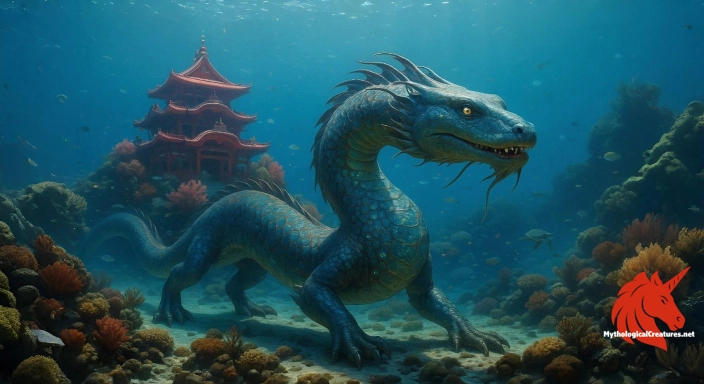
Dare to Meet the Ryūjin....
Curated by the Mythological Creatures Team
Series editor: Mythological Creatures Directory
Primary desk: Asian & Pacific Myth Cycles Desk
(rev. November 2025)