
Mare: The mare is a malevolent spirit from Germanic and Slavic folklore known for terrorising individuals by sitting on their chests during sleep and inducing nightmares.
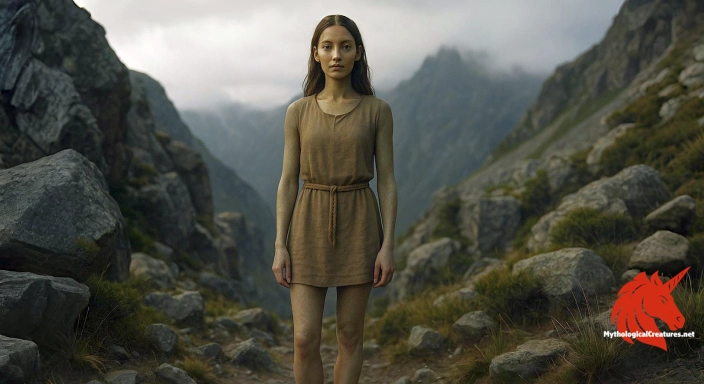
-7a4af074-9174-4733-adf5-0956e7bd8182_small.webp "Mare - Explains the causes of nightmares and sleep paralysis in ancient belief systems")
Mare
Mare - Explains the causes of nightmares and sleep paralysis in ancient belief systems
Origins & First Encounters
The mare is a mysterious and formidable figure rooted in ancient European myth, known for its uncanny ability to disturb the sleep of its victims. Born from the rich folklore of Germanic and Slavic cultures, this entity has long been associated with the intrusion of dread into the realm of dreams. Its origins can be traced back to early medieval societies where inexplicable night-time experiences demanded supernatural explanations. The first attestations of the mare appear in records written in Old English, Old Dutch, and Proto-Slavic tongues, integrating her into a diverse cultural tapestry. Many communities regarded her as an oppressive spirit that silently crept into beds, pressing down on the chest of the sleeper. Her presence provided a tangible explanation for the phenomena now recognised as sleep paralysis, encapsulating both physical and emotional terror. As a result, her legend became intertwined with human vulnerabilities and the nebulous boundaries between wakefulness and the dreamworld. Over time, the tale of the mare has evolved, adapting to changing societal fears while maintaining its core element of nocturnal malevolence. The enduring narrative of the mare continues to evoke both awe and apprehension, a testament to the power of folklore to capture the deepest anxieties of the human spirit. This mythic figure remains a striking emblem of the tension between rationality and the mysterious forces lurking in the dark.
Source Texts & Tale Variants
A wealth of ancient texts and oral traditions has preserved the legend of the mare, offering a window into the beliefs of early European societies. Medieval manuscripts and folklore collections provide diverse accounts, each contributing subtle differences to her character and deeds. Texts written in Old High German, Old Norse, and other early languages often embed her narrative among broader mythological themes, suggesting a common cultural interpretation of sleep terrors. In some recorded versions, the mare is depicted as an almost tangible shadow, while other accounts lend her an air of ethereal mystery. Her recurrent presence in these stories not only underscores her significance but also reflects the widespread effort to decode unsettling nocturnal experiences. The transmission of her legend through generations ensured that even minor variations in her story became part of an expansive mythos. Scribes and storytellers, through their vivid depictions, cemented her reputation as a nightly visitor with a chilling touch. As folklore evolved, the mare's tale was adapted in different regions to incorporate local superstitions and moral lessons, further diversifying her portrayal. Oral tradition and written records together form a layered source of insight, revealing how the experience of night terrors was universally interpreted. These multiple narratives collectively underscore the mare’s role as a repository for humanity’s ancient fears.
Form & Powers
Descriptions of the mare are as elusive as they are varied, often defying a single, fixed image. In many traditional accounts, she is rendered as a shadowy, indistinct figure whose form seems to dissolve into the darkness of night. Some depictions hint at an almost human silhouette, while others suggest subtle equine features that echo the creature’s very name. Her physical presence is typically described as oppressive, with the sensation of weight pressing down on the chest of those she visits. Often, observers have reported fleeting images of glowing eyes and elongated limbs, lending an otherworldly quality to her appearance. A few narratives describe wisps of hair or garments that flutter like ghostly mists, enhancing her spectral allure. The mare’s size and shape fluctuate across accounts, mirroring the subjective nature of dream-induced terror. Her form appears to be a moving enigma, simultaneously present and elusive in the minds of those who experience her. This fluidity in physical description only deepens the mystery, allowing each encounter to contribute to her multifaceted portrait. In essence, her appearance is a collage of dark impressions—each as transient and haunting as the dreams she invades.
Regional Faces
The interpretation of the mare shifts subtly as one traverses different cultural landscapes across Europe. In Germanic regions, she is frequently depicted as a solitary spectre that haunts secluded countryside dwellings, evoking a brooding sense of isolation. Meanwhile, in Slavic traditions, the mare often assumes a more complex and layered persona, entwined with local beliefs about destiny and the supernatural. Some regional tales imbue her with a near-ritualistic significance, transforming her into a harbinger whose appearance heralds impending misfortune. Local adaptations sometimes incorporate motifs unique to regional lore, such as the interplay of moonlit shadows and ancestral spirits. In parts of Eastern Europe, folk narratives blend her image with that of other night-bound entities, creating a rich tapestry of spectral visitations. Community-specific superstitions have, over time, added unique symbols and omens to her character, reflecting the particular fears of each culture. These variations highlight the adaptability of her myth, as each society refines her image to resonate with local experiences of night terrors. Ultimately, the regional diversity in her portrayal underscores the universal nature of fear while celebrating the unique cultural expressions that shape mythological narratives.
Cultural Parallels
The mare shares intriguing parallels with nocturnal entities found in mythologies across the globe, illustrating a common human attempt to personify the terror of the unknown. Much like the often-recounted incubus or the enigmatic shadow people of modern lore, she embodies the inexplicable presence experienced by those caught between sleep and wakefulness. Her role as a disruptor of peaceful slumber resonates with narratives from other cultures that feature night demons and sleep-invaders. This cross-cultural phenomenon underscores a universal impulse to explain the mysterious sensations of sleep paralysis and overwhelming dread. The similarities extend to the dual nature of such entities, which serve as both literal presences in disturbed slumber and metaphors for deeper psychological fears. Comparative folklore analyses reveal that despite differences in detail, many societies construct similar figures to articulate the fragility of human consciousness at night. Such mythical figures often transcend their original cultural contexts, finding echoes in modern horror and psychological studies alike. The mare’s embodiment of night-time terror thus joins a broader lexicon of creatures that symbolise humanity’s most profound anxieties. These parallels provide rich material for understanding how diverse communities have used myth to navigate the blurred boundaries between the natural and supernatural realms. In comparing these figures, one sees that the essence of what the mare represents—a confrontation with the dark, irrational aspects of the mind—is a theme as old as humanity itself.
Legacy & Modern Evolution
The evolution of the mare from a folklore figure into a symbol embedded in modern parlance highlights the fluid nature of myth and its ability to adapt over time. In bygone eras, her legend was a practical explanation for the dreaded sensation of sleep paralysis, a mystery that baffled early observers of the night. With the passage of time, scientific advances have demystified many aspects of sleep, yet the symbolic power of the mare endures in language and art. The term 'nightmare', now widely understood to denote a bad dream, owes its etymology to this ancient spirit. Modern interpretations often blend gothic horror with psychological insight, illustrating the mare as both a literal demon and a metaphor for inner fears. Contemporary literature and cinema continue to tap into her image, using it to evoke an atmosphere of pervasive dread and existential uncertainty. Artistic depictions frequently reimagine her in a variety of forms, reflecting both traditional elements and new perspectives on mental and emotional vulnerability. This modern reimagining ensures that the mare remains a potent cultural symbol, capturing the timeless interplay between myth and the human psyche. Her persistent legacy is a testament to the enduring nature of folklore, capable of morphing to mirror the concerns of each successive generation. In every retelling, the mare serves as a reminder of the dark, mysterious forces that lie at the threshold of sleep and wakefulness.
Interesting Fact
The very term 'nightmare' is derived from the concept of the mare, underscoring its profound influence on our cultural understanding of sleep disturbances and nocturnal terror.
Sponsor this space
Tasteful, fixed-fee placements for myth projects
No bidding wars or flashing banners. We offer simple placements for a small set of creators and brands aligned with our readers.
Request further detailsQuick Creature Info
Our Mythic Legendary Rating:

Also Sometimes Known As:
Habitat:
Supernatural Powers:
Physical Attributes:
Abilities:
Behavior:
Weaknesses:
Lore:
Related Creatures, Tales or Lore
References
Discover Another Mythical Legend You May Not Have Heard Of?
Uncover the mysteries of ancient folklore and expand your knowledge of legendary beings from cultures around the world.
Dare to Meet the Nûñnë'hï....
Curated by the Mythological Creatures Team
Series editor: Mythological Creatures Directory
Primary desk: Northern & European Folklore Desk
(rev. November 2025)