
Maricha: Maricha is a rakshasa from the Hindu epic Ramayana, infamous for his deception and shape-shifting abilities, particularly his transformation into a golden deer.

Maricha
Maricha - His actions highlight themes of deception and betrayal, serving as a cautionary tale within Hindu mythology.
the legend in five swipes.
the legend in five swipes.
Where in the world does Maricha come from?
Maricha emerges as one of the more complex figures in the Hindu epic, defined by both his fearsome nature and his deceptive cunning. Born into a lineage cursed with rakshasa tendencies, his early existence was marked by rebellion and mayhem in the forests frequented by sages. His origins are intertwined with the tragic fate imposed upon his mother, Tataka, and his brother, Subahu, rendering him a perpetual outcast from celestial grace. In the grand narrative of the Ramayana, Maricha’s first major appearance captures the imagination with his bold defiance and later, his pivotal role as the golden deer. His actions were instrumental in setting off the chain of events that led to the epic confrontation between cosmic forces. Over time, he has come to represent the archetypal tragic villain whose destiny was sealed by factors beyond his control. His narrative is not merely about evil, but the inevitable consequences of curses and broken familial bonds. Maricha’s story remains deeply embedded in the cultural memory, symbolising the fine line between mischief and malevolence.
What are the earliest texts about Maricha?
The primary textual backdrop for Maricha’s character is the ancient epic Ramayana, which provides detailed accounts of his deeds and transformation. Ancient Sanskrit scriptures portray him as a menacing rakshasa whose defiance never waned even in the face of divine intervention. Various retellings, including those in regional renditions such as the Kamba Ramayanam and later adaptations, embellish his exploits with additional dramatic flair. His most notorious role in the abduction of Sita is detailed in classical texts, highlighting the ingenuity behind his transformation into a golden deer. Folk traditions and local theatrical performances across India have adapted his story, sometimes softening his villainous image to add layers of tragic complexity. In some versions, his acts are depicted as both a calculated manoeuvre and a desperate bid for redemption. These story variants illustrate the dramatic interplay between destiny and free will that marks his character. The multiplicity of sources ensures that Maricha remains a subject of diverse narrative interpretations, engaging audiences across generations.
What abilities did Maricha have?
Maricha’s physical depiction is as multifaceted as his character, marked by a blend of monstrous traits and an otherworldly allure. In his natural rakshasa form, he is often portrayed with a towering stature, ferocious fangs, and an intimidating, contorted visage that exudes brute strength. His eyes, burning with a malevolent light, capture the fury and ancient power that lie dormant within him. Yet, it is his ability to transform into the enchanting golden deer that captivates the imagination, merging beauty with peril in a single figure. In this guise, his coat shimmers with a mesmerizing luminescence, and his delicate features mask the danger lurking beneath. Artists and craftsmen have captured this duality over the centuries, often juxtaposing his fierce, wild nature with the serene and deceptive grace of the deer. The stark contrast between his two forms mirrors the thematic conflict between righteousness and deception embedded in the Ramayana. Such elaborate physical descriptions evoke a character who is as unpredictable as he is legendary.
Maricha: The Same Figure in Different Places
Across various regions of India, Maricha’s portrayal exhibits intriguing differences that reflect local cultural sensibilities and narrative emphases. In northern retellings, he is frequently depicted as a ruthless agent of Ravana’s will, reinforcing the epic’s dramatic struggle between good and evil. Southern traditions, on the other hand, sometimes lend a more nuanced interpretation, portraying him as a tragic figure ensnared by fate and cursed lineage. Local folk theatre, such as Ramlila, often incorporates elaborate dance sequences and dramatic expressions to bring vividly to life his transformation into the golden deer. In these performances, his actions are imbued with a blend of sorrow and mischief, suggesting that his wicked deeds were perhaps misdirected by forces beyond his control. Certain regional narratives even hint at a latent potential for redemption, inviting audiences to empathise with his internal conflicts. While the core elements of his story remain intact, the regional variations add layers of emotional depth and complexity. Such adaptations underscore the enduring appeal of Maricha as a mythic character who can evoke both fear and sympathy.
How does Maricha compare to figures in other traditions?
Maricha’s character resonates with a number of similar figures in world mythology, bridging gaps between disparate cultural traditions. Like the trickster deities of Norse and Greek mythology, his cunning exploits and shape-shifting abilities set him apart as a master of disguise and deception. His dual nature, where beauty disguises danger, aligns him with mythic archetypes that present the idea of a deceptive appearance masking an inner malice. In the broader panorama of myth, parallels can be drawn with beings who toe the line between the supernatural and the human, serving as cautionary figures in their respective narratives. His role in precipitating the downfall of a hero mirrors the broader cultural motif where seemingly benign appearances catalyse significant challenges. Despite this, unlike many purely malevolent tricksters, Maricha’s actions evoke a sense of tragic inevitability that provokes reflection on destiny, curses, and moral ambiguity. Comparative analysis reveals that while his methods might echo those of his counterparts in other traditions, his nuanced portrayal in the Ramayana sets him apart. His continuing influence in cross-cultural dialogues further cements his place among the world’s most enduring mythological figures.
Who tells the story of Maricha now?
Throughout the centuries, Maricha’s character has undergone a remarkable evolution in both literature and popular culture. Initially a menacing antagonist in the Ramayana, his narrative has grown richer with each retelling, reflecting wider societal changes and evolving interpretations of morality and fate. In classical dance dramas and folk theatre, his transformation into the golden deer is remembered as a moment of both eerie beauty and treacherous cunning, captivating audiences with its visual splendour. Modern adaptations in television, film, and literature continue to explore his layered personality, often imbuing him with a sense of tragic inevitability. Contemporary storytellers sometimes reframe his role to highlight the thematic tension between destiny and the choice, thereby creating characters that are more sympathetic despite their moral failings. His depiction in visual arts has also evolved, moving from rudimentary illustrations to sophisticated portrayals that capture the mystery of his dual nature. The legacy of Maricha, therefore, lies not only in his direct contributions to the epic narrative but also in his broader influence on the portrayal of flawed antagonists in mythology. As a symbol of the consequences of cursed existence and the transformative power of deceit, his story continues to inspire reinterpretations that engage a modern, culturally diverse audience.
Interesting Fact
An intriguing facet of Maricha's myth is his ability to transform into a golden deer, symbolizing how beauty and allure can be manipulated to conceal underlying malevolence.
Mythological Treasures
Greek Myths: A field guide to the monsters of ancient Greece
Every monster here earned its place in legend, and each gets a full page of artwork and the story behind it.
Norse Sagas: A field guide to the beasts of the Viking world
Drawn from the saga accounts themselves, with the powers, weaknesses and doom of each being set out.
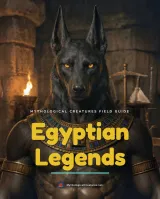
Egyptian Legends: A field guide to the gods and monsters of ancient Egypt
Guardians of the living and devourers of the dead, with the role each played in judgement.
the legend in five swipes.
Advertising opportunity
Showcase your mythology project
We offer limited sponsor placements for books, courses, games, and creators aligned with our audience.
View partnership optionsQuick Creature Info
Features:
Our Mythic Legendary Rating:

Also Sometimes Known As:
Habitat:
Supernatural Powers:
Physical Attributes:
Abilities:
Behavior:
Weaknesses:
Lore:
Related Creatures, Tales or Lore
- RRavana
- TTataka
- KKumbhakarna
References
Discover Another Mythical Legend You May Not Have Heard Of?
Uncover the mysteries of ancient folklore and expand your knowledge of legendary beings from cultures around the world.
Dare to Meet the Psoglav....
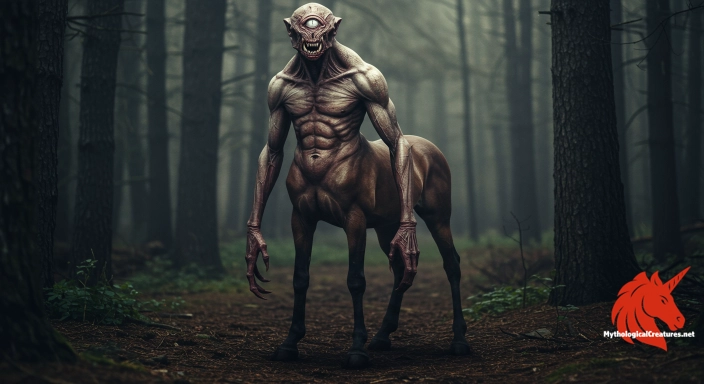
The Mythological Creatures Book Series
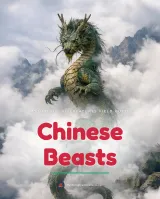
Yōkai, Greek, Norse, Egyptian & Chinese. Five illustrated field guides to the creatures the old stories either warned or told you about.
Curated by the Mythological Creatures Team
Series editor: Mythological Creatures Directory
Primary desk: Asian & Pacific Myth Cycles Desk
(rev. November 2025)