
Moria: Moria is a Naiad nymph from Greek mythology who dwells by the river Hermus.
-5dea3663-f629-4c85-817c-8fcd355f196c_small.webp "Moria - Moria represents the sacred union of water and nature, as symbolised by the olive tree, and exemplifies the reverence ancient Greeks held for natural water sources.")
Moria
Moria - Moria represents the sacred union of water and nature, as symbolised by the olive tree, and exemplifies the reverence ancient Greeks held for natural water sources.
Origins & First Encounters
Moria emerges as a captivating Naiad nymph whose name, meaning 'sacred olive-tree', reflects the ancient Greek reverence for the natural world and its bountiful gifts. Her origins are intertwined with the fertile landscapes surrounding the river Hermus, where the olive tree was a symbol of peace, wisdom, and renewal. Growing up in a culture that celebrated nature’s mysteries, she soon became a personification of life's delicate balance between water and earth. The gentle flow of the Hermus provided a backdrop for her myth, allowing her to thrive in a space where land met flowing water. She was revered by local communities who saw in her an embodiment of both beauty and nature’s resilience. Early attestations of her character appear in modest local accounts and ritualistic practices dedicated to water deities. Her connection with the sacred olive also hints at agricultural prosperity and the hope of regeneration. As the sister of Tylus, she finds herself part of a larger divine family that underscores kinship among the gods of nature. Through her existence, Moria offers a vivid reminder of how the ancients honoured the interwoven forces of water, plant, and spirit.
Source Texts & Tale Variants
Ancient texts and fragmented local inscriptions provide the primary sources for Moria’s myth, even though her story is not as elaborated as those of more prominent deities. Local ritual practices and small-scale dedications in sacred groves have preserved her memory through oral tradition and modest literary mentions. These accounts, while sparse, paint a picture of a water spirit who was deeply connected to the natural cycles of the land and river. Over time, variations of her myth emerged through regional storytelling, adapting her narrative to the changing needs and beliefs of different communities. Some accounts recount her interactions with mortals and heroes who sought blessings from the olive groves she personified. In other versions, her attributes are woven into the seasonal rituals that symbolised fertility and renewal. While classical literature often focused on grander Olympian figures, local lore ensured that her gentle presence remained influential. Later mythographers, in compiling various regional legends, occasionally merged her story with other water-associated divinities. This patchwork of sources ultimately highlights the enduring nature of her gentle spirit in the realm of ancient mythology.
Form & Powers
Artistic and literary depictions of Moria often present her as a figure of serene beauty and ethereal grace. Her form is described as both delicate and vibrant, with lithe features that echo the fluidity of the river waters. Flowing tresses, sometimes adorned with clusters of olive leaves, cascade in gentle waves reminiscent of the rippling surface of the Hermus. Her eyes are portrayed as reflecting the myriad hues of water, shifting softly in tone between tranquil blues and lively greens. The soft, luminous quality of her skin seems to capture the glimmer of sunlight on water, giving her an almost otherworldly radiance. In some visual renditions, her stature is petite and graceful, perfectly embodying the transient, delicate nature of fresh water. Other portrayals have suggested a more robust vitality, symbolising the power inherent in natural elements. The occasional depiction of water droplets on her skin further emphasises her nature-bound essence, linking her visibly to the flowing streams she inhabits. Each detail in her anatomy, from the graceful curve of her arms to the gentle sweep of her hair, reinforces the symbiosis between her being and the vibrant landscape she calls home.
Regional Faces
Regional interpretations of Moria have added layers of nuance to her myth, varying according to the local traditions of areas near the river Hermus and beyond. In parts of ancient Anatolia, she was venerated not only as a water nymph but also as a guardian of sacred olive groves, reflecting a dual role that bridged water and agriculture. Some local traditions recast her image as a benevolent spirit who offered protection to rural communities and travellers alike. In the Aegean islands, her identity merged at times with other water deities, creating a composite figure whose attributes included both nurturing care and mysterious allure. Rural folk often celebrated her during seasonal festivals, marking the olive harvest or the onset of spring with rituals that invoked her blessings. Visual representations in different regions also reflect local artistic styles, with some communities portraying her in more austere, mystical forms while others emphasised her role in ensuring agricultural fertility. Variations even appear in the accessory symbols associated with her, such as regional flora and local motifs that highlight her connection to the earth. Despite these differences, a common thread runs through all these adaptations: the central notion of Moria as a natural guardian whose qualities link water and olive trees in a harmonious union.
Cultural Parallels
Moria’s mythological profile shares intriguing similarities with water deities found in various cultural traditions, offering ample ground for comparative analysis. Like the Roman nymph Ino or the elusive nymphs of Celtic lore, she epitomises the gentle, nurturing quality of water as both life-sustaining and transformative. Her dual symbolism of water and the sacred olive tree finds echoes in other global traditions where plant and water deities coalesce to represent fertility and renewal. In certain Eastern narratives, figures that embody the spirit of water and agriculture mirror her combined attributes, linking them to cycles of rebirth and natural harmony. These cultural parallels underscore a universal human propensity to revere the elements that underpin rural life and growth. While Greek depictions focus on her delicate beauty and ethereal grace, similar deities in other mythologies often carry additional martial or protective aspects, highlighting regional priorities. Comparative iconography reveals that, despite stylistic differences, figures like Moria consistently reflect nature’s essential beauty and fragility. This cross-cultural resonance reinforces the idea that the intimate relationship between water and crop fertility is a recurring motif in the mythic imagination. In essence, Moria not only occupies a distinct niche within Greek mythology but also partakes in a broader, global dialogue about the sanctity and life-giving force of nature.
Legacy & Modern Evolution
The historical evolution of Moria’s myth demonstrates how subtle characters can leave lasting legacies across the ages. Initially depicted in classical narratives as a modest but enchanting water nymph, her image gradually absorbed layers of nuance as local traditions and artistic expressions evolved. During the later periods of antiquity and the Renaissance, the delicate themes associated with her dual connection to water and olive trees began to surface in literary and visual arts. Poets and painters, inspired by classical antiquity, occasionally reinterpreted her symbolism in the context of human renewal and environmental bounty. The Romantic movement, with its profound emphasis on nature and the sublime, rediscovered Moria as a metaphor for the cyclic beauty of life. Modern reinterpretations have further expanded her role, with her image being adapted in contemporary environmental art and fantasy literature. Today, she is sometimes invoked as a symbol of ecological balance and the enduring power of nature's cycles. Digital media and imaginative reworkings in popular culture continue to celebrate her gentle spirit, ensuring that her ancient legacy remains relevant. Thus, Moria’s myth has journeyed from a local cult figure to an enduring emblem of nature’s harmony, illustrating the timeless allure of myth and the perpetual dialogue between the past and the present.
Interesting Fact
An intriguing aspect of Moria is that her very name means 'sacred olive-tree', linking her identity to one of the most venerated symbols in ancient Greek culture.
Partner with Mythological Creatures
Bring your myth-based world into ours
From game settings to narrative worlds, we work with partners who treat myths with care. Share your project for a potential sponsor slot.
Partner with usQuick Creature Info
Origin:
Features:
Associations:
Our Mythic Legendary Rating:

Habitat:
Supernatural Powers:
Physical Attributes:
Abilities:
Behavior:
Lore:
Related Creatures, Tales or Lore
- OOther Naiads such as Arethusa and Thetis
- VVarious river nymphs from Greek mythology
References
Discover Another Mythical Legend You May Not Have Heard Of?
Uncover the mysteries of ancient folklore and expand your knowledge of legendary beings from cultures around the world.
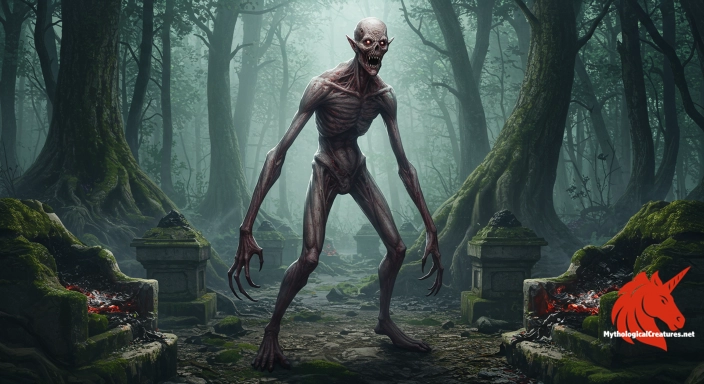
Dare to Meet the Pishacha....
Curated by the Mythological Creatures Team
Series editor: Mythological Creatures Directory
Primary desk: Hellenic & Ancient Mediterranean Desk
(rev. November 2025)