
Muroni: The Muroni is a vampiric creature from Wallachian mythology known for its blood-sucking habits and shape-shifting abilities.

Muroni
Muroni - Embodies the cautionary tale of unseen nocturnal dangers and the horror of excessive blood loss in local folklore.
the legend in five swipes.
the legend in five swipes.
When did people first speak of the Muroni?
The Muroni looms large in the realm of Wallachian mythology as a creature wrapped in both terror and intrigue. Born from a rich tradition of Eastern European folklore, it is chiefly recognised as a vampire that transcends the ordinary with its uncanny ability to assume animal forms. Its earliest mentions, although shrouded in the mists of oral tradition, hint at a being that defies simple classification by blending vampirism with shapeshifting abilities. Local legends cast the Muroni as a nocturnal enigma, whose sudden attacks and inexplicable blood loss in its wake evoke a profound sense of dread. In rural communities, the creature’s appearance is interwoven with superstitions that seek to explain mysterious phenomena occurring under cover of darkness. Accounts passed down through generations have gradually refined its image, emphasising both its spectral presence and its dangerous, hidden nature. The Muroni thus serves as a symbol of the unknown forces lurking at the fringes of everyday life, challenging the boundary between man and monster. Its dual existence as both bloodsucker and shapeshifter invites deeper reflection on the fears and mysteries that have long pervaded the human psyche. In doing so, it remains a defining figure in the cultural memory of the region.
Who wrote down the legend of the Muroni?
A wealth of oral histories forms the backbone of the Muroni’s myth, each narrative adding layers to its multifaceted persona. Traditional storytellers and village chroniclers have preserved variations of its tale, contributing to an intricate mosaic of primary sources that span centuries. Some manuscripts and folklore compilations, emerging in the wake of 19th-century Romantic nationalism, capture distinctive regional nuances that paint the creature in different lights. These records often depict the Muroni’s sudden appearances as catalysts for unexplained blood loss, thereby reinforcing its dual identity as both a vampire and a shapeshifter. In various renditions, the creature’s method of transforming into animals is noted with equal measures of dread and wonder. Distinct accounts sometimes attribute to it a mournful or vengeful backstory, further deepening its mythic appeal in local narratives. The evolution of its story is visible in the subtle alterations found in different sources, from early handwritten folktales to later printed anthologies. As these accounts were passed down and recorded, they not only chronicled feared events but also mirrored the social anxieties of communities grappling with inexplicable phenomena. The enduring nature of these sources testifies to the powerful grip that the Muroni has on the regional imagination.
What could the Muroni do?
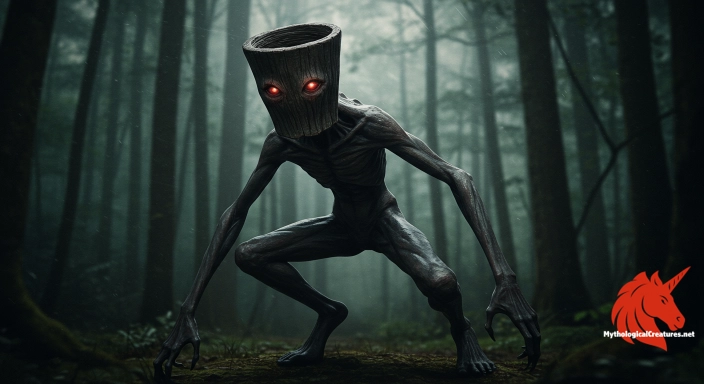
The Muroni is described in ever-shifting detail, reflective of its inherent ability to morph into various forms. When manifest in human guise, it is often portrayed with an ashen pallor, sunken eyes that smoulder with eerie vitality, and an unworldly countenance that hints at its supernatural origin. In its animal forms, witnesses recount figures such as sleek wolves or enormous bats, each guise retaining vestiges of its vampiric nature. Even in a wolf’s form, one might observe unnerving traits such as elongated fangs or an uncanny, almost luminescent glimmer in the eyes. Accounts suggest that its bodily structure is both lithe and robust, capable of swift, silent movement that belies its deadly intent. Despite the variations in its size—from the imposing to the inconspicuous—each form exudes an unmistakable aura of otherness. Witnesses often remark on the unnatural slickness of its fur or skin, as if perpetually moist with the remnants of a nocturnal feast. The lingering trace of blood at the scene of its departure reinforces the paradox of a creature that is both animal and spectral nightmare. The murkiness of its descriptions, varying with each encounter, only serves to heighten its enigmatic presence in folklore.
How does the Muroni differ by region?
Although the Muroni is deeply anchored in Wallachian lore, its legend has resonated across neighbouring regions, each culture imprinting its own interpretation upon the creature. In nearby Transylvanian circles, for example, the narrative sometimes emphasises a more tragic and tormented nature, painting the beast as a sorrowful phantom of cursed origins. Communities in the Balkans have similarly adapted the tale, often aligning it with local vampire legends that merge the supernatural with folklore cautionary themes. Variations in its portrayal can be seen in the subtle differences in how its shapeshifting abilities are described, with some traditions giving precedence to animal instincts over human-like characteristics. In certain rural areas, the creature is depicted more as an outcast tormented by its double identity than a ruthless predator. This regional divergence is evident in the rituals and warnings intended to thwart its appearance, with each locality developing unique countermeasures rooted in ancestral lore. Despite these differences, the fundamental attributes—the thirst for blood and the eerie ability to change form—remain constant across regional narratives. This shared core cements the Muroni’s place not only as a local spectre but also as part of a broader, interconnected tapestry of European supernatural beings. Thus, its story is as varied as it is unified, reflecting a balance between local tradition and wider mythic influences.
How does the Muroni legend compare worldwide?
The myth of the Muroni resonates with parallels found in numerous other European traditions, where tales of vampires and shapeshifters similarly blur natural and supernatural boundaries. Similar figures such as the Strigoi and Moroi in Romanian folklore share with the Muroni an intrinsic connection to the night and a bloodthirst that defies mortal logic. Likewise, Eastern Slavic folklore introduces creatures whose ability to transmute into various animals underscores a common theme of metamorphosis and hidden danger. In Western literature, modern reinterpretations of the vampire myth, as popularised by iconic figures like Dracula, echo the Muroni’s blend of attraction and repulsion. Comparisons can also be drawn with Balkan legends, such as those recounting the Vârcolac, where transformation serves as both weapon and curse. These cross-cultural similarities highlight a universal preoccupation with the idea of the creature that lurks in the dark, straddling the line between man and beast. Each narrative, while distinct in detail, explores the tension between the known and the unknowable, reflecting deep-seated societal fears. The Muroni, therefore, serves not only as a local icon but also as part of a pan-European dialogue about the nature of evil and the mysterious forces that inhabit the night. Through comparative analysis, one observes that despite regional differences, the shared motifs of duality and transformation speak to a common human fascination with the monstrous.
Muroni: How the Legend Lives On
From its shadowy beginnings in oral tradition to its modern incarnations in popular culture, the Muroni has undergone a remarkable evolution, adapting to the sensibilities of each successive era. Initially a figure of pure folklore, the creature symbolised the unexplained and the feared, encapsulating the collective anxieties of rural communities. As the vampire myth found new life in literature and cinema, the Muroni too was re-envisioned with modern artistic embellishments that emphasised its enigmatic duality. Contemporary portrayals in horror films, graphic novels, and even digital media have recast it as a multifaceted figure, blending classic elements with fresh, inventive twists. This modern legacy not only honours its past but also reinvents its appeal to engage a new generation of enthusiasts. In academic and cultural circles, the Muroni is now studied as a key component of Eastern European myth, reflective of broader themes such as transformation, mortality, and societal fears. Festivals and cultural events in regions once haunted by its legends now celebrate the Muroni as a unique emblem of local heritage and narrative ingenuity. The evolution of its depictions, from cryptic oral accounts to richly detailed modern narratives, mirrors the dynamic interplay between tradition and modernity. Ultimately, the Muroni remains a timeless exemplar of how ancient mythologies continuously inspire and inform contemporary interpretations of the supernatural.
Interesting Fact
Unlike typical vampires that maintain a single form, the Muroni’s ability to morph into various animals adds an extra layer of terror and unpredictability to its legend.
Mythological Treasures
Japanese Yokai: A field guide to the spirits and demons of Japanese folklore
Fifteen spirits, with the signs to watch for and what the old tales say to do if you meet one.
Greek Myths: A field guide to the monsters of ancient Greece
Every monster here earned its place in legend, and each gets a full page of artwork and the story behind it.
Norse Sagas: A field guide to the beasts of the Viking world
Drawn from the saga accounts themselves, with the powers, weaknesses and doom of each being set out.
the legend in five swipes.
Partner with us
Sponsor this space
Reach thousands of mythology enthusiasts with a curated placement on our creature pages.
Learn about sponsorshipQuick Creature Info
Our Mythic Legendary Rating:

Also Sometimes Known As:
Habitat:
Supernatural Powers:
Physical Attributes:
Abilities:
Behavior:
Weaknesses:
Lore:
Related Creatures, Tales or Lore
References
Discover Another Mythical Legend You May Not Have Heard Of?
Uncover the mysteries of ancient folklore and expand your knowledge of legendary beings from cultures around the world.
Dare to Meet the Tsurube-otoshi....
The Mythological Creatures Book Series
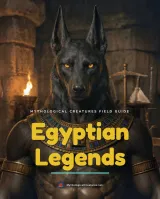
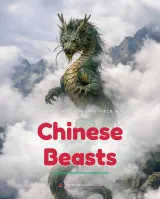
Yokai, Greek, Norse, Egyptian & Chinese. Five illustrated field guides to the creatures the old stories either warned or told you about.
Curated by the Mythological Creatures Team
Series editor: Mythological Creatures Directory
Primary desk: Hellenic & Ancient Mediterranean Desk
(rev. November 2025)