
Notus: Notus is the Greek god of the south wind, known for bringing hot, desiccating winds and seasonal rain.

Notus
Notus - Notus was vital in ancient times for signalling seasonal changes and agricultural cycles.
Where does the story of Notus begin?
Notus, the revered personification of the south wind in Greek mythology, holds his place among the elemental forces that shaped the ancient worldview. He is regarded as a member of the Anemoi, a group of wind gods born of the radiant dawn goddess Eos and Astraeus, the celestial progenitor. His lineage links the splendour of the morning with the transient nature of seasonal winds, establishing a unique cosmic balance. In a period when natural phenomena were interwoven with divine will, Notus symbolised both the nurturing rains and the drying heat that characterised the late summer and early autumn. His subtle influence was essential in agricultural rituals, helping communities synchronise their sowing and harvesting with nature's cycles. Despite receiving less narrative focus than some of his siblings, his role was critical in marking seasonal transitions and renewing life. The spirit of Notus was celebrated in poetic imagery and religious rites that acknowledged his power to both bestow fertility and impose hardship. His enduring legacy continues to spark the imagination, linking ancient nature-worship practices with the evolving cultural narratives of today.
How did the story of Notus change over time?
Ancient literary traditions offer glimpses of Notus through assorted references that highlight his elemental power. He appears in early catalogues of the divine winds, where even brief mentions contribute to the broader tapestry of myth. Fragmentary allusions found in works attributed to Hesiod and other early poets attest to his role as a force of nature. Lesser-known local mythographers added sporadic stories which underscored his association with seasonal transitions and the capricious mood of the weather. Pictorial depictions on vases and altars further corroborate his existence within a symbolic framework. Roman adaptations later enriched his narrative by merging his identity with that of Auster, thereby offering variant interpretations. Some variants portray him as a life-bringer while emphasising his capacity for desiccation, reflecting the duality of his domain. The composite array of these primary sources, though brief, provides valuable insight into the mythological essence of the south wind.
Notus: Physical Form and Supernatural Powers
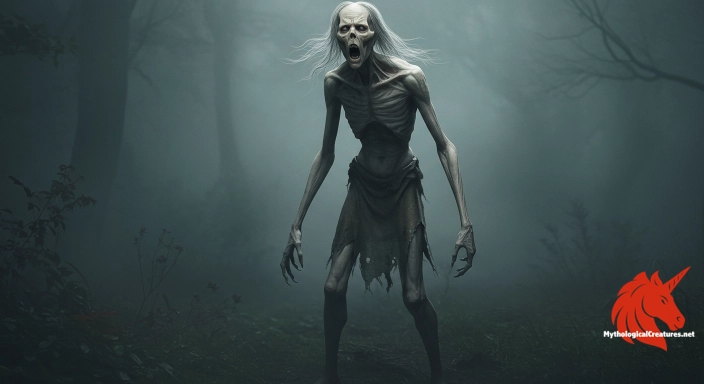
Artistic depictions of Notus capture the elusive quality of a deity whose form is as transient as the wind he commands. His appearance is often suggested through sun-bleached features that evoke the heat of the southern clime and eyes that mirror the intensity of a summer sky. He is frequently adorned in flowing robes that mimic the swirling currents of a storm, blending seamlessly with his environment. In several representations, his form is accentuated by an ethereal lightness, suggesting a swift, almost imperceptible movement across the heavens. Some artistic interpretations even attribute to him wing-like appendages or an elongated silhouette that affirms his status as an airborne messenger. The iconography is richly symbolic, with subtle hints such as scattered droplets or gusts captured in the background of his depictions. Each visual representation blends tangible human features with ephemeral elements, underscoring the duality of his nature. These varied portrayals consistently communicate a raw, natural power and the ever-changing visage of the elements he governs.
What do different regions call Notus?
Though Notus is chiefly anchored in Greek mythology, his portrayal exhibits considerable regional variation as his myth travelled across the Mediterranean. In southern Greek communities and coastal regions, local traditions emphasise his role in moderating the oppressive heat and heralding the arrival of refreshing autumn rains. These communities often revered him through rituals and seasonal festivals that sought to both honour and appease his unpredictable nature. In regions facing harsh summer climates, Notus was seen as a vital harbinger whose presence could mean the difference between drought and replenishment. His adaptation in the Roman context, where he was identified with Auster, introduced additional layers of local interpretation and ritual significance. Localised variations even merged his persona with indigenous weather lore, adding unique cultural nuances to his myth. Folklore in various regions portrayed him as a capricious yet essential force whose benevolence was as celebrated as his potential for devastation. Such regional adaptations highlight the flexibility of myth, reflecting the intimate connection between local environmental conditions and divine representation.
What parallels exist to Notus in other traditions?
Notus occupies a distinctive position within a broader cross-cultural panorama of wind deities and elemental forces. His characteristics resonate with those found in the mythologies of other ancient civilizations, where the wind is both a life-giving and a destructive element. Similar deities in Norse and Indo-European traditions evoke the untamed spirit of nature, mirroring Notus’s dual capacity to nurture and devastate. When seen alongside his brothers, Boreas and Zephyrus, his unique role as the south wind acquires a clearer definition through contrast in temperament and symbolism. Comparative narratives often highlight the universal human tendency to embody natural forces in divine forms, and Notus is no exception. In parallel, ancient Egyptian and Mesopotamian lore feature deities that command the air and seasons, echoing his function as a mediator of environmental change. These cultural correspondences underscore how different societies interpret the unpredictable forces of nature. The cross-cultural dialogue between these mythic traditions enriches our understanding of how humanity has long sought to personify the elemental energies that shape our world.
Why does Notus still matter?
The myth of Notus has evolved from a subtly referenced deity in ancient texts to a symbol resonant with modern environmental thought. His early representations in classical art and literature laid the foundation for an enduring icon of seasonal change and the balance between regeneration and desiccation. Over time, his character has been reinterpreted through the lens of changing cultural and ecological concerns, reflecting shifts in human attitudes towards nature. Modern artists and writers occasionally invoke his essence to evoke the capricious spirit of the weather and the cyclical rhythm of the seasons. His legacy endures in local festivals and folklore that continue to celebrate the vital interplay between rain and drought. Contemporary interpretations often cast him as a metaphor for the unpredictable forces of climate, illustrating the timeless interplay between creation and destruction inherent in nature. This dynamic evolution from mythological obscurity to a potent symbol highlights the deep-rooted influence of classical traditions on modern environmental narratives. Notus remains a compelling reminder of the power of myth to encapsulate nature’s eternal and ever-changing dance.
Interesting Fact
Notus, though less celebrated than his brothers, was essential for the seasonal rhythms of ancient Greece, symbolising the intense heat and subsequent rains that define the cycle of the seasons.
Advertising opportunity
Showcase your mythology project
We offer limited sponsor placements for books, courses, games, and creators aligned with our audience.
View partnership optionsQuick Creature Info
Origin:
Features:
Associations:
Our Mythic Legendary Rating:

Also Sometimes Known As:
Habitat:
Supernatural Powers:
Physical Attributes:
Abilities:
Behavior:
Lore:
References
Discover Another Mythical Legend You May Not Have Heard Of?
Uncover the mysteries of ancient folklore and expand your knowledge of legendary beings from cultures around the world.
Dare to Meet the Hemann....
Curated by the Mythological Creatures Team
Series editor: Mythological Creatures Directory
Primary desk: Hellenic & Ancient Mediterranean Desk
(rev. November 2025)