
Nuberu: Nuberu is a weather deity from the mythologies of Asturias, Cantabria, Galicia, and León, renowned for his control over clouds and storms.
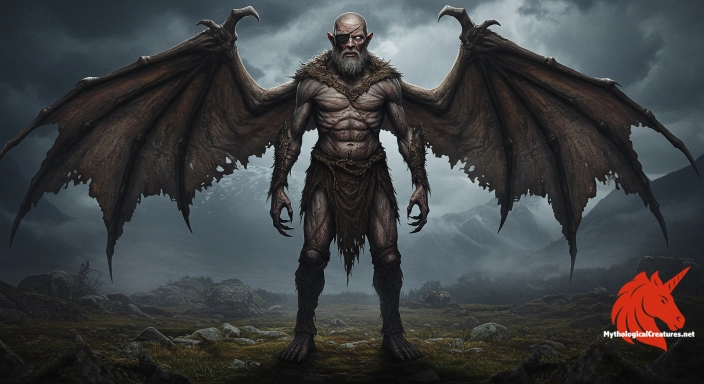
Nuberu
Nuberu - Nuberu epitomizes the unpredictable forces of nature, controlling storms and weather, and is linked to ancient deities like Taranis, Thor, and Odin.
Origins & First Encounters
The Nuberu stands as a striking figure in the folklore of northern Spain, embodying the awe-inspiring and sometimes terrifying forces of nature. Its mythic origins weave through the cultural traditions of the Asturian, Cantabrian, Galician, and Leonese peoples, each contributing layers of meaning to its character. Emerging from a rich tapestry of local lore, the Nuberu is both an individual deity and a collective species of weather-controlling beings. Ancient oral traditions and early written accounts attest to its dual role as both a benefactor and a harbinger of destruction. The lore is intricately tied to the natural world, where the creature governs the capricious moods of clouds and storms. Local legends even place the Nuberu in the distant city of Orito in Egypt, adding an exotic twist to its mythos. Over time, the narrative has evolved from pagan worship to a symbolic reflection of nature’s unpredictable temperament. The creature’s legacy as a weather deity festivals the deep cultural reverence for natural phenomena in these regions. Its enduring image continues to influence regional identity, weaving together threads of ancient myth and contemporary spiritual symbolism.
Source Texts & Tale Variants
The accounts of the Nuberu are preserved in a varied array of texts and oral traditions that span several centuries and regions. Folktales from Asturian and Leonese sources have kept its story alive, each version contributing distinct nuances to its mythological character. In western parts of Asturias, the Nuberu is also known as Reñubeiru or even Xuan Cabritu, reflecting a localized tradition of storytelling. Some narratives depict it as a solitary, awe-inspiring entity, while others expand the myth to include an entire race of weather-controlling beings. Manuscripts and later folkloric compilations hint at its deep-seated role in shaping agricultural and pastoral practices. The creature’s myth has been handed down through community gatherings, ensuring that even minor details, such as specific clothing and physical flaws, are vividly remembered. Diverse regional storytellers have adapted the lore over time, creating multiple story variants that highlight themes of benevolence and retribution. These story variants underscore the complex interplay between human interaction and the capricious forces of nature. The multiplicity of sources builds a composite picture that reflects both ancient myth and evolving cultural traditions.
Form & Powers
The physical depiction of the Nuberu is as varied as it is evocative, often tailored to reflect its connection with storm and cloud. In many renditions, the creature appears as an elderly, winged figure with a dark, forbidding countenance and a thick, wild beard that suggests both wisdom and terror. Its clothing, crafted from dark pelts and rugged goat leathers, underscores its association with the untamed aspects of the natural world. A large, imposing hat often crowns its head, adding an additional element of mystery and authority. When portrayed as a singular entity, the Nuberu is marked by a patch over one eye, a distinctive trait that hints at past conflicts or supernatural injuries. Some variants describe it as diminutive and almost dwarf-like, yet imbued with a magnetic force that belies its size. Visual descriptions frequently align the creature with the very elements it governs, such as swirling mists or the ominous rumble of distant thunder. Each physical rendition captures a fusion of earthly imperfection and celestial power, reflecting the unpredictable nature of storms. The detailed portrayals serve to both humanise and mythologise the creature, offering layers of meaning that invite continued interpretation.
Regional Faces
The Nuberu’s legend boasts significant regional diversity, reflecting the unique cultural landscapes of northern Spain. Known variously as Ñuberu, Reñubeiru, Nubero, or Nubeiro, its many names articulate the linguistic and cultural variations found across Asturian, Cantabrian, Galician, and Leonese regions. In western Asturias, for instance, the alternate name Xuan Cabritu adds a local flavour to the otherwise universally recognised myth. Variations in descriptive detail—ranging from its attire to its physical deformities—mirror the distinct cultural priorities and environmental challenges of each locale. Some accounts stress its role as an individual storm deity, while others present it as a collective of dwarf-like beings with atmospheric mastery. In Cantabrian areas, the focus often lies on its volatile temper and capacity to wreak havoc upon the land. Local traditions have further adapted the myth by overlaying it with elements from neighbouring cultural narratives and regional rituals. This regional diversity not only enriches the myth but also reinforces the notion of nature’s universal yet locally adapted power. The Nuberu’s mutable character stands as a testament to how strongly regional identity can shape even the most ancient of legends.
Cultural Parallels
The mythology surrounding the Nuberu finds intriguing parallels across a variety of global cultural contexts, forging connections with other wind and storm deities. Much like the ancient Celtic god Taranis, who also commanded thunder and lightning, the Nuberu’s domain extends over the volatile skies. Its venerated, yet fearsome character bears a resemblance to figures in Norse mythology, such as Thor and Odin, both of whom embody the unpredictable force of stormy tempests. The presence of a missing or injured eye in some depictions calls to mind the one-eyed wisdom associated with certain Northern deities. This blend of iconography and elemental power is echoed in other weather-controlling mythic figures throughout Europe and the Mediterranean. Similar to the Entiznáu of Extremadura, the Nuberu is dualistic—serving as both a benefactor of fertile lands and a punisher of those who provoke nature’s wrath. These comparative analyses highlight a pan-European impulse to personify the heavens and their moods in a way that mirrors human vulnerabilities and strengths. The cross-cultural commonalities add layers to our understanding of nature worship and divine retribution. Such parallels encourage a dialogue between diverse mythological traditions, each of which offers unique insights into the human experience of weather, fate, and nature’s indomitable spirit.
Legacy & Modern Evolution
The evolution of the Nuberu’s myth reflects a fascinating interplay between ancient ritual, cultural adaptation, and modern reinterpretation. Originally a figure rooted deeply in rural traditions and oral storytelling, the Nuberu served as a personification of the uncontrollable aspects of weather that both nurtured and ravaged agrarian lives. As centuries passed, the legend began to absorb influences from neighbouring cultures, transforming from a single, terrifying deity into a more nuanced emblem of nature’s dual capacity for care and destruction. In modern times, artistic representations in literature, visual arts, and local festivals have reenergised its image, presenting it as a symbol of the unpredictable forces of our natural environment. Contemporary narratives often use the Nuberu as a metaphor for environmental change and the unpredictable challenges posed by modern climate phenomena. Its storied past is frequently re-examined in academic and cultural circles, reinforcing its relevance in discussions about the human relationship to nature. The myth continues to be a rich source for creative reinterpretation, blending traditional elements with the concerns of today's ecological and social landscapes. Through these ongoing cultural expressions, the Nuberu remains a powerful reminder of how ancient symbols can adapt to illuminate modern realities. Its layered legacy, straddling the boundaries between fear and reverence, ensures that the myth endures as both a historical artefact and a living cultural symbol.
Interesting Fact
An intriguing aspect of Nuberu is his multifaceted identity, which blends local Iberian folklore with echoes of Celtic and Norse mythologies, demonstrating how diverse cultural traditions can converge in a single mythological figure.
Reach myth fans
Connect your myth-driven brand with this audience
Our readers are writers, educators, gamers, and collectors who care about mythology. Enquire about a limited sponsor placement on creature pages.
Enquire about sponsorshipQuick Creature Info
Associations:
Our Mythic Legendary Rating:

Also Sometimes Known As:
Habitat:
Supernatural Powers:
Physical Attributes:
Abilities:
Behavior:
Weaknesses:
Lore:
Related Creatures, Tales or Lore
- TTaranis
- TThor
- EEntiznáu
References
Discover Another Mythical Legend You May Not Have Heard Of?
Uncover the mysteries of ancient folklore and expand your knowledge of legendary beings from cultures around the world.
Dare to Meet the Jimmy Squarefoot....
Curated by the Mythological Creatures Team
Series editor: Mythological Creatures Directory
Primary desk: Hellenic & Ancient Mediterranean Desk
(rev. November 2025)