
Ocyrhoe: Ocyrhoe is a multi-faceted figure in Greek mythology, representing several water nymphs with varied roles.
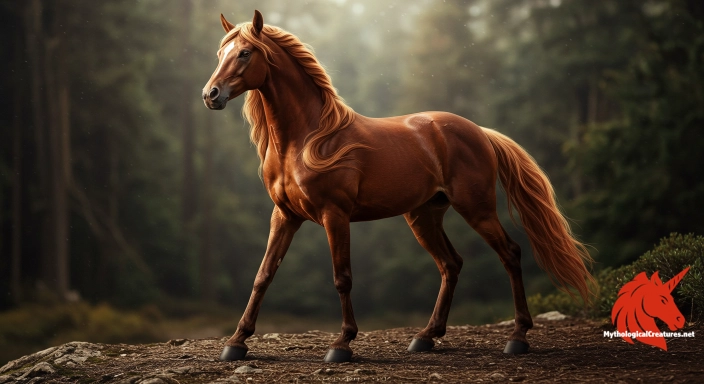
Ocyrhoe
Ocyrhoe - The multiple incarnations of Ocyrhoe highlight the rich diversity of nymph identities, symbolising the interconnectedness of water, fate, and transformation in Greek mythology.
Origins & First Encounters
Ocyrhoe is a name that reverberates through Greek mythology, carried by several distinct figures whose stories illuminate themes of rapid change and divine intervention. Born from the realms of water and celestial destiny, some versions describe her as one of the Oceanids, daughters of the mighty Titans Oceanus and Tethys, while others cast her as a prophetic nymph with an enigmatic fate. Her mythic presence is marked by a fluidity that mirrors the shifting boundaries between mortal and divine, nature and destiny. In one telling, she is the tender mother of Phasis by the radiant Helios, embodying the enduring link between water and light. Another narrative presents her as the insightful daughter of Chiron, whose revelation of her father’s grim destiny leads to her dramatic transformation. The multiplicity of her portrayals illustrates a broader cultural fascination with themes of swift movement and metamorphosis inherent in nature. As a mythological figure, she encapsulates the ephemeral beauty of the divine through her delicate and sometimes tragic interactions with deities and mortals alike. Her legacy as a bearer of swift change and a reminder of fate’s inescapability continues to intrigue both ancient audiences and modern interpreters.
The enduring nature of her name, evoking notions of speed and mobility, suggests that Ocyrhoe was not confined to a single narrative but rather served as a multifaceted symbol within the mythological tradition. Through her various incarnations, she reflects the complex interplay of character, destiny, and the natural world, making her a subject of enduring interest in Greek lore.
Source Texts & Tale Variants
The tales of Ocyrhoe are woven through a range of ancient mythographical works and oral traditions, where her figure appears in multiple distinct narratives. In the accounts of mythic genealogies, her presence is acknowledged among the vast host of water nymphs, further documented by ancient compilers who enumerated the Oceanids. Some versions of the myth are preserved in texts that catalogue the lives of divine beings, including the oft-cited list of children born to primordial deities. The story of Ocyrhoe as the daughter of Chiron is echoed in early writings that explore the fates of centaurs and their kin, providing a dramatic account of prophecy and punishment. Other narratives record her as a naiad connected to both mortal and divine realms, notably in the myths surrounding the Trojan War and the celebrations of local deities in Miletus. Her abduction by Apollo, and the subsequent metamorphosis of her rescuer, is recounted in festive lore that has been handed down through generations of storytellers. Although the surviving texts offer only glimpses of her diverse roles, they collectively underscore her significance in the broader cosmic narrative. These variant stories form a tapestry of myth that highlights the shifting and adaptive nature of her character over time.
The multiplicity of sources not only reflects the rich and varied traditions of ancient Greek storytelling but also suggests that her myth was shaped by the needs and imaginations of different communities across the Greek world.
Form & Powers
The physical portrayals of Ocyrhoe across the different mythic traditions are as varied as the narratives in which she appears. In depictions where she is an Oceanid, she is often imagined as a luminous and graceful nymph with features as fluid and ever-changing as the water from which she was born. Artists have rendered her with delicate, refined features that capture the ephemeral beauty of a gentle stream or a shimmering pool, her skin glowing with the iridescence of submerged light. In contrast, the daughter of Chiron is sometimes described with a striking presence, her long auburn hair cascading with the vibrancy of autumn and hinting at her half-equine transformation. This form reflects an otherworldly blend of human allure and the noble strength of a horse, underscoring the intermingling of terrestrial and celestial qualities. The naiad incarnations of her character are frequently depicted with a certain natural elegance, combining lithe, flowing lines with an ethereal grace that suggests both speed and transformation. Her eyes, in artistic imagination, might be seen as mirroring the clarity of streams or the depth of the night sky, inviting onlookers to both admire and wonder. Even when metamorphosis alters her form, there remains an unspoken beauty and danger about her, symbolising the transient nature of physical appearance in the face of divine will.
This delicate interplay of human and animalistic traits, combined with the luminous quality attributed to watery deities, has made her a captivating figure in visual representations throughout antiquity.
Regional Faces
The narratives of Ocyrhoe reveal striking regional nuances that underscore the diversity of local myth-making in the ancient Greek world. In the coastal and maritime regions, particularly in areas such as Miletus and Mysia, her story became interwoven with local traditions that celebrated the sea and the river as potent life forces. Here, her abduction by Apollo and the subsequent transformation of a ship into stone provided a dramatic emblem of the sea’s unpredictable nature, resonating dearly with seafaring communities. Meanwhile, in regions where the legacy of centaur lore was strong, the account of Ocyrhoe as Chiron’s daughter was accentuated by themes of fate and metamorphosis, reflecting the communities’ preoccupations with destiny and transformation. In the local festivals and rites, her image was adapted to mirror the transient beauty of nature and the swift passage of time, making her an ideal patroness for transitions and changes. Different locales also highlighted her role as a mother to noteworthy heroes, such as Hippomedon, thus anchoring her myth within the epic traditions of the Trojan War. The local adaptations allowed for variations in her character, emphasising either her nurturing qualities or her role as a harbinger of transformation, depending on regional values. This mosaic of interpretations provided a fertile ground for cultivating distinct regional identities while still linking them to the wider Greek mythological canon.
Thus, Ocyrhoe's myth functioned as a versatile symbol that could be tailored to reflect both the ecological and cultural particularities of diverse communities across the ancient Mediterranean.
Cultural Parallels
Comparisons between Ocyrhoe and other mythological figures reveal rich parallels with similar beings across various cultures. Much like the Greek nymphs who personify natural elements, her character embodies traits that are echoed in Roman, Celtic, and even Near Eastern myths, where water deities symbolise both life and transformation. Her swift, unpredictable nature finds cultural counterparts in the faeries and sprites of European folklore, all of whom traverse the realms of the ordinary and the otherworldly. The multifaceted role she plays—as both a prophetic figure and a symbol of metamorphosis—parallels traditions in other mythologies where shape-shifting is a vehicle for conveying the deeper truths of human existence and the natural world. In some cultures, figures who warn of impending fate or transform as a result of divine retribution serve as cautionary exemplars, much as Ocyrhoe does in the Greek tradition. The interplay of beauty and danger in her legend is reminiscent of other folkloric motifs that celebrate nature’s dual capacity to nurture and destroy. In Eastern mythological narratives, water spirits and deities also illustrate the transient, ever-changing character of nature, echoing her inherent connection to fluidity and change. Her mythology is emblematic of a universal archetype in which divine beings straddle the line between guidance and warning, melding human vulnerability with otherworldly power.
These cultural parallels enrich our understanding of how diverse societies articulate the inescapable truth of transformation, making Ocyrhoe not just a relic of Greek myth but a symbol with global resonance in the realm of myth and legend.
Legacy & Modern Evolution
Over time, the figure of Ocyrhoe has undergone a remarkable evolution, reflecting the changing tastes and values of successive generations. In antiquity, she was revered as a symbol of rapid movement and transformation, a divine intermediary whose fleeting presence mirrored the mutable forces of nature. As classical traditions were rediscovered during the Renaissance and later periods, her myth was reinterpreted through the lens of artistic and literary romanticism, emphasising her tragic beauty and prophetic significance. Modern reinterpretations frequently explore her narrative as a metaphor for the resilience and fluidity of identity, resonating with contemporary themes of transformation and change. The metamorphic quality of her legend has allowed artists and writers to explore the boundaries between the physical and the spiritual, often using her as a symbol of ageless beauty and the inexorable passage of time. In digital and popular media, her image is sometimes adapted to suggest a powerful female archetype, one that embodies both vulnerability and enduring strength. Academic discussions have placed her among the cadre of mythological figures who encapsulate the inherent tension between destiny and free will, providing a nuanced perspective on fate and transformation. Today, her legacy is celebrated in myriad forms—from classical paintings and sculptures to modern reinterpretations in literature and multimedia—ensuring that the spirit of Ocyrhoe continues to captivate and inspire in an ever-changing world.
This ongoing evolution affirms that Ocyrhoe’s myth remains a dynamic and versatile symbol, adaptable to each era’s cultural narrative, yet ever rooted in the timeless interplay between nature, fate, and transformation.
Interesting Fact
Despite sharing a name, the varying accounts of Ocyrhoe reveal a rich tapestry of mythological roles—from prophetic truth-teller to transformative nymph—highlighting the complexity and adaptability of ancient myth in reflecting natural forces and human values.
For serious mythcraft
Your project belongs among the legends
If your work deepens how people understand, play with, or teach mythology, a sponsor placement here keeps it in front of the right readers all year.
Submit a sponsorship enquiryQuick Creature Info
Origin:
Associations:
Our Mythic Legendary Rating:

Also Sometimes Known As:
Habitat:
Supernatural Powers:
Physical Attributes:
Abilities:
Behavior:
Lore:
References
Discover Another Mythical Legend You May Not Have Heard Of?
Uncover the mysteries of ancient folklore and expand your knowledge of legendary beings from cultures around the world.
Dare to Meet the Vodyanoy....

Curated by the Mythological Creatures Team
Series editor: Mythological Creatures Directory
Primary desk: Hellenic & Ancient Mediterranean Desk
(rev. November 2025)