
Onikuma: The Onikuma is a demon bear from Japanese folklore, recognised as a yōkai originating in the Kiso Valley.
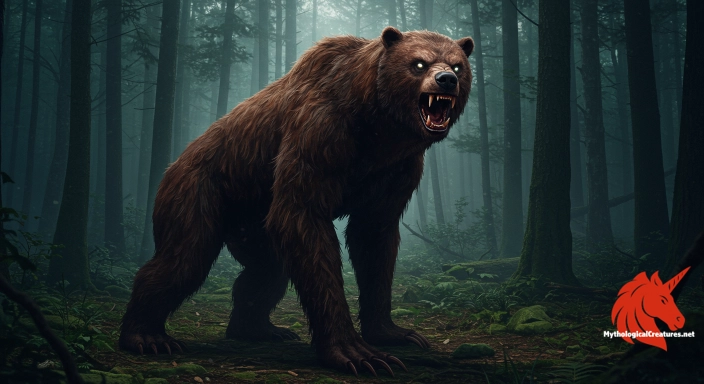
Onikuma
Onikuma - Embodies the fears of rural communities and the mystique of the untamed wild.
the legend in five swipes.
the legend in five swipes.
Onikuma: Where the Legend Started
The onikuma is a formidable figure in Japanese folklore, embodying an eerie convergence of nature and the supernatural. Born from the mists of the Kiso Valley in Nagano Prefecture, its origins are steeped in the rural traditions of Japan. It is portrayed as a bear-like demon that defies natural order by walking upright, lending it an uncanny prominence in local myth. Rural communities first recounted its exploits during long nights when it would prowl in silence. Over time, its image became interwoven with the primal fears of a society in close contact with untamed wilderness. Its myth served as both a warning against the unknown dangers lurking beyond cultivated lands and a symbol of nature’s raw power. The creature’s lore was further enriched by its inclusion in various literary and oral traditions. As an integral part of the yōkai tradition, the onikuma continues to capture the imagination of those fascinated by the border between the natural and the mysterious.
The Documented Accounts of the Onikuma
The principal account of the onikuma appears in the Ehon Hyaku Monogatari, a celebrated compendium of supernatural narratives published in 1841. This early document set the foundation for its portrayal as a nocturnal menace to agrarian life. Beyond printed records, a wealth of oral tradition in the Kiso Valley has perpetuated diverse stories of this demon bear. In many regional narrations, its appearances are dramatized with a focus on its stealth and cunning in pilfering livestock. Manuscript records and local folklore further embellish these stories, adding layers of detail and symbolic meaning. Variants of its tale have emerged as the creature’s reputation spread across neighbouring areas, each local version adapting its characteristics to reflect communal anxieties. Several written accounts from small mountain villages expand on its mysterious habits and the terror it inspired. The interplay between documented texts and oral renderings has endowed the onikuma’s myth with a multifaceted and evolving narrative. Each source, whether literal or anecdotal, contributes to the rich tapestry that continues to define this enigmatic yōkai.
What did the Onikuma look like?
The onikuma is depicted as a robust and imposing creature that blends the familiar form of a bear with supernatural embellishments. Its physique is muscular and broad-shouldered, hinting at both natural strength and an otherworldly vigour. The dark, matted fur that cloaks its body adds an element of shadowy mystery to its silhouette. Striking features such as piercing, glowing eyes are often attributed to it, suggesting a malevolent intelligence behind its actions. Some accounts introduce peculiar details like an exaggerated snout or subtle demonic tusks that heighten its fearsome appearance. Its claws are notably long and curved, described as capable of rending not only the flesh but also the peace of any quiet night. Variations in local depictions even imply that its size can fluctuate, sometimes emerging as an oversized aberration among common beasts. The overall anatomy of the onikuma presents a fusion of natural bear attributes with exaggerated demonic traits, creating a figure that is both recognisable and startlingly uncanny. Every descriptive element works together to ensure that the onikuma remains one of Japan’s most formidable and visually arresting yōkai.
How did location shape the story of the Onikuma?
Although the onikuma is primarily associated with the Kiso Valley, its legend has travelled far and wide, with regional nuances adding depth to its mythos. In Nagano, the creature is chiefly remembered as a nocturnal predator whose raids on livestock become the subject of whispered warnings. Elsewhere, the narrative softens somewhat, with some local traditions portraying it as a spectral guardian of the wild rather than a mere menace. Isolated mountain communities sometimes imbue the onikuma with a dual nature, where it is seen as both a force of destruction and a symbol of nature’s resilience. Literary and oral records across different prefectures have introduced subtle variations, such as alterations in its physical appearance or shifts in its behavioural temperament. These regional adaptations reflect the way distinct cultures interact with the broader themes of wilderness and danger. In several villages, the creature’s presence is interlaced with regional folklore that celebrates the mysterious forces of the natural world. The onikuma thus serves as a canvas upon which local superstitions and environmental realities are vividly projected. This geographical diversity in its depiction highlights the dynamic evolution of folklore as it adapts to local cultural landscapes.
How does the Onikuma legend compare worldwide?
The onikuma shares intriguing parallels with a wide range of mythological creatures that blend animalistic features with supernatural qualities. Its depiction echoes that of the European werebear, a figure caught between natural animal prowess and uncanny transformation. Similar to various East Asian beast spirits, the onikuma exemplifies the fusion of the feral and the supernatural that is prevalent in regional myth. Its role as both a threat and a mysterious guardian can be found in other traditions where nature is personified by formidable creatures. Such figures often function as metaphors for humanity’s ambivalent relationship with the natural world. While Western legends sometimes focus on the curse of transformation, Japanese accounts emphasise the onikuma’s predatory instincts and elemental power. This cross-cultural connection underlines a universal theme in folklore, where the wild is depicted as both a source of beauty and a reservoir of danger. By comparing it to other hybrid creatures, one gains a broader understanding of how diverse cultures project their fears and hopes onto the natural world. The onikuma occupies a unique niche, standing as a testament to the shared human fascination with creatures that challenge the boundaries between the known and the mysterious.
Onikuma: How the Legend Lives On
The onikuma’s legend has undergone a notable transformation from its origins in early Japanese folklore to its reimagining in modern popular culture. Early depictions, largely encapsulated in folklore and Edo-period literature, cast it as a sinister figure lurking in the nocturnal wilderness. As time progressed, its narrative evolved, mirroring changes in societal attitudes towards nature and the supernatural. Modern reinterpretations often explore themes of ambiguity, sometimes recasting the creature as a misunderstood spirit rather than a straightforward antagonist. Contemporary adaptations in manga, television, and literature have introduced fresh perspectives that blend traditional fear with modern-day environmental concerns. These reimaginings underscore a broader shift in how ancient mythologies are used to address current issues. The onikuma now serves not only as a remnant of past superstitions but also as a symbol that resonates with modern audiences. It encapsulates the tension between innate natural danger and the heroic mythos found in today’s storytelling. This continuous evolution ensures that the onikuma remains a compelling icon, bridging historical folklore with the vibrant dynamism of contemporary culture.
Interesting Fact
The name 'Onikuma' literally translates to 'demon bear', underscoring its dual nature as both a fearsome animal and a supernatural entity.
Mythological Treasures
Japanese Yokai: A field guide to the spirits and demons of Japanese folklore
Fifteen spirits, with the signs to watch for and what the old tales say to do if you meet one.
Norse Sagas: A field guide to the beasts of the Viking world
Drawn from the saga accounts themselves, with the powers, weaknesses and doom of each being set out.
Egyptian Legends: A field guide to the gods and monsters of ancient Egypt
Guardians of the living and devourers of the dead, with the role each played in judgement.
the legend in five swipes.
For publishers and studios
Your next readers are already here
Many of our visitors are looking for books, campaigns, and resources that deepen their journey into myth. Position your title or setting here.
Discuss a placementQuick Creature Info
Features:
Our Mythic Legendary Rating:

Also Sometimes Known As:
Habitat:
Supernatural Powers:
Physical Attributes:
Abilities:
Behavior:
Lore:
References
Discover Another Mythical Legend You May Not Have Heard Of?
Uncover the mysteries of ancient folklore and expand your knowledge of legendary beings from cultures around the world.
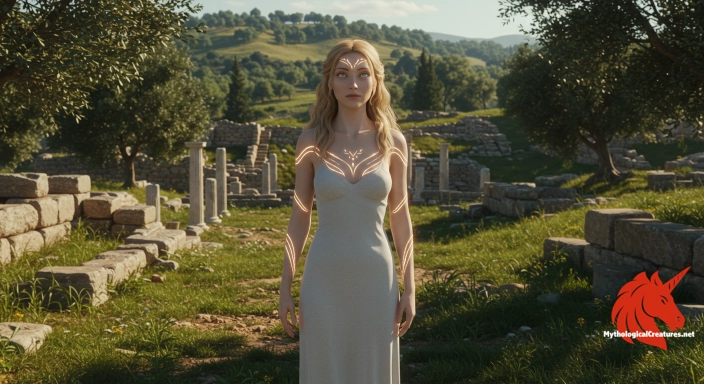
Dare to Meet the Ornea....
The Mythological Creatures Book Series
Yokai, Greek, Norse, Egyptian & Chinese. Five illustrated field guides to the creatures the old stories either warned or told you about.
Curated by the Mythological Creatures Team
Series editor: Mythological Creatures Directory
Primary desk: Asian & Pacific Myth Cycles Desk
(rev. November 2025)