
Otso: Otso is the sacred bear spirit of Finnish mythology, revered as the king of animals and leader of the forest.
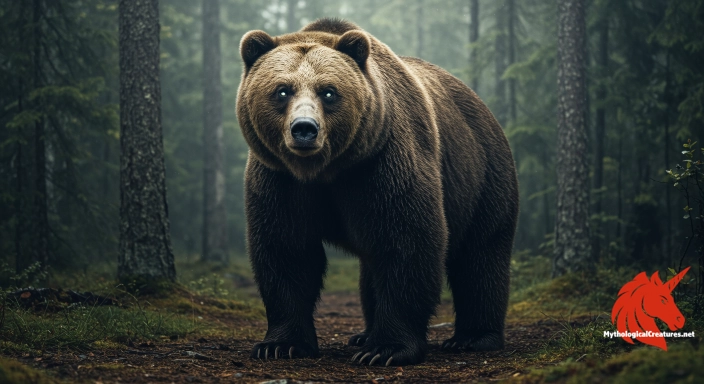
Otso
Otso - Central figure in Finnish animistic and neopagan traditions, symbolizing strength, wisdom, and the sacred nature of the bear.
Origins & First Encounters
Otso occupies a central role in Finnish mythology as an awe‐inspiring emblem of nature’s force, blending the lines between the animal and the divine. Rather than representing a single bear, Otso is regarded as the collective, animistic spirit of all bears—a living testament to the forest’s enduring mystery. The creature’s diverse epithets, including Karhu, Ohto, Kontio, Metsän kuningas, and Mesikämmen, signal the multifaceted reverence it has inspired over countless generations. Embedded within the Finnish national epic, the Kalevala, Otso is cast as the majestic sovereign of the woodland realm. Throughout history, ancient Finnish communities revere this bear not merely for its physical might, but as an embodiment of spiritual power interwoven with the natural world. Its myth helped forge an intimate connection between man and wilderness, inspiring respectful fear and deep veneration. The legacy of Otso reflects an enduring worldview where every element of nature is animated by its own profound spirit. As a cultural icon, the bear continues to symbolise both nature’s unpredictable force and its timeless beauty, echoing the past even in modern narratives.
Source Texts & Tale Variants
The legend of Otso is immortalised in the Kalevala, where poetic verses capture a vibrant, almost mystical portrayal of this bear spirit. Oral traditions and folk songs across rural Finland have also preserved myriad versions of the tale, each coloured by local dialects and customs. Manuscripts dating back through centuries echo these narratives, weaving a tapestry that reflects both regard and caution. Multiple story variants exist, each underscored by the belief that the bear is a conduit between the human and the supernatural realms. These accounts, while diverse, share a cohesive depiction of Otso’s role as the protector of the forest and all its creatures. The narrative has been passed down through generations via storytellers whose performances imbued each recitation with life. As these accounts have evolved, they have adapted to the shifting sensibilities of their audiences while maintaining the fundamental holiness of the bear. In this way, the myth of Otso is as fluid and enduring as the forest itself, sustained by an ongoing dialogue between history and legend.
Form & Powers
Otso is typically envisioned as a powerful bear whose imposing stature is matched only by its enigmatic air. Its massive frame is cloaked in a rich, lustrous coat that varies from deep chestnut to inky black, reflecting the shadow and light of the forest floor. The eyes of this sacred beast are often described as piercing, seemingly capable of conveying the accumulated wisdom of countless seasons. Robust muscles and broad limbs not only speak to its physical strength but also underscore a grace that borders on the supernatural in quiet movements. The inherent nobility in its countenance has, in some tellings, been imbued with subtle human-like expressions, hinting at an inner intelligence beyond mortal understanding. Folkloric depictions frequently highlight a near-ethereal glow that seems to emanate under the moonlight, fusing the natural and the divine. While general imagery remains consistent, regional narrations sometimes introduce variations in size and agility, allowing each storyteller to tailor Otso’s formidable essence to local landscapes. Every detail—from the texture of its fur to the deliberate pace of its gait—serves as a silent chronicle of its storied existence in the untamed woodland.
Regional Faces
Across Finland's varied landscapes, the myth of Otso morphs subtly to resonate with local experiences of nature. In northern boreal expanses, the bear is depicted as a quiet yet formidable presence, integral to the survival in harsh winters and deep snows. In contrast, more temperate southern regions often celebrate Otso as a benevolent overseer whose protective spirit fosters the rich diversity of woodland life. Local epithets such as Karhu and Metsän kuningas emerge in different areas, each lending its own flavour to the broader myth. Some communities intertwine the legend with shamanic practices, suggesting that the bear’s soul is inextricably linked with the cycles of life and nature’s rebirth. Seasonal festivals in various regions pay homage to Otso, incorporating rituals that honour the delicate interplay between human life and the forest. These local adaptations ensure that while the core myth remains recognisable, the storytelling is infused with the unique character of each landscape. Such regional variations not only celebrate the bear’s power but also highlight the intimate bond that local cultures share with their surrounding wilderness. Ultimately, Otso’s myth is as diverse as Finland itself, shaped by the land and its people over centuries.
Cultural Parallels
Globally, the figure of the bear holds a similarly exalted status in many cultures, drawing compelling parallels with Finland’s Otso. In Siberian shamanistic traditions, for example, the bear is revered as both a spiritual guardian and a bridge between the physical and ethereal realms. Among various Native American tribes, the bear is emblematic of strength and healing, often celebrated with ceremonies that echo the reverence shown to Otso. Parallels can also be drawn with the Ainu people of Japan, who imbue the bear with attributes of transformation and deep spiritual significance. These cultural comparisons reveal a universal human impulse: to personify the natural world's raw power in forms that inspire both respect and awe. Many traditions view the bear as a symbol of survival and resilience—a theme that resonates strongly in Otso’s myth as well. While the details differ across cultural landscapes, the underlying narrative of the bear as a protector and an enduring spirit is a constant motif. Such interwoven mythologies emphasise that the sanctity of nature transcends geographic and cultural boundaries. In this comparative light, Otso can be seen not only as a Finnish icon but as part of a broader, global tradition of animal veneration that continues to inspire and unify disparate peoples.
Legacy & Modern Evolution
Over time, the myth of Otso has evolved from its ancient roots into a symbol of national pride and ecological spirituality in modern Finland. The creature’s original portrayal in oral tradition has been enriched and reinterpreted through the arts, literature, and contemporary cultural expression. Neopagan groups, such as those associated with Karhun kansa, have revived ancient rituals, attesting to the continued relevance of Otso in today's spiritual landscape. Modern interpretations often equate the bear with a broader environmental ethos, where Otso becomes an emblem of the fragility and resilience of nature. In popular culture, the image of the majestic bear has been reimagined in various forms—ranging from public art installations to literary works that explore the eternal bond between man and wilderness. This enduring legacy speaks to a profound, intrinsic connection that modern Finns maintain with the natural world, mirroring the ancient reverence once reserved for the bear. As the story of Otso continues to be adapted for new audiences, it bridges the gap between mythological tradition and contemporary values of conservation and respect for nature. The evolution of Otso’s myth reflects both a continuity of cultural memory and an adaptive response to changing times. In this way, the bear remains not only a relic of the past but a guiding symbol for the future, inspiring ongoing dialogue about our place within the natural order.
Interesting Fact
Otso’s multiple names reflect its multifaceted role in Finnish culture, embodying both the raw power of nature and the revered qualities of a timeless guardian.
Advertising opportunity
Showcase your mythology project
We offer limited sponsor placements for books, courses, games, and creators aligned with our audience.
View partnership optionsQuick Creature Info
Origin:
Associations:
Our Mythic Legendary Rating:

Also Sometimes Known As:
Habitat:
Supernatural Powers:
Physical Attributes:
Abilities:
Behavior:
Lore:
Related Creatures, Tales or Lore
- UUrsa Major (Great Bear)
- NNanuk (Inuit polar bear spirit)
- AArtio (Celtic bear goddess)
References
Discover Another Mythical Legend You May Not Have Heard Of?
Uncover the mysteries of ancient folklore and expand your knowledge of legendary beings from cultures around the world.
Dare to Meet the Yurba....
Curated by the Mythological Creatures Team
Series editor: Mythological Creatures Directory
Primary desk: Northern & European Folklore Desk
(rev. November 2025)