
Palis: The Palis is a vampiric creature from Arabic folklore that inhabits the desert.
-bf423acb-383a-4f67-b137-f425d36f722b_small.webp "Palis - Acts as a cautionary symbol of nocturnal peril in desert legends.")
Palis
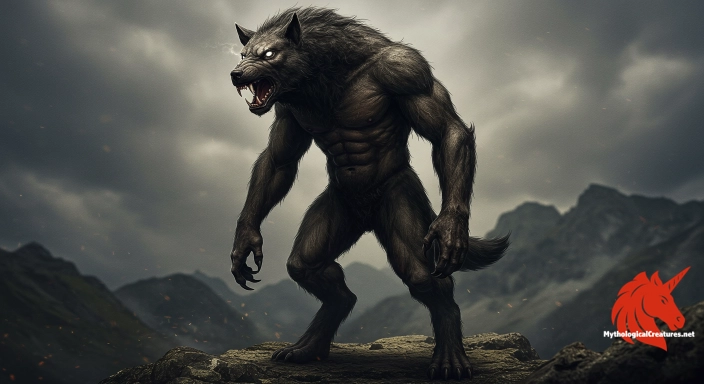
Palis - Acts as a cautionary symbol of nocturnal peril in desert legends.
Origins & First Encounters
The Palis is an enigmatic vampiric entity that originates from the rich tapestry of Arabic folklore, where the harsh desert environment breeds legends as merciless as the sun itself. Its mythic beginnings are embedded in ancient desert lore, where nightfall brings both beauty and terror. Emerging from oral traditions, the creature is said to prowl the sands, preying upon those who find solace in sleep. The legend of the Palis is thought to have been first attested in early medieval tales, where it symbolised the dangers lurking beyond civilisation. Over time, its myth has evolved and absorbed influences from a variety of cultural influences in the region. The creature’s eternal thirst for blood is a central theme that underscores the mysterious interplay between life and death in an unforgiving landscape. Many narratives suggest that the Palis embodies the desert’s harsh realities, warning of the fine line between survival and peril. Its story serves not only as a supernatural warning but also as a reminder of the desert’s capacity to both nurture and destroy.
Source Texts & Tale Variants
Oral traditions and sporadic medieval manuscripts form the primary corpus of sources recounting the exploits of the Palis. Early storytellers in the Arab world wove its legend into the fabric of nightly tales around desert campfires, ensuring its survival through generations. Variations in these narratives reveal a creature that is both singular and multifaceted: some accounts speak of a solitary predator, while others imbue it with a cursed lineage tied to ancient misdeeds. The creature is often depicted in texts that describe encounters on the fringes of civilisation, where the desert stretches endlessly. A number of these sources point to the bizarre method of its feeding, wherein the creature licks the soles of sleeping victims to drain their blood. In several story variants, the Palis is intertwined with themes of retribution and caution against isolation in the wilderness. Lesser-known folklore manuscripts have expanded on the myth, sometimes merging its identity with that of other supernatural desert spirits. Despite the scarcity of a unified literary canon, these diverse sources collectively enhance its eerie allure and enduring mystique.
Form & Powers
The physical form of the Palis is described with a blend of human and spectral features that evoke both familiarity and strangeness. It is often portrayed as a gaunt, almost emaciated figure whose presence seems barely tangible against the vast desert horizon. Tales frequently mention extended, sinewy limbs and a face etched with the marks of countless desert nights. Its skin is said to have a pallid quality reminiscent of moonlight on sandy dunes, often contrasted by eyes that burn with an otherworldly intensity. A defining characteristic is its unusual feeding mechanism, where the creature’s mouth is depicted as capable of elongating in a serpentine manner to access blood from the soles of its victims. Some descriptions lend the Palis an almost amorphous quality, as if its appearance shifts subtly with every encounter. The creature's size is generally comparable to that of a human, yet its silhouette and the shadows that accompany it suggest a presence far more menacing. Such vivid imagery serves to underscore both its supernatural origins and its deadly purpose.
Regional Faces
The Palis myth has been adapted and reinterpreted across various regions of the Arab world, reflecting local beliefs and environmental nuances. In the vast expanses of the Arabian Peninsula, it is often seen as a solitary wanderer, haunting ancient ruins and deserted waterholes. North African interpretations sometimes blend its lore with local jinn traditions, resulting in a rich hybrid of supernatural attributes. Among Bedouin communities, the creature is both a cautionary tale and a spectral embodiment of the desert’s unpredictability. In some regions, the method of blood extraction is given greater emphasis, transforming the act into a symbolic reversal of vulnerability. Local adaptations also occasionally introduce moral themes, warning against the isolation and heedlessness that the endless desert can provoke. Variations in the narrative ensure that each telling is imbued with the cultural and environmental characteristics unique to that locale. Thus, the regional diversity within the folklore of the Palis enriches its myth, making it a dynamic emblem of desert mysticism.
Cultural Parallels
The legend of the Palis finds intriguing parallels in a number of vampiric and supernatural traditions around the world. Like the well-known European vampire, it possesses an insatiable desire for blood, though its method of attack is singularly tied to its desert habitat. Comparative studies have noted similarities between the Palis and various jinn figures, both of which occupy the liminal spaces between the natural and the supernatural. In some Eastern traditions, creatures with similar attributes have been depicted as night-haunting spirits or as punishing agents, adding layers of moral ambiguity to their narratives. The method of blood-draining by targeting vulnerable parts of the human body distinguishes the Palis from its Western counterparts, highlighting a cultural specificity in its lore. Alongside other nocturnal entities that emerge in times of duress, the Palis represents a universal fear of the unknown hidden in isolation. The stories around it echo motifs found in other cultures where the merging of human frailty and predatory force is a common theme. This cross-cultural resonance enhances its place in the broader dialogue of mythological creatures that haunt the boundary between myth and reality.
Legacy & Modern Evolution
Historically, the depiction of the Palis has evolved from its murky roots in desert legend to a more refined figure in modern popular culture. Early tales presented it as an almost allegorical force, staining the desert with dread and serving as a cautionary figure for unwary travellers. In more recent times, the myth has been reimagined in literature and film, where it is portrayed as a complex symbol of isolation and the harshness of nature. Contemporary portrayals often embellish its eerie characteristics with modern narrative techniques, highlighting both its grotesque and tragic aspects. Artists and writers have reinterpreted the Palis as a metaphor for the parasitic nature of hidden dangers, echoing the timeless human apprehension of the unknown. Its portrayal has been enriched by modern visual media, where heightened contrasts and surreal aesthetics bring its spectral form to life. The creature’s evolution in myth reflects broader shifts in societal fears and the continued allure of vampiric legends. Ultimately, the Palis endures as a potent icon of mythic horror—a bridge between ancient desert mysticism and the modern fascination with the supernatural.
Interesting Fact
Unlike traditional vampires that bite, the Palis has a uniquely unsettling feeding method—draining blood by licking the soles of sleeping victims' feet—which sets it apart in mythological lore.
For serious myth projects
Feature your work alongside the legends
From academic works to story-rich games, we highlight projects that respect world mythologies. Talk to us about a measured, long-term placement.
Start a conversationQuick Creature Info
Origin:
Features:
Our Mythic Legendary Rating:

Habitat:
Supernatural Powers:
Physical Attributes:
Abilities:
Behavior:
Weaknesses:
Lore:
Related Creatures, Tales or Lore
References
Discover Another Mythical Legend You May Not Have Heard Of?
Uncover the mysteries of ancient folklore and expand your knowledge of legendary beings from cultures around the world.
Dare to Meet the Itbarak....
Curated by the Mythological Creatures Team
Series editor: Mythological Creatures Directory
Primary desk: Hellenic & Ancient Mediterranean Desk
(rev. November 2025)