
Papa Bois: Papa Bois is a protective, folkloric guardian of the Caribbean forests, depicted as a short, elderly man with distinctive animal traits and magical shape-shifting powers.

Papa Bois
Papa Bois - Emblematic figure representing the guardianship of nature and the importance of respecting the forest
the legend in five swipes.
the legend in five swipes.
The Beginnings of Papa Bois
Papa Bois is a storied figure whose origins are woven into the rich tapestry of Caribbean folklore, particularly in islands such as St. Lucia, Dominica, Trinidad and Tobago, and Grenada.
His name, derived from French patois meaning 'father of the woods', reflects a deep cultural respect for the natural environment.
Emerging from a fusion of African, indigenous, and European influences, his legend grew during the colonial era and took on qualities that symbolise both guardianship and mystery.
Stories of Papa Bois portray him as a protector whose role is to safeguard the forests and its inhabitants from harm.
This mythic character is often introduced as the keepers of the forest, embodying the vital bond between humanity and the natural world.
Local traditions recount that encounters with him are moments laden with respect and cautious admiration, communicated through polite greetings.
The enduring narrative of Papa Bois serves as a cultural reminder of the need to maintain balance with nature.
Through the centuries, his figure has become a moral emblem that encourages environmental mindfulness and reverence for the wild.
Where can you read about Papa Bois?
Tradition holds that Papa Bois has passed through the generations via a variety of oral and written sources that capture the spirit of the Caribbean.
Folktales recounted by local communities fill the narrative with vivid details that vary from island to island.
Early accounts were preserved in French patois and later recorded by folklorists who sought to document the island’s mystical heritage.
These accounts, emerging from both rural storytelling sessions and early literary collections, offer divergent but richly detailed portrayals.
Local storytellers often paint his adventures in the context of moonlit forest escapades and secret nocturnal meetings with wildlife.
Modern compilations of Caribbean folklore have ensured that the legend of Papa Bois remains accessible to wider audiences.
The mix of historical texts and evolving oral traditions provides a layered understanding of his character.
This continuous documentation illustrates a dynamic blend of cultural influences that keep his myth vibrant and deeply rooted in community memory.
What powers did Papa Bois have?
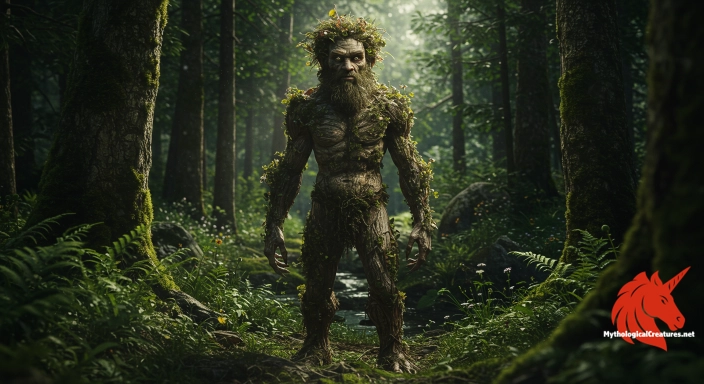
In vivid depictions, Papa Bois appears as a short, elderly man of African descent whose features are both human and supernaturally wild.
Notably, legends describe one of his legs as ending in a large cloven hoof, a detail that underlines his otherworldly nature.
A mane of leaves is said to form his beard, integrating the very essence of the forest into his appearance.
Small horns sprout subtly from his forehead, hinting at mythic origins and connections with ancient nature deities.
His entire body is covered in a thick, matted growth of hair reminiscent of a donkey’s, which enhances his fierce image among local wildlife.
Clutching a hollowed-out bull’s horn, he uses it to alert forest creatures of imminent danger, blending practicality with mysticism.
His legendary ability to metamorphose, particularly into a graceful deer, emphasises his fluid relationship with the animal kingdom.
This mutable physicality not only captivates the imagination but also symbolises the seamless merger between man and nature.
The robust, muscular structure beneath his wild exterior portrays enduring strength, despite his venerable age.
In some variant accounts, his form shifts towards that of a large, imposing indigenous opossum, further illustrating the diverse representations of his physical presence.
Where was Papa Bois best known?
Across the Caribbean, the portrayal of Papa Bois adapts to local traditions and environmental settings, resulting in a variety of interpretations.
In Trinidad and Tobago, as well as Dominica and St. Lucia, he is often depicted as an elderly yet agile guardian of the forest, his human traits interwoven with supernatural qualities.
On the island of Grenada, however, the narrative sometimes transforms him into a colossal manicou, an interpretation that highlights regional fauna.
This transformation reflects local perceptions of the wild, where the boundaries between human attributes and animalistic essence become fluid.
In some communities, emphasis is placed on his ability to morph into a deer, casting him as both a benevolent guide and a trickster.
Musical intonations and ceremonial recountings serve to adapt the legend to each locale’s unique cultural rhythm.
Festivals and ritual celebrations further personalise his image, aligning his myth with locally revered natural landmarks.
Such regional nuances underscore a broader cultural dialogue about the interconnectedness of people and the environment.
Every version retains the core ideal of a forest protector, yet each is coloured by the distinct ecological and social landscapes of the area.
The Global Cousins of Papa Bois
Globally, Papa Bois resonates with archetypal figures who serve as custodians of nature, echoing similar motifs found in many cultural mythologies.
His character invites comparison with the European Green Man, celebrated for embodying the lush spirit of the forest.
Like the mythic Pan of ancient Greek lore, Papa Bois merges human and beastly elements to reflect the raw, untamed force of nature.
This syncretism is indicative of a universal reverence for woodland deities that protect the delicate balance between civilisation and the wild.
Across several cultures, analogous guardians have appeared as both protectors and tricksters, blurring the lines between benevolence and mischief.
His versatile persona also finds echoes in indigenous American legends, where nature spirits guide and test those who venture into the wilderness.
The overlapping themes of transformation and otherworldly presence further cement his place among the revered protectors of nature.
Such cross-cultural connections demonstrate that the symbol of the forest guardian transcends geographical and ethnic boundaries.
This multifaceted role reiterates a common human impulse to seek relationships with, and guardianship of, the natural world.
Thus, Papa Bois not only embodies native Caribbean lore but also participates in a global tradition of veneration for the earth’s wild sanctuaries.
Papa Bois: Modern Retellings and Reinventions
The enduring legacy of Papa Bois is marked by a gradual evolution in both perception and representation over the centuries.
What once was a cautionary tale shared in hushed tones around tropical forests has metamorphosed into a celebrated emblem of environmental stewardship.
His image now adorns festivals, cultural performances, and artistic expressions that highlight the interdependency between humanity and nature.
Contemporary portrayals frequently emphasise his role as a moral guardian against the exploitation of natural resources.
Modern storytellers and environmentalists alike have embraced his myth, adapting it to address current ecological concerns.
The fusion of traditional folklore with modern eco-activism has redefined him as a symbol of sustainability and respect for biodiversity.
Modern art, literature, and even digital media have reinterpreted his narratives, ensuring that his presence persists in a rapidly changing world.
As urbanisation and industrialisation expand, Papa Bois remains a potent reminder of the timeless wisdom embedded in ancient nature-centric lore.
This dynamic reimagining honours both the historical roots of the myth and its relevance to contemporary issues of conservation and environmental justice.
In bridging the past with the present, his legend continues to inspire a profound respect for the intrinsic value of the natural world.
Interesting Fact
An intriguing aspect of Papa Bois is his dual representation; while he is typically depicted as a wild, human-like forest guardian, some traditions also portray him as a gigantic opossum (Manicou), highlighting the diverse and rich interpretations of his character across the Caribbean.
Mythological Treasures
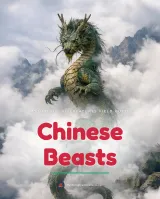
Chinese Beasts: A field guide to the dragons and demon kings of Chinese myth
From river dragons to demon kings, with the legends that shaped five thousand years of storytelling.
Japanese Yōkai: A field guide to the spirits and demons of Japanese folklore
Fifteen spirits, with the signs to watch for and what the old tales say to do if you meet one.
Greek Myths: A field guide to the monsters of ancient Greece
Every monster here earned its place in legend, and each gets a full page of artwork and the story behind it.
the legend in five swipes.
For authors, artists, and makers
Created something from the realm of myth?
If your book, deck, game, or artwork draws from legendary creatures and lore, you can showcase it here in a tasteful, year-round placement.
Share your projectQuick Creature Info
Associations:
Our Mythic Legendary Rating:

Also Sometimes Known As:
Habitat:
Supernatural Powers:
Physical Attributes:
Abilities:
Behavior:
Lore:
Related Creatures, Tales or Lore
- GGreen Man
- JJack in the Green
- MManitou
References
Discover Another Mythical Legend You May Not Have Heard Of?
Uncover the mysteries of ancient folklore and expand your knowledge of legendary beings from cultures around the world.
Dare to Meet the Germakochi....
The Mythological Creatures Book Series
Yōkai, Greek, Norse, Egyptian & Chinese. Five illustrated field guides to the creatures the old stories either warned or told you about.

Curated by the Mythological Creatures Team
Series editor: Mythological Creatures Directory
Primary desk: African & Diaspora Traditions Desk
(rev. November 2025)