
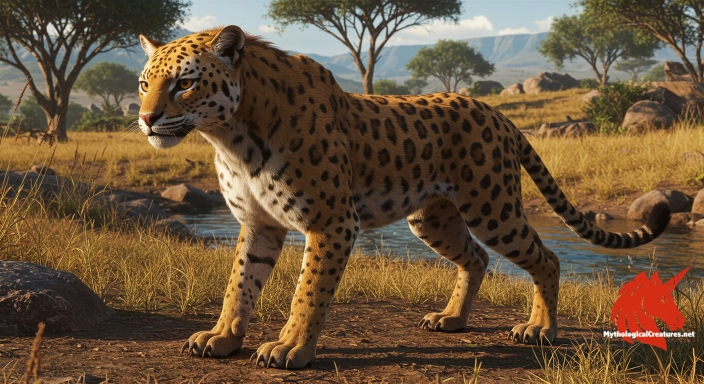
Pard: The pard is a mythologised leopard from ancient Greek texts and medieval bestiaries.
Pard
Pard - The pard represents the exotic and untamed aspects of nature, often used allegorically in literature.
the legend in five swipes.
the legend in five swipes.
When was the Pard first written about?
The pard, whose name derives from the ancient Greek word for leopard, has long held a place of fascination in both myth and natural history. Born from a tradition that interwove observation with allegory, this creature first emerged in classical discussions that celebrated its wild charm and elusive nature. Early Greek sources hinted at its dual role as both a real beast and a symbol of untamed beauty, setting a stage that resonated deeply in later narratives. The pard was embraced by medieval bestiaries, where its image morphed into one filled with moral symbolism and spectral allure. Artists and writers of the time depicted it as a creature embodying both magnificence and latent danger. Its image, at once majestic and insubordinate, served as a mirror for the qualities of freedom and ferocity. The mingling of factual observation with mythic embellishment ensured that the pard became more than a mere animal—it became a representative of the wild spirit of nature. This synthesis of natural history and myth has granted the pard an enduring legacy that echoes across centuries.
Pard: From Oral Tale to Written Record
Ancient texts such as Pliny the Elder’s Natural History offer some of the earliest recorded accounts of the pard, interlacing natural observations with elements of the fantastical. Greek literature provided a fertile ground for further elaboration, blending scientific descriptions with the grandeur of myth. As centuries passed, the creature's depiction was enriched by a wealth of medieval bestiaries, each adding layers of symbolism and moral undertones. In these manuscripts, the pard was often portrayed with variations that reflected the evolving narrative needs of different communities. Some texts present the creature with unique attributes, such as a subtle mane or altered tail proportions, to highlight its enigmatic essence. The diversity of primary sources results in a patchwork of story variants, each mirroring the cultural context of its origin. This plurality has allowed scholars to trace the transformation of the pard from a mere animal in nature to an emblem of deeper allegorical meaning. The convergence of these sources underscores the complex dialogue between observation and myth-making over time. Ultimately, this rich textual heritage has cemented the pard’s place as a creature of both historical and imaginative significance.
What abilities did the Pard have?
The physical portrayal of the pard is steeped in detail, with its most recognisable feature being a coat adorned with distinctive spots. This characteristic pattern is often highlighted to evoke an image of both beauty and lethal precision in the hunt. Artists have painted the creature with an emphasis on its sleek, muscular build, capturing the fluid dynamics of a predator in motion. Some depictions even introduce hints of a mane, lending the pard an air of regality that distinguishes it from ordinary leopards. Variations in tail length further enrich its visual narrative, as some accounts envision a short, almost compact tail that enhances its agile appearance. Its intense gaze and defined facial structure are repeated motifs that speak of both intelligence and wild instinct. In many illustrations, the interplay of light and shadow accentuates the texture of its fur, suggesting a creature that is as adaptable in form as it is in spirit. These deliberate physical details create a vivid and compelling portrait that continues to captivate enthusiasts of myth and nature alike.
Pard: Regional Versions and Local Names
The depiction of the pard has encountered a range of adaptations as it traversed different cultural landscapes. In the classical Greco-Roman realm, the creature was often celebrated for its natural elegance and as a symbol of the untamable wilderness. With its journey into medieval Europe, particularly in illuminated manuscripts and bestiaries, artists began to infuse the pard with rich allegorical meanings reflecting both moral virtues and vices. In regions such as the Italian and southern French artistic circles, subtle changes such as an added mane or altered bodily proportions were introduced to reflect local tastes and symbolic interpretations. Meanwhile, narratives emerging from Eastern traditions chose to focus more on its stealth and mystique, emphasising its role in metaphorical storytelling. Every regional retelling has modified details to resonate with specific social and environmental contexts while maintaining a core identity as a noble, spotted feline. These variations illustrate the dynamic interplay between a shared natural inspiration and local cultural imaginations. Ultimately, the pard serves as a unifying yet versatile figure whose broad appeal transcends geographical and temporal boundaries.
Pard: Parallels in Other Cultures
The pard finds intriguing parallels with a host of other mythological and symbolic creatures across different cultures. Much like the lion, it exudes a sense of majesty and danger, yet its distinctive spotted coat sets it apart with a touch of exotic intrigue. Similar to other revered big cats found in diverse mythologies, the pard has come to represent a perfect blend of beauty, cunning, and raw power. In several traditions, comparisons are drawn between the pard and the jaguar, both creatures celebrated for their stealth and enigmatic presence in the wild. Furthermore, many cultures have endowed their local wild cats with attributes that mirror the pard’s narrative of duality—both as majestic beings and as portents of the mysterious forces of nature. While some artistic depictions across different cultures stress the creature's physical ferocity, others focus on its symbolic role as a guardian of the threshold between the known and unknown. Such comparative analyses reveal a recurring theme where all these creatures serve as metaphors for the untamable aspects of nature and humanity. This cross-cultural dialogue reaffirms the pard’s unique position within the broader spectrum of mythological beasts, underscoring its enduring appeal and significance.
Pard: From Folklore to Pop Culture
The legacy of the pard has evolved significantly from its early roots in classical and medieval literature to its contemporary incarnations in art and popular media. Its journey from a literal observation in natural history texts to a richly layered mythic archetype exemplifies the fluid nature of cultural symbolism. Over the centuries, the pard’s image has been reimagined by artists, writers, and filmmakers, each adaptation reflecting changing societal values and artistic sensibilities. Early versions often imbued it with moral and allegorical lessons, while modern portrayals celebrate the dynamic essence of the wild and the untamed. Its evolution mirrors the transformation of myth in response to modernity, where natural history and imaginative exploration converge. Contemporary portrayals sometimes emphasise its role as an emblem of resilience and raw beauty, inviting modern audiences to explore themes of freedom and primal power. This sustained cultural relevance is further reflected in the creature’s presence in a variety of media, from graphic novels to cinematic adventures. In every era, the pard continues to inspire admiration, serving as a bridge between the storied past and the creative landscapes of today.
Interesting Fact
An interesting observation is that some medieval depictions of the pard include a mane—a feature typically associated with lions—which has contributed to debates about its true identity in bestiary traditions.
Mythological Treasures
Greek Myths: A field guide to the monsters of ancient Greece
Every monster here earned its place in legend, and each gets a full page of artwork and the story behind it.
Japanese Yōkai: A field guide to the spirits and demons of Japanese folklore
Fifteen spirits, with the signs to watch for and what the old tales say to do if you meet one.
Norse Sagas: A field guide to the beasts of the Viking world
Drawn from the saga accounts themselves, with the powers, weaknesses and doom of each being set out.
the legend in five swipes.
Reach myth fans
Connect your myth-driven brand with this audience
Our readers are writers, educators, gamers, and collectors who care about mythology. Enquire about a limited sponsor placement on creature pages.
Enquire about sponsorshipQuick Creature Info
Origin:
Features:
Associations:
Our Mythic Legendary Rating:

Also Sometimes Known As:
Habitat:
Physical Attributes:
Abilities:
Behavior:
Lore:
Related Creatures, Tales or Lore
- LLion
- PPanther
- CCheetah
References
Discover Another Mythical Legend You May Not Have Heard Of?
Uncover the mysteries of ancient folklore and expand your knowledge of legendary beings from cultures around the world.
Dare to Meet the Fengxi....
The Mythological Creatures Book Series
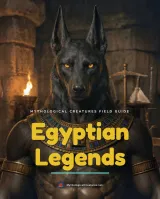
Yōkai, Greek, Norse, Egyptian & Chinese. Five illustrated field guides to the creatures the old stories either warned or told you about.


Curated by the Mythological Creatures Team
Series editor: Mythological Creatures Directory
Primary desk: Hellenic & Ancient Mediterranean Desk
(rev. November 2025)