
Pelesit: The Pelesit is a familiar spirit from Malay folklore that typically manifests as a cricket or grasshopper.

Pelesit
Pelesit - Embodies ancient Malay animistic practices and dark ritualistic traditions, serving as both a possession tool and a harbinger of supernatural madness.
Origins & First Encounters
Pelesit occupies a distinctive place within the rich tapestry of Malay folklore, embodying both mystery and menace. Its origins stretch back to pre-Islamic animistic traditions in the Malay archipelago, where spirits and nature were seen as inherently intertwined. The creature is mentioned in oral histories and ritualistic practices that date back centuries, situating it as a timeless agent of both mischief and malevolence. Tales of the pelesit have been woven into the cultural fabric of regions like Kedah, where supernatural forces were believed to be as real as the world around them. Traditionally, this spirit is entrusted only to women, adding layers of gendered mystique and social commentary to its legend. The term itself, derived from the buzzing sound made by an insect, hints at its unassuming origin as a familiar form of nature. Over time, the pelesit has been described as both a benign companion and a dangerous invader, reflecting the complex interplay between human control and supernatural phenomena. Its myth serves as a lens through which ancient beliefs and evolving social norms can be understood. The enduring narrative of the pelesit highlights the synthesis of natural observation and mystical symbolism in traditional Malay society. Even today, this creature continues to fascinate by evoking the enigmatic power of unseen realms.
Source Texts & Tale Variants
Traditional Malay folklore is the cornerstone of what is known about the pelesit, with much of the knowledge transmitted orally and by local shamans. Stories passed down through generations detail the elaborate rituals required to summon and control this spirit, including the striking act of severing a dead child’s tongue. While the primary sources consist mainly of anecdotal traditions and ritual incantations, they offer a rich, if fragmented, portrait of its supernatural role. Chroniclers from the colonial era, though sporadic in their accounts, have preserved various narrative strands that hint at the pelesit’s multifaceted character. Different communities sometimes refer to the spirit as palasik, with slight variations that emphasise its inherent connection to natural sounds. Some narratives even juxtapose the pelesit with its male counterpart, the bajang, underlining a distinct gender-based classification among supernatural entities. Folktales recount dramatic encounters where the pelesit invades its victim’s body through the mouth, a detail that has been consistently maintained in older manuscripts and oral lore. Variants of its story can also be found in local ritual manuals used by traditional healers, demonstrating its integral role in the practice of shamanism. The diversity of these sources reveals the dynamic nature of belief systems as they adapt to regional and temporal influences. Overall, the documented narratives provide a deep well of insight into the cultural significance and supernatural lore of the pelesit.
Form & Powers
The pelesit is primarily portrayed as a small, buzzing insect, usually taking the form of a cricket or, less commonly, a grasshopper. Its physical form, though seemingly mundane, is charged with an uncanny energy that transcends ordinary insect behaviour. The creature is depicted with a delicate exoskeleton that catches slivers of light, giving it an almost ethereal shimmer in the dark. Its slender limbs and tiny wings contribute to an agile movement that belies its supernatural capabilities. Often, the creature is described as having an innate ability to disappear into the shadows, only to reappear when it is ready to enact its eerie influence. Its entrance into a victim’s body, tail-first, is one of the most distinctive aspects of its anatomy, symbolising an inversion of natural order. Despite its diminutive size, the pelesit is endowed with attributes that suggest intelligence and purpose, making it far more than a mere insect. Variations in descriptions sometimes highlight subtle differences in colour and form, hinting at a mutable, almost chameleon-like nature. The buzzing sound itself is considered a physical manifestation of its spirit, resonating as a harbinger of impending supernatural activity. In essence, the pelesit is as much a product of physical description as it is of its deeply symbolic role within the folklore.
Regional Faces
While the pelesit is most closely associated with Malay culture, its portrayal exhibits intriguing regional variations across Southeast Asia. In the heartlands of Kedah, for instance, the spirit is embedded in local customs and the ritualistic practices of traditional shamanism. Rural communities often recount its exploits with an emphasis on its auditory manifestations, linking the buzzing sound to the natural rhythms of the night. In some areas, the creature is regarded as a benign harbinger that warns of coming changes, while in others it is feared for its capacity to cause psychological and physical havoc. The methods of summoning and controlling the pelesit also differ, with regional rites tailored to local traditions and spiritual philosophies. Variations in the narrative sometimes lead to a blurring of identity between the pelesit and other familiar spirits, such as the bajang. Despite these differences, the core theme of an intimate connection between the spirit and its human host remains constant. Cultural adaptations have allowed the pelesit to reflect regional values and social dynamics, sustaining its presence in local lore. This diversity in depiction illustrates how communities modify ancient mythologies to align with their unique cosmological views. Ultimately, the regional variations of the pelesit underscore the adaptability and enduring nature of folkloric traditions.
Cultural Parallels
The myth of the pelesit finds fascinating parallels with familiar spirits in many other cultural traditions, bridging disparate folklores with common themes of possession and supernatural intervention. In European witchcraft, for example, familiar spirits often take the form of small animals that serve as both aides and agents of mischief, echoing the role of the pelesit in Malay narratives. Similar to the Celtic pooka, this creature embodies the duality of being both a trickster and a conduit between the natural and supernatural worlds. Its counterpart, the bajang, reinforces the idea that gender plays a transformative role in the realm of magical beings within Malay mythology. There are also thematic similarities with certain Middle Eastern djinn, whose unpredictable behaviour and ability to possess humans resonate with the pelesit’s mode of operation. In various indigenous cultures, small animal spirits are revered as intermediaries whose presence can be simultaneously protective and perilous. The buzzing nature of the pelesit also mirrors the symbolic use of sound and flight in other mythological creatures, underscoring a shared human fascination with the mysterious qualities of the natural world. This comparative framework not only enhances our understanding of the pelesit but also reveals a universal narrative of human interaction with the unseen. Such cross-cultural connections highlight the ways in which diverse societies interpret and navigate the boundaries between the mundane and the magical. In drawing these parallels, the pelesit emerges as a unique yet universally relatable figure in the global tapestry of myth.
Legacy & Modern Evolution
The historical evolution of the pelesit reflects the dynamic interplay between traditional beliefs and modern sensibilities in the Malay world. In earlier times, the spirit was deeply feared and intricately tied to ritualistic practices and shamanistic intervention. Over the centuries, as cultural paradigms shifted with the influence of monotheistic religions and modernisation, the narrative surrounding the pelesit also underwent significant reinterpretation. Modern depictions in literature and film have transformed this once-dreaded spirit into a complex symbol of inner turmoil and the blurred boundaries between psychological states and supernatural forces. Contemporary interpretations often use the pelesit as a metaphor for the disruptive influence of unseen energies in a rapidly changing society. The enduring association of the spirit with female ownership has provided a fertile ground for discussions about gender, power, and tradition in the modern era. Even as rationalist thought has gained prominence, the pelesit continues to inspire cultural productions and academic discourse, serving as a link to earlier, mystical ways of understanding the world. Its legacy is perpetuated not only through the retelling of ancient rites but also via modern media that reimagine its defiant character. The spirit's transformation reveals the resilience of folklore and its capacity to adapt to new narratives while retaining its enigmatic core. Ultimately, the pelesit persists as a potent emblem of the interlacing of heritage, myth, and the human need to confront the mysteries that lie beyond the seen.
Interesting Fact
An intriguing aspect of the Pelesit is its method of creation, which involves a macabre ritual using a dead child's tongue, underscoring the deep-seated fears and dark practices of ancient Malay animistic traditions.
Partner with us
Sponsor this space
Reach thousands of mythology enthusiasts with a curated placement on our creature pages.
Learn about sponsorshipQuick Creature Info
Origin:
Features:
Associations:
Our Mythic Legendary Rating:

Also Sometimes Known As:
Habitat:
Supernatural Powers:
Physical Attributes:
Abilities:
Behavior:
Weaknesses:
Lore:
Related Creatures, Tales or Lore
- BBajang
- PPenanggal
- TToyol
References
Discover Another Mythical Legend You May Not Have Heard Of?
Uncover the mysteries of ancient folklore and expand your knowledge of legendary beings from cultures around the world.
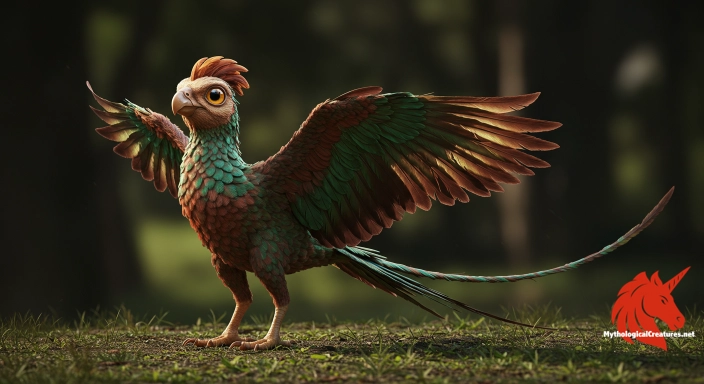
Dare to Meet the The Cu Bird....
Curated by the Mythological Creatures Team
Series editor: Mythological Creatures Directory
Primary desk: Asian & Pacific Myth Cycles Desk
(rev. November 2025)