
Petraea: Petraea is a multifaceted figure in Greek mythology, known both as a fair Oceanid daughter of Oceanus and Tethys and as an epithet for the monstrous sea creature Scylla, who dwells on a rock.
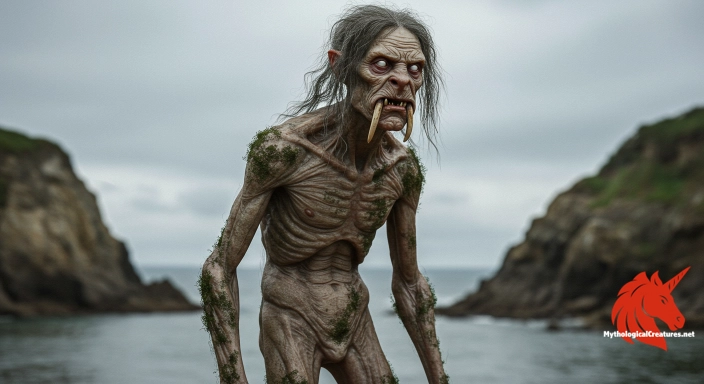
-da91df53-01d5-4af7-9d38-8ecde0499754_small.webp "Petraea - Embodies the duality of nature by representing both the life-giving and destructive forces of the sea and rocky landscapes")
Petraea
Petraea - Embodies the duality of nature by representing both the life-giving and destructive forces of the sea and rocky landscapes
Origins & First Encounters
Petraea emerges from the labyrinth of Greek mythology as an enigmatic figure whose very name, meaning 'of a rock', hints at a deep connection with the elemental forces of nature. She is traditionally recognised as one of the Oceanids, the water nymphs born from the union of Oceanus and Tethys, which places her among a vast and diverse divine lineage. Her myth is steeped in a duality that fuses the gentle allure of flowing water with the steadfast resilience of rocky landscapes. This intriguing blend of characteristics renders her both nurturing and formidable in the collective imagination.
In certain traditions, Petraea is also invoked as a surname of Scylla, thereby linking her to a more fearsome and tempestuous aspect of myth. Her portrayal in early texts, though brief, hints at regional veneration where natural landscapes and divine figures intermingle. Ancient narratives weave her identity into the fabric of local cults and poetic expressions, underscoring her symbolic importance. Thus, the legend of Petraea encapsulates the eternal dialogue between softness and strength, fluidity and solidity, making her a multifaceted emblem in classical lore.
Source Texts & Tale Variants
Ancient sources provide only fragmented glimpses of Petraea’s myth, with early poetic works and mythographic compendia offering modest references to her character. Some scholia on epic literature mention her among the 3,000 daughters of Oceanus and Tethys, although these allusions are brief and leave much to interpretation. Lexicons and minor texts occasionally note her association with rocky terrains, a detail that has fueled alternate readings in local traditions. Additionally, the use of Petraea as an epithet for Scylla emerges in certain commentaries, suggesting a fluid interchange between identities in the mythic tradition.
Regional folklore and oral traditions further embellish her story, providing variants that blend aquatic grace with the ruggedness of stone. In some versions, her role shifts subtly from a benign water spirit to a more cautionary emblem, whose rocky domain holds both beauty and peril. These narrative variants are reflective of the mutable nature of myth, where local customs and artistic licence often reshape ancient accounts. The cumulative tapestry of these diverse sources highlights the complexity and enduring appeal of Petraea’s myth.
Form & Powers
Petraea’s physical depiction is as enigmatic as her lore, frequently illustrated with an otherworldly beauty that combines ethereal grace with the robust solidity of stone. Visual representations often show her with flowing, luminous hair that cascades like a waterfall along her shoulders, evoking the fluidity of water and the texture of fine, polished rock. Her eyes are described as deep and reflective, resembling the shimmering surface of a calm sea and hinting at hidden depths of emotion and mystery. Some ancient artworks suggest subtle markings on her skin reminiscent of natural fissures or veins in stone, symbolising the intricate bond between water and earth.
The contours of her form are rendered with a delicate balance between softness and strength, embodying the dual nature of her myth. Artists have varied her stature from a slight, almost diminutive figure exuding fragility, to a more imposing presence that commands respect like the enduring cliffs along a treacherous shore. Her attire and adornments are often inspired by natural motifs—flowing drapery that mimics cascading water and accessories fashioned from elements found in rocky landscapes. This fusion of elements reinforces the notion that Petraea is not confined to a singular form but rather personifies a harmonious blend of natural forces.
Regional Faces
Across different regions of the ancient Greek world, Petraea is celebrated with a variety of interpretations that mirror the local environment and cultural ethos. In coastal communities, she is often seen as a guardian spirit who inhabits rocky outcrops and windswept cliffs, where the tumult of the sea meets the permanence of stone. Festivities and local rituals sometimes honour her presence, with communities invoking her duality as both a benevolent nurturer and a stern symbol of nature’s might. These regional celebrations serve as a reminder of the natural interplay between water and rock that defines many coastal landscapes.
In areas where maritime lore is deeply embedded, the epithet Petraea is interwoven with the legend of Scylla, highlighting a more ominous aspect of her character. Such communities often portrayed her in narratives that caution against the dangers of the sea, even as they celebrated its bounty. In contrast, inland areas tended to focus on her gentle, life-giving aspects, celebrating her as a muse who inspired local art and poetry. Overall, the regional variations in her myth underscore a flexible identity that adapts to the unique characteristics of each locale, ensuring her enduring relevance across diverse cultural landscapes.
Cultural Parallels
Petraea’s myth finds intriguing parallels in the broader spectrum of water and earth deities featured in various mythological traditions. Like other Greek nymphs such as the Naiads and Oreads, she embodies the seamless merger of the aqueous and the terrestrial, representing both the nurturing and destructive capacities of nature. Her dual identity also recalls figures from different cultures, where local deities personify similar natural elements—for instance, the Celtic water spirits and the Slavic rusalki, which similarly traverse the realms of beauty and danger. This interplay of elements is a common theme in mythologies around the world, suggesting a universal human fascination with nature’s paradoxical forms.
Furthermore, the variant of her identity as an aspect of Scylla invites comparison with other legendary figures who straddle the line between benevolence and peril. The fusion of gentle water nymph attributes with the more ferocious, protective symbolism of rocky fortresses speaks to a shared cultural motif found in many ancient narratives. Such cross-cultural comparisons reveal that Petraea, much like other mythic figures, serves as a vessel for expressing the complex interrelations between life, nature, and the passage of time. Ultimately, her legend contributes to a broader conversation among world mythologies, underscoring how nature’s dualistic spirit is universally revered.
Legacy & Modern Evolution
The character of Petraea, despite her relative obscurity in major mythological compendia, has undergone a subtle yet significant evolution through the ages. Early mentions in fragmented texts have given way to richer artistic and literary reinterpretations that highlight her emblematic role as the union of watery grace and rugged strength. During the medieval and Renaissance periods, echoes of her myth could be found in texts and artworks that celebrated the beauty and power of nature, often imbuing local landscapes with a sense of divine presence. As modern artists sought to reconnect with classical traditions, Petraea emerged as a potent symbol of the eternal dialogue between transient beauty and enduring natural forces.
In contemporary times, her image has been revitalised through various creative endeavours, ranging from poetic musings to visual art installations that explore the interplay of light, water, and stone. Writers and environmental thinkers alike have found in her a compelling metaphor for the delicate balance between preservation and progress in the natural world. The modern portrayal of Petraea often emphasises her role as a muse and a guardian of the wild, inspiring new interpretations that blend myth with ecological awareness. Thus, her enduring legacy continues to evolve, reflecting both a timeless allure and the lasting power of nature’s elemental rhythms.
Interesting Fact
An intriguing aspect of Petraea is her dual identity, which allows her to simultaneously represent the nurturing qualities of a water nymph and the terrifying attributes of a monstrous sea predator.
Limited sponsor opportunity
One slot, carefully chosen partners
We only feature a small number of relevant sponsors at any time. If you create serious myth content, we would like to hear from you.
Partner with usQuick Creature Info
Origin:
Features:
Associations:
Our Mythic Legendary Rating:

Habitat:
Supernatural Powers:
Physical Attributes:
Abilities:
Behavior:
Lore:
References
Discover Another Mythical Legend You May Not Have Heard Of?
Uncover the mysteries of ancient folklore and expand your knowledge of legendary beings from cultures around the world.
Dare to Meet the Groac'h....
Curated by the Mythological Creatures Team
Series editor: Mythological Creatures Directory
Primary desk: Hellenic & Ancient Mediterranean Desk
(rev. November 2025)