
Scylla: Scylla is a fearsome sea monster from Greek mythology, renowned for her multiple heads and savage appetite for sailors.

Scylla
Scylla - Represents the unavoidable dangers of the sea and the peril of choosing between two evils, as encapsulated in the idiom 'between Scylla and Charybdis'.
Origins & First Encounters
Scylla is a legendary sea creature from Greek mythology, renowned for her fierce predatory nature and tragic origins. Her transformation from a beautiful nymph into a monstrous figure encapsulates the volatility of divine favour and the unpredictable workings of fate. First introduced in Homer’s Odyssey, she emerges as a daunting presence lurking in the narrow straits, where the mere proximity to her spells imminent peril for unsuspecting sailors. The myth positions her in a lethal partnership with Charybdis, forcing navigators to confront two formidable evils at once. This blend of beauty tarnished by a curse and natural menace has resonated throughout ancient literature and art. Her story is interwoven with cultural narratives that explore themes of transformation, divine retribution, and the inherent dangers of the sea. The figure of Scylla embodies the classical preoccupation with the monstrous as an external manifestation of inner turmoil and the forces of nature. Her enduring myth has transcended its origins to offer a compelling metaphor for the inevitability of difficult choices in life. Even today, Scylla’s legend continues to captivate audiences with its intricate interplay of tragedy, beauty, and terror.
Source Texts & Tale Variants
The earliest and most influential depiction of Scylla appears in Homer’s Odyssey, where her fearsome presence endangers Odysseus and his crew as they navigate treacherous waters. Later literary works, including Virgil’s Aeneid, further enriched her narrative by linking her habitat to the famed Strait of Messina. Within these ancient texts, her origin is sometimes recounted as that of a once-beautiful nymph, later transformed into a monster by divine forces. Variations of the tale hint at the possibility of jealous deities exacting revenge, thereby casting her transformation as a divine punishment. Other retellings subtly shift her character, at times portraying her as a guardian of the sea rather than a mere embodiment of terror. The multiplicity of accounts, ranging from poetic epics to regional folklore, demonstrates how her story was adapted and reimagined over centuries. This rich tapestry of sources has provided subsequent cultures with ample inspiration, ensuring that Scylla’s myth remains dynamic and multifaceted. Each version contributes layers of nuance, revealing not only the monstrous form she assumed but also the enduring themes of beauty, loss, and retribution that she represents. Her varied portrayals underscore the fluid nature of myth, where every retelling offers a fresh perspective on familiar themes.
Form & Powers
Visually, Scylla is portrayed as a hybrid horror, blending human and bestial elements into a form that is both captivating and repulsive. Many descriptions depict her with multiple heads—often six or more—each concealing a gaping maw armed with rows of razor-sharp teeth. Her serpentine necks and churning limbs lend her an appearance that is as fluid as it is terrifying, suggesting a creature built for swift, predatory movement. Artists have often imbued her eyes with a ferocious glint, symbolising the insatiable hunger that has come to define her character. The very rocks and waves around her are rendered in a stark, dramatic fashion, enhancing the formidable presence she exerts over her domain. Detailed illustrations sometimes emphasise a textured, scale-like skin that reinforces the sense of otherworldly resilience and menace. Her shifting proportions across various depictions highlight a duality of tragic vulnerability and elemental ferocity. The amalgamation of human beauty with reptilian aspects creates an unsettling contrast that challenges the viewer’s perceptions of normality. This meticulously crafted imagery continues to spark the imagination of artists and audiences alike, guaranteeing that her visual legacy remains indelibly vivid.
Regional Faces
Regional traditions have imbued Scylla with a distinctly local flavour, linking her legend to specific landmarks in the Mediterranean. The myth is especially anchored in the area of the Strait of Messina, where the interplay of turbulent seas and rugged coastlines creates a naturally dramatic setting. Local Italian narratives, particularly in regions like Calabria and Sicily, bind her identity to the coastal town of Scilla, where her name echoes through history. These geographically rooted traditions recast her as an emblem of the capricious and often treacherous forces of the sea. The infusion of local customs has led to nuanced modifications in her portrayal, from slight shifts in her monstrous form to intricate details in her behaviour. In some folkloric accounts, Scylla is revered not solely as a monster, but as a personification of the wild, untamed spirit of the ocean. Regional art and literature frequently capture her tragic beauty, portraying her as a figure whose curses and charms are interwoven with local identity. This melding of myth with place reinforces the timeless resonance of her story across varied cultural landscapes. Her enduring legend serves as a reminder that every coastal rock and shifting tide might harbour echoes of an ancient tale. Such localized adaptations enrich the broader myth, ensuring its survival and relevance through the ages.
Cultural Parallels
In comparing Scylla to similar figures in global folklore, she emerges as a unique synthesis of danger, transformation, and tragic allure. Her reputation as a maritime terror shares thematic territory with monstrous beings like the multi-headed Hydra and other serpentine creatures from diverse mythologies. The juxtaposition of Scylla with Charybdis not only heightens the narrative tension but also symbolically represents the dilemma of facing equally formidable perils. Across various cultures, parallel myths about dual maritime threats echo the ancient motif of inescapable, intertwined dangers. This cross-cultural resonance highlights how universal the concept of a looming, unmanageable threat is in the human psyche. Her myth, like many transformation legends, reflects a broader narrative where beauty is marred by supernatural punishment, a theme prevalent in numerous traditions. The recurring portrayal of the monstrous feminine in folklore finds a compelling exemplar in Scylla, whose many forms challenge conventional boundaries. Her depiction as both a seductress and a terror invokes comparisons with other mythic figures whose narratives merge allure with danger. This interplay of common symbols and motifs underscores a shared human fascination with the liminal space between order and chaos.
Legacy & Modern Evolution
Throughout the centuries, the myth of Scylla has undergone a vibrant evolution, transitioning from ancient epic poetry to modern artistic reinterpretations. The transformation of her image—from a stark monster to a deeply nuanced, tragic figure—mirrors broader shifts in cultural attitudes and aesthetic sensibilities. During the Renaissance, artists were captivated by the duality of her nature, rendering her as both horrifying and strangely beautiful. Her legacy found new expressions in modern literature, film, and video games, where her perilous myth continues to symbolise the often inescapable dilemmas of life. Contemporary reimaginings tend to blend her monstrous origins with psychological complexity, inviting reflections on fate, retribution, and identity. The phrase ‘between Scylla and Charybdis’ remains a powerful idiomatic expression, attesting to the lasting impact of her story in everyday language. Modern artistic mediums have reawakened interest in her lore, allowing successive generations to explore new layers of her character. Her tale now serves as a potent metaphor for the struggle between human vulnerability and nature’s unbridled chaos. This ongoing evolution attests to the timeless resonance of her myth, bridging the ancient and contemporary through a legacy of ever-shifting interpretations. Scylla’s enduring presence in cultural imagination challenges creators and audiences alike to revisit the boundaries between myth and reality.
Interesting Fact
An intriguing aspect of Scylla's legend is her dual nature as both a once-beautiful nymph and a relentless monster, reflecting the ancient belief that beauty and terror are often intertwined.
For publishers and studios
Your next readers are already here
Many of our visitors are looking for books, campaigns, and resources that deepen their journey into myth. Position your title or setting here.
Discuss a placementQuick Creature Info
Origin:
Features:
Associations:
Our Mythic Legendary Rating:

Also Sometimes Known As:
Habitat:
Supernatural Powers:
Physical Attributes:
Abilities:
Behavior:
Weaknesses:
Lore:
Related Creatures, Tales or Lore
- CCharybdis
- HHydra
- MMedusa
References
Discover Another Mythical Legend You May Not Have Heard Of?
Uncover the mysteries of ancient folklore and expand your knowledge of legendary beings from cultures around the world.
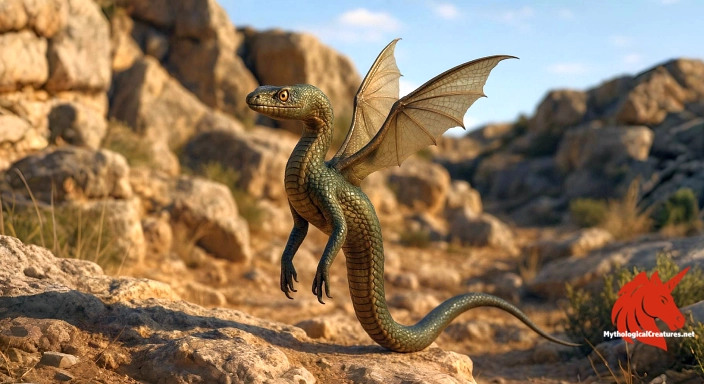
Dare to Meet the Jaculus....
Curated by the Mythological Creatures Team
Series editor: Mythological Creatures Directory
Primary desk: Hellenic & Ancient Mediterranean Desk
(rev. November 2025)