
Picolous: Picolous is a giant from Greek mythology, one of the Gigantes born of Gaia and Uranus.
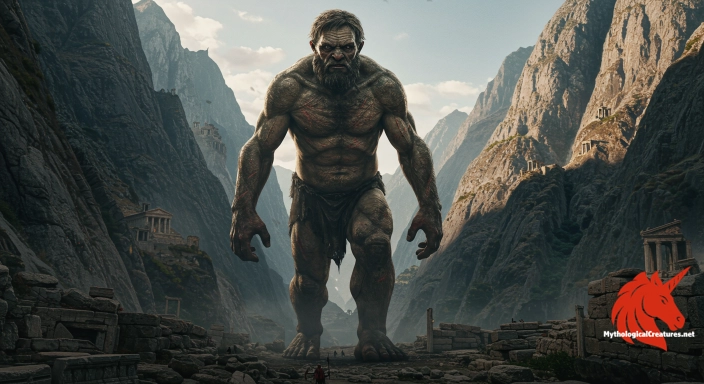
Picolous
Picolous - Picolous represents the chaotic opposition to the Olympian order, his defiant actions and subsequent downfall underscoring the harsh retribution meted out by the gods.
Origins & First Encounters
Picolous emerges from the depths of ancient myth as a striking member of the Gigantes, born of Gaia and Uranus, whose raw essence echoes the forces of earth and sky. His genesis imbues him with a cosmic gravitas that sets him apart from mortal adversaries. Embedded within the epic narrative of the Gigantomachy, his actions serve to illustrate the chaotic defiance of the primordial order. In the heat of battle, he is portrayed as both mighty and tragically fallible, reflecting the inherent contradictions found in mythic heroes. His decision to flee amidst the din of combat hints at a complex inner turmoil, revealing vulnerabilities in an otherwise formidable guise. The dramatic interplay between pride and despair underscores the ancient themes of fate and retribution. Picolous is remembered not merely as a brute force but as a symbol of the perpetual struggle between untamed nature and the ascendant divine order. His legacy, though woven from fragments of lost lore, exudes the magnetic allure of myth and the inevitable downfall that befalls even the mighty. The tales of his reckoning with the gods resonate as timeless lessons on the consequences of hubris and defiance. Ultimately, the saga of Picolous endures as a captivating narrative of power, retreat, and divine justice.
Source Texts & Tale Variants
The narrative of Picolous finds its roots in a select repertoire of Byzantine scholarship that meticulously preserved ancient legends. His tale is recounted by Eustathius of Thessalonica, whose vivid expositions capture the nuances of lost Hellenistic traditions. Additionally, Patriarch Photios I of Constantinople enriches this myth by quoting the fragmented works of Ptolemaeus Chennus. These accounts, while emerging from a later medieval perspective, echo the voices of even earlier writers like Alexander of Paphos. The layered evidence from these sources reveals a mosaic of interpretations surrounding his actions during the cosmic battle. Variations in these texts suggest that his role was both dynamic and subject to reinterpretation over the centuries. Each account contributes subtle details that enhance our understanding of the Gigantomachy and its multifarious characters. The confluence of these scholarly narratives underscores the importance of Picolous in the broader mythological dialogue. His documented exploits thus bridge the gap between fading ancient traditions and the vibrant retellings of medieval lore. The preservation of his story in these texts ensures that his myth continues to intrigue both scholars and enthusiasts alike.
Form & Powers
Picolous is often envisioned as a colossal figure whose very presence commands awe and trepidation. His colossal stature and muscular build evoke the untamed forces of nature from which he was born. The imagery of his appearance is imbued with raw, elemental power, with every contour of his body seeming to be sculpted from the rugged terrain of the earth itself. His eyes are frequently depicted as burning with an inner fire, reflecting both fierce intensity and a spark of untamed defiance. Artists have imagined his visage with a wild cascade of hair and a pronounced brow, lending him an expression that is at once menacing and poignant. His skin, at times, is portrayed with a rough, almost stony texture, reinforcing the impression of a creature born from primordial matter. Even in the absence of a standardised portrayal, recurring motifs suggest a form that merges both human traits and inhuman grandeur. The physical depictions underscore his dual nature: imposing yet flawed, ferocious yet tragically mortal. This blend of strength and imperfection, captured in timeless images, invites the viewer to reflect on the inherent contradictions within mythic beings. Through these varied artistic impressions, Picolous remains a compelling embodiment of ancient power and vulnerability.
Regional Faces
Regional interpretations of Picolous have added layers of local colour and nuance to his myth, enriching the original narrative with diverse cultural inflections. In various parts of the Aegean, for instance, his character is reimagined with an air of tragic nobility, suggesting a reluctant warrior caught in the throes of fate. Some local traditions recount him as a figure of internal conflict, where his initial flight is seen as a desperate act born of a moral crisis rather than simple cowardice. On certain islands and coastal communities, his myth merges with indigenous folklore that accentuates his deep connection to the elemental forces of nature. Byzantine traditions, meanwhile, cast him in a broader metaphysical light, aligning his deeds with the cosmic balance between chaos and order. In parts of Asia Minor, adaptations of his tale interweave regional symbols of divine retribution and natural calamity, reflecting themes familiar to the local populace. These varied renditions allow his character to oscillate between that of a tragic anti-hero and an emblem of raw, untamed power. The multiplicity of his portrayals speaks to the adaptability of myth as it traverses different cultural landscapes. Local artists and storytellers have, over time, imbued his legend with unique visual and narrative motifs that mirror their own historical experiences. Ultimately, these regional variations ensure that the myth of Picolous remains as dynamic and multifaceted as the cultures that continue to celebrate it.
Cultural Parallels
The legend of Picolous invites a rich comparative analysis with other mythological giants from varied cultural traditions. His narrative, marked by defiance and a fateful retreat, finds echoes in the stories of cosmic rebels like the Titans of Greek lore and the Jötunn of Norse mythology. Like these figures, Picolous embodies the eternal clash between primal chaos and structured divine order. His dual nature of immense physical power juxtaposed with tragic vulnerability resonates with the archetypal theme of hubris followed by inevitable downfall. In many ancient cultures, the giant is not solely a symbol of brute strength but also a cautionary figure whose fate warns against overstepping cosmic boundaries. Similar mythic motifs can be found in the narratives of other cultures where rebellious beings challenge the established order of the gods. These parallels underscore a shared human fascination with characters who navigate the tension between creation and destruction. By comparing his tale with that of other legendary giants, we uncover a universal template for addressing the forces of nature and fate. Picolous thus stands alongside these figures as an integral part of a global mythological conversation. This intertextual dialogue enriches our understanding of the archetypal conflicts that have, across cultures, shaped our view of power and destiny.
Legacy & Modern Evolution
The myth of Picolous has journeyed through the corridors of time, evolving from its ancient origins into a modern emblem of cosmic conflict and retribution. Initially a peripheral character in the grand saga of the Gigantomachy, his story has been rediscovered and reinterpreted in a variety of cultural expressions over the centuries. Medieval scholars played a key role in preserving the fragments of his legend, ensuring that his tale survived the vicissitudes of time. In more recent times, creative reinterpretations in literature, art, and even film have breathed new life into his narrative, recasting him as both a cautionary and compelling figure. His portrayal as a giant undone by his own vulnerabilities has resonated with modern audiences, symbolising the perennial tension between strength and frailty. Contemporary adaptations often reframe his myth within the broader context of existential and moral questions that continue to intrigue writers and artists. This evolution in portrayal reflects the enduring allure of ancient myth, which continues to provide a framework for exploring complex human themes. Picolous now stands as a metaphor for the inevitable consequences of defying cosmic order, a narrative that transcends its mythological roots to speak to modern sensibilities. His legacy persists in how modern fantasy and speculative fiction draw upon these ancient themes to illuminate the darker facets of human ambition. In every retelling, the story of Picolous challenges us to ponder the delicate balance between might and downfall, ensuring that his myth remains as relevant as ever.
Interesting Fact
An intriguing aspect of Picolous's myth is the contrast between his primordial lineage and his downfall at the hands of the Olympian order, reflecting the inevitable clash between ancient forces and newer divine power.
Limited sponsor opportunity
One slot, carefully chosen partners
We only feature a small number of relevant sponsors at any time. If you create serious myth content, we would like to hear from you.
Partner with usQuick Creature Info
Origin:
Features:
Associations:
Our Mythic Legendary Rating:

Also Sometimes Known As:
Habitat:
Supernatural Powers:
Physical Attributes:
Abilities:
Behavior:
Lore:
Related Creatures, Tales or Lore
- EEnceladus
- PPorphyrion
- EEphialtes
References
Discover Another Mythical Legend You May Not Have Heard Of?
Uncover the mysteries of ancient folklore and expand your knowledge of legendary beings from cultures around the world.
Dare to Meet the La Bolefuego....
Curated by the Mythological Creatures Team
Series editor: Mythological Creatures Directory
Primary desk: Hellenic & Ancient Mediterranean Desk
(rev. November 2025)