
Pirene: Pirene is a minor nymph in Greek mythology, celebrated for her beauty and association with freshwater environments.
-16c2e76c-213e-4f50-98c4-1a3969db8e2a_small.webp "Pirene - Her myth highlights the interconnection between nature and divinity, as well as the cultural importance of freshwater springs")
Pirene
Pirene - Her myth highlights the interconnection between nature and divinity, as well as the cultural importance of freshwater springs
Origins & First Encounters
Pirene emerges as a captivating figure intricately linked with the natural and divine realms of ancient Greek mythology. Her origins are woven into the fabric of myth with diverse traditions presenting her as either the daughter of the mighty river god Asopus, the royal scion of Laconian King Oebalus, or even the progeny of Achelous. This variability in her lineage reflects the fluid storytelling traditions of ancient Greece, where local customs and regional identities shaped the narratives of divine beings. Her very name, meaning 'of the osiers', evokes images of delicate willow branches and the graceful movement of water, reinforcing her connection to nature. In the early mythic tradition, Pirene stands out not only for her beguiling beauty but also for her role as a nurturer of life through her association with sacred water sources. The intertwining of her story with that of Poseidon, the god of the sea and rivers, further underscores the potent symbolism of water as both creative and transformative. Celebrated as a nymph, she occupied a revered space in the ancient Greek pantheon of minor deities, symbolising the fertility and abundance of the natural world. The enduring charm of her myth is mirrored in the cultural practices that celebrated water as a divine gift. Her narrative, handed down through generations, encapsulates the deep respect the Greeks had for the natural forces that governed their everyday life. Ultimately, Pirene's legend stands as an embodiment of nature's beauty and the ceaseless flow of myth into the rhythms of the human experience.
Source Texts & Tale Variants
Ancient texts and local legends offer a tapestry of variant accounts that together bring Pirene’s myth to life. Some sources recount her as a daughter of Asopus, while others identify her as the offspring of Achelous, each version adding a unique layer of mystique. A different tradition even places her within the royal lineage of the Laconian King Oebalus, reflecting the adaptability of her myth to regional contexts. Classical poets and mythographers, though sparse in their direct mention of her, have contributed fragments that illuminate her role in the broader narrative of river deities and water nymphs. Tales of her union with Poseidon, resulting in the birth of Lecheas and Cenchrias, further complicate and enrich her mythic portrait. These multiple genealogies highlight the dynamic interplay between oral tradition and localized cultic practices. Over time, her story was transmitted through both epic poetry and regional ritual, ensuring that while details varied, her core attributes remained steadfast. The scattered mentions in ancient inscriptions and later compilations underscore the enduring fascination with her persona. As a result, Pirene’s myth is a composite of various cultural memories, each contributing to her legend as a symbol of nature’s life-giving force. This multiplicity in her narrative serves as a beacon of the ancient Greeks’ diverse approach to mythmaking, where even minor deities could assume significant cultural roles.
Form & Powers
Artistic tradition envisions Pirene as an ethereal nymph whose physical presence embodies the fluid beauty of a sacred spring. Her form is often depicted with a delicate grace, combining both strength and a light, almost imperceptible fragility that mirrors the gentle flow of water. Imagined with luminous skin that seems to capture the soft glow of moonlight on tranquil waters, she radiates an otherworldly splendour. Her hair, described in poetic accounts as cascading in gentle waves, is sometimes interwoven with strands of osier reeds, symbolically linking her to the natural environment from which she draws her power. The eyes of Pirene are portrayed as deep and reflective, akin to the clear depths of a hidden spring, inviting onlookers into the mysteries of nature. Her attire is usually rendered in diaphanous fabrics that seem to mimic the translucent quality of water, floating around her in a graceful dance. In many representations, subtle motifs of aquatic flora and gentle ripples enhance her portrayal, reinforcing her connection with the life-giving force of water. Each artistic rendition, whether in vase paintings or stone reliefs, emphasises a harmonious blend of natural elements and divine beauty. The evolution of her image across eras reflects an enduring reverence for both the classical ideals of beauty and the ever-changing interpretations of nature’s bounty.
Regional Faces
The myth of Pirene adapted to the diverse cultural landscapes of ancient Greece, with each region colouring her narrative in its own distinctive hues. In Corinth, her name became synonymous with the renowned Peirene spring, a site surrounded by lush vegetation where water was not merely a resource but a sacred emblem of renewal. In contrast, local traditions in Laconia portrayed her as deriving from a noble lineage, thereby intertwining her myth with themes of local sovereignty and pride. Each area adapted her story to reflect the environmental and cultural characteristics of the region, whether focusing on the clean, vibrant waters in one locale or emphasising fertility and agricultural prosperity in another. Regional festivals celebrated her presence through rituals designed to invoke the blessings of fresh water and natural abundance. Artistic depictions varied as well, with some communities favouring intricate marble statues while others preferred more rustic votive images that resonated with everyday life. This diversity in depiction underscores how Pirene’s myth was interlaced with local beliefs and practices, making her a mirror of the community’s relationship with nature. Overall, her evolving identity across regions highlights the ancient Greeks’ propensity to mould universal myths to suit localized narratives and needs. The regional adaptations not only enriched her legend but also embedded her firmly within the cultural and natural landscapes of their respective territories.
Cultural Parallels
Pirene's myth resonates with a host of water deities from myriad cultural traditions, offering fascinating parallels that extend beyond the confines of Greek mythology. Her portrayal shares notable similarities with other celebrated nymphs such as Arethusa and Daphne, whose transformations and associations with water symbolise nature’s delicate beauty. Across ancient Greek and Roman lore, naiads and other water spirits embody a universal archetype, representing fertility, regeneration, and the indomitable life force of freshwater. Comparable figures in Celtic mythology, for instance, echo her role as guardians of sacred springs and rivers, highlighting a cross-cultural reverence for water as a divine element. Moreover, the fluid genealogies and variable character traits observed in Pirene's myth find echoes in other regional mythologies where nature deities blend mortal and divine qualities. In each case, the narrative of a water spirit such as Pirene underscores humanity’s profound connection to the sustaining and transformative power of nature. Through these cultural parallels, one observes how various societies have crafted similar personifications of water as a means to symbolise both physical nourishment and spiritual rejuvenation. This comparative insight not only deepens the understanding of Pirene’s significance but also illustrates a broader, timeless pattern in mythmaking, where nature and divinity converge. Ultimately, the recurring motif of a water nymph across different cultures emphasises an enduring symbol of resilience and renewal.
Legacy & Modern Evolution
Pirene’s myth has traversed the long corridors of time, continuously evolving while retaining its core association with the life-affirming power of water. In ancient times, she was a subtle yet potent emblem of nature’s bounty, revered in communities where her sacred springs played vital roles in daily rituals and communal festivities. As classical art and literature flourished, her ethereal beauty and the mystique of her origins were immortalised in sculptures, frescoes, and poetic verses. During the Renaissance, the rekindled interest in antiquity saw her myth reinterpreted through the lens of humanism, where she came to represent an ideal interplay between nature and the divine. The Romantic period later embraced her as a symbol of natural purity and ephemeral beauty, inspiring poets and painters to capture the delicate interplay of light and water inherent in her image. In modern times, scholars and artists alike revisit her narrative, finding in her story an allegory for both environmental rejuvenation and transcendent beauty. Contemporary interpretations often explore the interplay between ancient natural symbolism and current ecological concerns, rendering her a muse for modern environmental art and literature. The enduring presence of the Peirene spring in Corinth, still celebrated as a cultural landmark, stands as a living testament to her legacy. Through evolving artistic expressions and renewed scholarly interest, Pirene remains a timeless figure—her myth a continual reminder of nature’s eternal cycle of renewal and transformation.
Interesting Fact
Pirene is believed to have lent her name to the famous Peirene Spring in Corinth, a site revered in ancient Greek culture for its beauty and life-sustaining waters.
Reach myth fans
Connect your myth-driven brand with this audience
Our readers are writers, educators, gamers, and collectors who care about mythology. Enquire about a limited sponsor placement on creature pages.
Enquire about sponsorshipQuick Creature Info
Origin:
Associations:
Our Mythic Legendary Rating:

Also Sometimes Known As:
Habitat:
Supernatural Powers:
Physical Attributes:
Abilities:
Behavior:
Lore:
References
Discover Another Mythical Legend You May Not Have Heard Of?
Uncover the mysteries of ancient folklore and expand your knowledge of legendary beings from cultures around the world.
Dare to Meet the Irer....
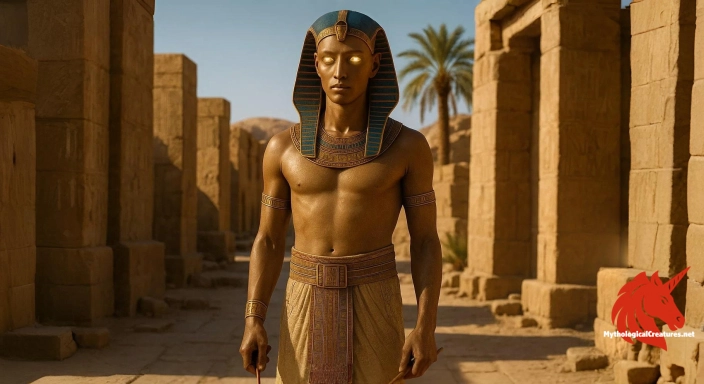
Curated by the Mythological Creatures Team
Series editor: Mythological Creatures Directory
Primary desk: Hellenic & Ancient Mediterranean Desk
(rev. November 2025)