
Plutus: Plutus is the ancient Greek god and personification of wealth, known also as Ploutos, and serves as a symbol of prosperity and abundance.
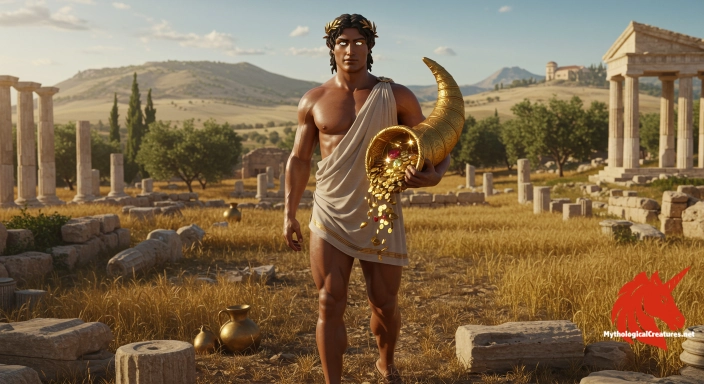
Plutus
Plutus - Embodies the concept of wealth and abundance, emphasizing the dual and often unpredictable nature of fortune in human affairs.
When was Plutus first written about?
Plutus emerges in ancient Greek mythology as a vivid embodiment of wealth and prosperity, born of the divine forces governing nature and abundance. As the progeny of Demeter, the revered goddess of agriculture, and the mortal Iasion, his origins intertwine the bounties of the earth with human endeavour. His presence in myth symbolises the fertile union between divine providence and the material world, reflecting the ancient belief in nature’s capacity to provide for humankind. His earliest mentions are woven into classical narratives that celebrate the cyclical rhythms of harvest and season. The mythology surrounding Plutus underscores his role as an intermediary between human effort and the opulence of the natural world. He is often depicted as a dynamic figure whose influence extends beyond mere riches to touch upon moral and ethical considerations. His character not only celebrates the tangible rewards of cultivation and labour but also encourages contemplation on the distribution of wealth in society. In many respects, Plutus’s myth offers a timeless lens through which both the beneficence and the capriciousness of fortune can be understood.
What are the earliest texts about Plutus?
Ancient texts and literary works have left a multifaceted record of Plutus’s role in myth, offering several variants of his narrative that illuminate differing cultural attitudes towards wealth. The fragments of classical literature, including references found within the works of Hesiod and later dramatists, provide glimpses into his early conception as a deity who embodies the abundance of the earth. One of the most notable sources is the satirical play often attributed to Aristophanes, which uses the character of Plutus to explore the random and sometimes unjust distribution of riches among mortals. Other lesser-known verses and poetic fragments mention him in allegorical contexts, blending mythological symbolism with the economic realities of the time. Through these texts, Plutus is sometimes portrayed as a youthful, radiant figure whose very being encapsulates the prosperous gifts of Demeter. Variants of his story also appear in vase paintings and subtle iconographic details that have been preserved in archaeological artefacts. Each source emphasises different aspects of his persona, ranging from his benevolent generosity to the mysterious forces that govern wealth. These diverse narratives offer a rich tapestry of interpretation, ensuring that his legacy resonates with the complexities of fortune and fate.
What does Plutus look like?
Artistic and literary depictions of Plutus offer a richly nuanced portrait that fluctuates between the tangible and the abstract. He is frequently illustrated as a youthful, vigorous figure, his form exuding a vibrant energy that underscores his divine association with bountiful harvests. In several depictions, he is adorned with symbols of plenty, such as a cornucopia overflowing with fruits and grains, directly linking his image to the fertility of the earth. Some artworks suggest that his eyes are either sparkling with life or deliberately obscured, a motif that conveys the unpredictable and impartial nature of wealth. His attire is often lavish, with intricate garments and occasional hints of gemstone decoration, symbolising the opulence of the riches he embodies. While classical interpretations present him as a radiant and benevolent being, later artistic renditions occasionally cast him in a more enigmatic light, blending beauty with an air of inscrutability. Variations in his depictions also highlight differences in artistic styles across periods, with some representations favouring a more robust physique while others emphasise delicate, refined features. Across these depictions, Plutus remains a compelling visual metaphor for wealth, merging the physical allure of material riches with the deeper, more complex aspects of economic fortune.
Plutus: Regional Differences in the Legend
Across different parts of the ancient Greek world and later neighbouring cultures, the figure of Plutus was interpreted in diverse and regionally distinct ways. In mainland Greece, his image was closely intertwined with rural agricultural life, reflecting the intimate connection between the land and its yield. On various islands and in the eastern Greek communities, local customs often intertwined his persona with rites of harvest and seasonal celebrations, giving him a more ritualistic significance. In some locales, Plutus was seen not solely as the distributor of wealth but also as a symbol of cyclical renewal, his mythic presence celebrated during festivals that marked the turning of the seasons. The iconography of Plutus could vary markedly; where central depictions showed him as a youthful benefactor, certain regions preferred a more solemn representation that captured a stern, almost mystical aspect of fortune. Local adaptations even led to hybrid forms where Plutus’s attributes merged with those of indigenous deities of abundance. These variations underscore how communities projected their own social and economic preoccupations onto his myth, transforming him into a malleable symbol of prosperity. This regional diversity illustrates the power of myth to adapt its central figures to the needs and experiences of a wide array of cultural contexts.
Legends Comparable to That of Plutus
Plutus’s role as the personification of wealth invites intriguing comparisons with similar deities from other mythological traditions. Like the Roman Fortuna, who symbolised the capricious nature of chance and success, Plutus embodies the dual-edged nature of prosperity that can both uplift and confound. His character also resonates with elements found in Eastern traditions, where deities such as Lakshmi represent both bounty and the burdens of material fortune. The cross-cultural parallels underscore a common human fascination with the mystery of wealth—a force that is generous yet indiscriminate, and as unpredictable as it is revered. In both classical and contemporary contexts, such personifications serve to remind societies of the precarious balance between economic reward and ethical responsibility. The shared themes in myths from different regions highlight a universal recognition of the power dynamics inherent in the distribution of wealth. Comparative analysis reveals that while the external attributes may differ, the underlying cultural functions of these deities remain remarkably similar. They all act as ethical mirrors that reflect society’s ambivalence towards abundance and the inherent inequalities it can produce. In this light, Plutus stands as a central figure within a broader tapestry of mythological narratives that speak to the timeless interplay between fortune and fate.
What does Plutus mean to people today?
Over time, the myth of Plutus has evolved considerably, with his image adapting to new cultural contexts and economic paradigms. Originally enshrined as a divine symbol of agricultural bounty, his evolution mirrors the shifts in societal attitudes towards wealth from ancient times to the modern era. The Renaissance witnessed a revival and reinvention of classical motifs, including that of Plutus, integrating his figure into emerging economic philosophies and artistic expressions. In contemporary culture, he is often invoked as a metaphor for the uncertainties and inequalities inherent in modern capitalist systems. His legacy is frequently reflected in literature, theatre, and visual arts, where his image is reimagined to critique or celebrate the abundance of modern society. The enduring appeal of his myth is evident in popular culture, where he sometimes appears in political and social commentary as a symbol of both philanthropic bounty and the pitfalls of greed. Modern adaptations tend to focus on the ethical dimensions of wealth, echoing ancient debates about the responsibilities that accompany prosperity. As a timeless symbol, Plutus continues to inspire discussions about the nature of fortune, encouraging a nuanced exploration of wealth and its impact on human lives.
Interesting Fact
An interesting aspect of Plutus is that his portrayal shifted over time; while early representations celebrated the bounty of wealth, later interpretations sometimes critiqued the moral implications of excessive riches.
Sponsor this space
Tasteful, fixed-fee placements for myth projects
No bidding wars or flashing banners. We offer simple placements for a small set of creators and brands aligned with our readers.
Request further detailsQuick Creature Info
Origin:
Associations:
Our Mythic Legendary Rating:

Also Sometimes Known As:
Habitat:
Supernatural Powers:
Physical Attributes:
Abilities:
Behavior:
Lore:
References
Discover Another Mythical Legend You May Not Have Heard Of?
Uncover the mysteries of ancient folklore and expand your knowledge of legendary beings from cultures around the world.
Dare to Meet the Dragon of Mordiford....

Curated by the Mythological Creatures Team
Series editor: Mythological Creatures Directory
Primary desk: Hellenic & Ancient Mediterranean Desk
(rev. November 2025)