
Pugot: The Pugot is a headless fiend from Philippine folklore known for its shapeshifting abilities and swift movements.
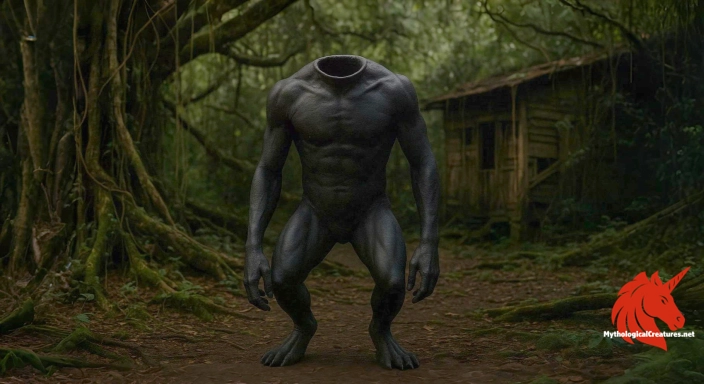
Pugot
Pugot - Represents an eerie yet quirky element in Philippine myth, blending terror with humorous mischief
Origins & First Encounters
The Pugot is a fascinating figure from the rich tapestry of Philippine myth, emerging from the folklore of the Ilocos region as a headless, mysterious entity. It is known by a name that literally translates to ‘decapitated one’, reflecting its most defining physical characteristic. The creature is believed to originate from age-old local superstitions and serves as a reminder of the human fascination with the unknown. It is not merely a spirit of fear, but also a being with peculiar habits and a multifaceted identity. The Pugot is capable of taking on various shapes, sometimes appearing as hogs, dogs, or even human forms, yet its true essence is most commonly linked to its headless visage. Its presence is primarily associated with dark, secluded locations and abandoned structures, which enhances its aura of mystery. Traditionally, its home among sinister trees such as duhat, santol, and tamarind adds another layer to its enigmatic character. Long embedded in local lore, the Pugot continues to intrigue those who are drawn to narratives of the supernatural. Its myth is a blend of both fear and fascination, deeply tied to cultural practices and the exploration of what lies beyond the ordinary.
Source Texts & Tale Variants
The legends of the Pugot are primarily documented in oral tradition and local folklore, where tales of this decapitated spirit have been passed down through generations. Multiple narrative sources, including regional epics and ritualistic accounts, contribute to the overall characterisation of this entity. One notable version of its story is found in the Ifugao myth titled 'Tulud Nimputul: The Self-Beheaded', which provides unique insights into its interactions with human heroes. Traditional storytellers have incorporated the creature’s strange dietary habits and shapeshifting capabilities into their recounting of nightly terrors and mysterious happenings. Diverse accounts vary in detail; while some emphasise its ability to assume animal forms, others recount its penchant for peculiar mischief such as stealing women’s undergarments. The body of primary sources is enriched by the subtle differences in regional narratives across the Philippines. Folklorists have noted that the recurring motif of a headless wanderer can be found in several local tales, suggesting an enduring cultural symbol. These texts and verbal accounts serve as a bridge between ancient beliefs and the modern retelling of folklore. The variation in these sources not only highlights the adaptability of the myth but also its enduring influence on regional cultural identity.
Form & Powers
The physical portrayal of the Pugot is both striking and unsettling, with its most prominent feature being the complete absence of a head. Crafted from the imagination of storytellers, its black, shadowy form exudes an air of eerie mystery and otherworldly presence. While it is primarily depicted as a headless figure, some accounts suggest that it may occasionally mirror the forms of hogs, dogs, or even human silhouettes, thereby retaining hints of its original humanoid shape. The creature is endowed with a functional neck stump, a feature that paradoxically allows it to feed by thrusting food directly through it. This unusual method of consumption, typically involving snakes, insects, and sometimes the remnants of prepared meat, underscores its supernatural and unsettling nature. Size variations are noted in different renditions; the myth often describes it as having an imposing and cumbersome build that is both agile and evasive. Its form is sculpted by the darkness it inhabits, making it sometimes appear as if it is woven from the very shadows of the night. The combination of these vivid details creates a creature that is at once grotesque and captivating, leaving a lasting impression on those who encounter its legend.
Regional Faces
The myth of the Pugot is deeply rooted in the local traditions of the Ilocos region, yet its influence extends to neighboring areas where similar apparitions are recounted with slight variations. In Ilocos, the narrative emphasises its attachment to particular trees such as duhat, santol, and tamarind, rendering these natural landmarks as characters in the myth itself. Contrastingly, in the Ifugao version of the tale, the creature is integrated into interactions with heroic figures, thereby broadening its role from mere mischief-maker to one involved in moral or cautionary tales. Regional storytellers have added unique elements such as its penchant for pilfering women’s undergarments, a detail which has fascinated and amused local audiences alike. These local adaptations speak to the flexibility of the myth, incorporating elements that resonate with the daily lives and superstitions of the community. Similar spirits or cursed beings in nearby areas may share traits like shapeshifting or nocturnal activities, yet the Pugot retains a distinct cultural signature. Variations in its portrayal also reflect differences in local attitudes toward the supernatural, where the creature can be seen as both a benign trickster and a forewarning of eerie occurrences. Such regional distinctions highlight the dynamic nature of folklore, continually evolving to address the collective fears and interests of its audience.
Cultural Parallels
The Pugot bears intriguing similarities to other headless or decapitated figures encountered in global folklore, forging a cross-cultural connection with legends such as the Irish Dullahan and the European headless horseman. Like these Western counterparts, the Pugot is a figure that evokes a sense of dread through its incomplete human form and mysterious moorings in the shadowy fringes of society. Its ability to morph into various shapes also echoes the transformative qualities found in many mythic entities around the world, reinforcing its role as a creature of the twilight between the human and the supernatural. While its headlessness is a common motif, the specific imagery of a neck stump used for feeding distinguishes the Pugot and adds a fresh nuance to this age-old archetype. Comparative analysis reveals that believers in such myths often use these figures as metaphors for incompleteness or the loss of identity, making the Pugot a vivid representation of these themes in Philippine culture. This creature’s curious appetite and bizarre behaviour further differentiate it from other headless legends, infusing a sense of surreal irony into its myth. Its depiction in local lore shares with other cultures the sentiment of both revulsion and intrigue, inviting parallels that span continents and centuries. Through these cross-cultural connections, the Pugot exemplifies how mythological beings can evolve from very particular local concerns into universal symbols of the uncanny.
Legacy & Modern Evolution
The evolution of the Pugot myth reflects broader shifts in societal attitudes and the interplay between traditional folklore and modern media. Over time, its image has transformed from a purely terrifying figure to one that also embodies elements of whimsical mischief, striking a delicate balance between fear and humour. In contemporary popular culture, depictions of the Pugot can be found not only in print and oral retellings but also in graphic novels, television shows, and online media where it is reimagined for new audiences. This modern legacy is driven by a growing interest in regional folklore and a desire to preserve tales that have long been passed down through generations. The creature's unique characteristics, such as its shapeshifting abilities and distinctive headless form, continue to inspire creative reinterpretations. Local festivals and cultural events frequently invoke this legend, celebrating it as an emblem of the mysterious and the unexplainable. As society becomes more globalised, the Pugot serves as an emblem of Philippine myth, reminding both insiders and outsiders alike of the rich narrative traditions of the region. This enduring legacy not only preserves its traditional narrative elements but also encourages innovative storytelling that pays homage to its folkloric roots.
Interesting Fact
The Pugot uniquely blends fearsome supernatural attributes with quirky, almost humorous behaviours, making it a distinct and memorable figure in Philippine folklore.
Sponsor this space
Tasteful, fixed-fee placements for myth projects
No bidding wars or flashing banners. We offer simple placements for a small set of creators and brands aligned with our readers.
Request further detailsQuick Creature Info
Origin:
Associations:
Our Mythic Legendary Rating:

Also Sometimes Known As:
Habitat:
Supernatural Powers:
Physical Attributes:
Abilities:
Behavior:
Weaknesses:
Lore:
Related Creatures, Tales or Lore
References
Discover Another Mythical Legend You May Not Have Heard Of?
Uncover the mysteries of ancient folklore and expand your knowledge of legendary beings from cultures around the world.
Dare to Meet the Tiddy Mun....
Curated by the Mythological Creatures Team
Series editor: Mythological Creatures Directory
Primary desk: Asian & Pacific Myth Cycles Desk
(rev. November 2025)