
Quikinna'qu: Quikinna'qu is a chief deity in Koryak mythology renowned for his shapeshifting abilities.

Quikinna'qu
Quikinna'qu - Revered for bestowing essential survival skills onto humanity
the legend in five swipes.
the legend in five swipes.
Quikinna'qu: Origins and First Sightings
Quikinna'qu, also known as Kutkinnaku, stands as a central figure in Koryak mythology and occupies a prominent place among the deities of Siberian lore. Born from an ancient tapestry of shamanic tradition and oral narrative, his presence is deeply intertwined with the natural and spiritual worlds. His narrative is rich with the motifs of transformation and resilience, reflecting both the harshness and generosity of the wild landscapes he is believed to govern. Revered as a guide and a teacher, he is credited with imparting essential survival skills to humankind, such as hunting, fishing, and the mastery of fire. His appearance and teachings have been celebrated through countless generations, echoing the enduring connection between the human spirit and the forces of nature. The legend of Quikinna'qu has been transmitted through ritual performances, storytelling, and iconography, all of which celebrate his role as a benefactor and protector. Complex in his character, he manifests the dual aspects of creation and unpredictability, a characteristic that has resonated with the indigenous communities for centuries. His myth encapsulates not only the practical knowledge required for survival in a demanding environment but also the deeper cultural values of respect for nature and the cyclical rhythms of life.
Quikinna'qu: From Oral Tale to Written Record
The wealth of knowledge about Quikinna'qu originates primarily from the oral traditions of the Koryak people, whose rich storytelling has preserved his multifaceted character over the centuries. Ethnographic studies conducted during the 18th and 19th centuries helped to document early variants of his myth, although much of his lore remains rooted in verbal transmission. Diverse rituals, chants, and ceremonial recitations have served as the vessels for his legend, with each community adapting his story to reflect their unique relationship with nature. In various accounts, his teachings are interwoven with the daily practices of indigenous life, illuminating the sacred link between myth and reality. Some versions of the narrative delve into the specifics of fire-making and hunting techniques, offering a glimpse into the practical wisdom that he bestowed upon humanity. Other renditions celebrate his capacity for metamorphosis, emphasising his role in bridging the gap between the corporeal and the spiritual. While early written records are sparse, the legacy of Quikinna'qu has been maintained through continuous cultural expression and ritual performance. His story, mutable and ever-evolving, continues to inspire reinterpretations that adapt to the shifting nuances of time and place.
Quikinna'qu: Appearance and Abilities
Descriptions of Quikinna'qu are as fluid as the deity himself, reflecting his renowned capacity for shapeshifting and adaptation. In his human guise, he is often portrayed as a robust, noble figure with piercing eyes that seem to hold the mysteries of the wilderness. Traditional accounts suggest that his physique can blend human vitality with hints of animal strength, sometimes incorporating the formidable presence of a bear or the graceful agility of an eagle. His form is frequently adorned with motifs drawn from nature, such as flowing patterns that mirror the movements of rivers or the rugged outlines of mountain ranges. In some depictions, a luminous aura surrounds him, symbolising the bridging of the mortal realm with the divine. Variations in his appearance can shift with the narrative; at times he may appear with weathered features that convey wisdom acquired over countless generations. Artists have depicted him wearing garments decorated with intricate symbols reflecting solar and lunar cycles, which further underscore his celestial significance. The physical portrayals of Quikinna'qu, therefore, not only underscore his mystical qualities but also serve as a dynamic canvas upon which the values and beliefs of the indigenous people are projected.
How does the Quikinna'qu legend change from place to place?
Across the vast expanses of Siberia, the portrayal of Quikinna'qu is subject to rich regional variation, each reflecting localized environmental influences and cultural priorities. In coastal areas, for example, his association with fishing is highlighted, and tales from these regions emphasise his dominion over the waters and marine life. Inland communities, facing the challenges of expansive tundra and forests, tend to stress his connection to hunting and the mastery of fire for survival during the long, frigid winters. In one part of the region, he is revered as a guardian of the land, a deity whose presence ensures both the fertility of the earth and the prosperity of the hunt. In contrast, among settlements where water plays a more dominant role, his narrative is tailored to celebrate the bounty of the sea and the essential role of fishing in sustaining the community. The diversity of his portrayals serves to highlight the adaptability of his myth, as local traditions blend his core attributes with the unique demands of their natural surroundings. These adaptations have enriched his character, making him not merely a singular mythic figure but rather a versatile symbol of the interplay between nature and human endeavour. Such regional variations continue to evolve, reinforcing the enduring spirit of Quikinna'qu as a deity in tune with the ever-changing rhythms of Siberian life.
Quikinna'qu: Echoes in Other Mythologies
In the broader context of world mythologies, Quikinna'qu shares intriguing parallels with deities who serve as both culture heroes and harbingers of knowledge. Much like Prometheus in Greek mythology, he is celebrated for having imparted life-sustaining skills to humankind, notably the art of making fire. Comparisons can also be drawn with various trickster and shapeshifting figures found in Native American traditions, where such deities are seen as both clever and transformative in their role. His fluid identity, able to oscillate between human and animal forms, echoes the multi-dimensional character of mythic entities such as Coyote in the lore of certain Indigenous North American cultures. Furthermore, his role in merging practical survival techniques with spiritual wisdom resonates with shamanic figures throughout Central Asia and Siberia. These cross-cultural connections reveal an archetype that bridges the gap between nature and civilisation, highlighting the universal human quest for mastery over the elements. The multifaceted depictions of Quikinna'qu serve as a reminder that the blending of myth and practical knowledge is a common theme in the collective unconscious of diverse societies. His enduring myth, therefore, forms a vibrant link between geographically and culturally disparate traditions, underscoring a shared heritage of reverence for the natural world and its mysterious powers.
Quikinna'qu in Books, Film and Games
Over the centuries, the evolution of Quikinna'qu’s myth reflects a complex interweaving of tradition and modern reinterpretation. In early times, his identity was closely bound to the practical and spiritual lives of the indigenous peoples, forming the backbone of shamanic traditions and ancestral rituals. As modernity has advanced, elements of his ancient narrative have been reimagined in literature, visual art, and even digital media, revealing new layers of symbolic meaning. Contemporary portrayals often cast him as both a remnant of a rich cultural past and a timeless emblem of environmental resilience. Festivals and cultural revivals now celebrate his transformative qualities, with communities seeking to reconnect with the wisdom symbolised by his teachings. Poets, painters, and sculptors alike draw inspiration from his fluid persona, interpreting his legend in ways that speak to modern concerns about nature and identity. In academic and cultural circles, he has come to represent a bridge between indigenous heritage and a global narrative of respect for the natural world. Despite evolving contexts, the essence of Quikinna'qu as a benefactor and guide remains an enduring testament to the vitality and adaptability of myth in contemporary society.
Interesting Fact
An intriguing aspect of Quikinna'qu is that his mastery of shapeshifting not only highlights divine versatility but also underscores the profound relationship between the natural world and human ingenuity.
Mythological Treasures
Egyptian Legends: A field guide to the gods and monsters of ancient Egypt
Guardians of the living and devourers of the dead, with the role each played in judgement.
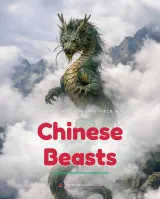
Chinese Beasts: A field guide to the dragons and demon kings of Chinese myth
From river dragons to demon kings, with the legends that shaped five thousand years of storytelling.
Japanese Yokai: A field guide to the spirits and demons of Japanese folklore
Fifteen spirits, with the signs to watch for and what the old tales say to do if you meet one.
the legend in five swipes.
For authors, artists, and makers
Created something from the realm of myth?
If your book, deck, game, or artwork draws from legendary creatures and lore, you can showcase it here in a tasteful, year-round placement.
Share your projectQuick Creature Info
Origin:
Features:
Associations:
Our Mythic Legendary Rating:

Also Sometimes Known As:
Habitat:
Supernatural Powers:
Physical Attributes:
Abilities:
Behavior:
Lore:
Related Creatures, Tales or Lore
- PPrometheus
- RRaven
- NNanabozho
References
Discover Another Mythical Legend You May Not Have Heard Of?
Uncover the mysteries of ancient folklore and expand your knowledge of legendary beings from cultures around the world.
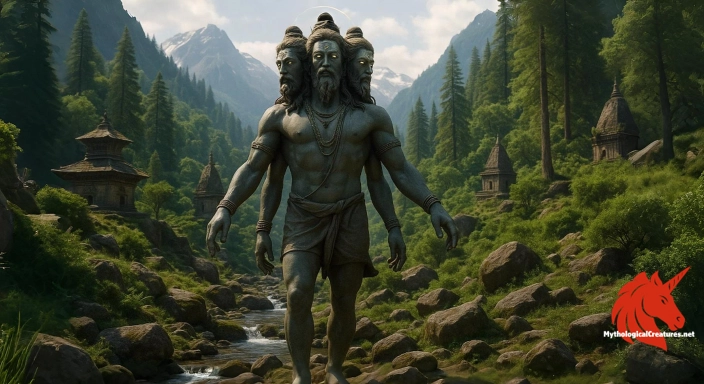
Dare to Meet the Pashupati....
The Mythological Creatures Book Series
Yokai, Greek, Norse, Egyptian & Chinese. Five illustrated field guides to the creatures the old stories either warned or told you about.

Curated by the Mythological Creatures Team
Series editor: Mythological Creatures Directory
Primary desk: Asian & Pacific Myth Cycles Desk
(rev. November 2025)