
Rhene: Rhene is a nymph from Greek mythology known for her complex and multifaceted genealogical traditions.
-11f6b4a9-1b64-4829-bacb-a518d69f373b_small.webp "Rhene - Rhene is noted for her varied roles as a consort to divine and mortal figures, influencing local genealogies and the founding legends of regions such as Samothrace.")
Rhene
Rhene - Rhene is noted for her varied roles as a consort to divine and mortal figures, influencing local genealogies and the founding legends of regions such as Samothrace.
Origins & First Encounters
Rhene emerges in Greek mythology as a delicate yet influential nymph whose presence is woven into the fabric of divine romance and heroic lineage. She is primarily associated with the pastoral splendour of Mount Cyllene, a site celebrated for its natural beauty and sacred connections. Her earliest attestations link her with the messenger god Hermes, thus intertwining her narrative with the immortal realm of the Olympians. The myths recount her union with Hermes, resulting in the birth of Saon (or Samon), who later ascended as the first king of Samothrace. Intriguingly, divergent accounts exist that also attribute her parentage of Saon to Zeus and another nymph, Nymphe, revealing the fluidity inherent in mythological genealogies. Alongside this well-known liaison, another tradition identifies Rhene as a lover of Oileus, further diversifying her mythic roles. Her dual associations with significant divine figures mirror the broader themes in Greek lore, where even lesser-known deities contribute to the origins of heroic dynasties. The evolving legacy of Rhene highlights how minor divine figures could accrue substantial cultural significance over time. Her story elegantly reflects the interplay between love, nature, and divine intervention. In effect, Rhene embodies the enchanting ambiguity of myth, offering a window into the complexities of ancient Greek religious thought.
Source Texts & Tale Variants
The narrative of Rhene is preserved in a collection of fragmented ancient texts and later mythographical compilations that attest to her multiple roles. Various sources recount her as the lover of Hermes and as the progenitor of Saon, illuminating a tradition where divine liaisons fostered notable mortal lineages. Some ancient scholia and mythic lexicons also recount her union with the mortal Oileus, thereby introducing alternative maternal lineages within the heroic sphere. The story variants further complicate her identity, with one source even attributing to her the role of mother for Ajax the Lesser, albeit this is less common. Each literary fragment contrasts her different incarnations, emphasising that her myth was subject to regional reinterpretations and a diversity of narrative embellishments. Though the primary sources are sparse and occasionally contradictory, they collectively establish Rhene as an influential yet mysterious figure within the Greek mythological corpus. These varied accounts stem from oral traditions later committed to writing, blurring the lines between canonical myth and local legend. The inconsistencies across texts underscore the dynamic and ever-evolving nature of myth-making in the ancient world. As such, Rhene’s story is not a single, unified narrative but rather a tapestry of interwoven traditions. This plurality of sources highlights the vibrant ambiguities that characterised early Greek mythological storytelling.
Form & Powers
The depictions of Rhene in ancient art and literature are imbued with an ethereal quality that reflects her nymphish nature. Often, she is envisioned with a graceful, lithe form that echoes the natural contours of the hills and streams of Mount Cyllene. Her visage is typically portrayed as serene and delicate, with soft features that exude both innocence and an otherworldly charm. Ancient illustrations sometimes imbue her with flowing hair that seems to capture the shifting hues of dawn and twilight in a single sweep. Subtle attributes, such as a gentle radiance or an almost translucent skin, hint at her divine origins while maintaining a distinctly natural aesthetic. Some artistic renditions afford her an air of timeless youth, complemented by intricate motifs of flora and fauna that symbolise her bond with the natural environment. The variability in her physical representations, ranging from sunlit vibrancy to the quiet luminescence of nocturnal settings, further underscores her multifaceted character. In addition, delicate accessories like wreaths of leaves or simple yet elegant garments emphasise her connection with nature. These visual details coalesce to present Rhene as a creature of enchanting beauty, transcending the ordinary to inhabit a space between nature and divinity. Her physical portrayal, rich in symbolic significance, continues to inspire imaginative reconstructions in both ancient and modern artistic traditions.
Regional Faces
In different regions of the ancient Greek world, Rhene’s character was adapted to suit local cultural and religious sensibilities. In the region surrounding Mount Cyllene, she was celebrated not only as a beautiful nymph but also as a custodian of the natural landscape, embodying the wild and fertile spirit of the mountains. On the island of Samothrace, her connection to the royal lineage through the birth of Saon elevated her status to one of pivotal mythic importance. Local cults in these areas may have reinterpreted her narrative to align with regional traditions, thus casting her in roles that resonated with community identity and local cosmology. In areas where the worship of deities like Hermes was prominent, her story was enriched by her intimate association with the divine messenger, thereby bolstering her mythic appeal. Conversely, in regions with a particular focus on mortal heroism, her connection with Oileus and the resulting progeny added a humanizing dimension to her character. Local artisans and storytellers often selected elements of her narrative that best reflected regional values and environmental themes. Despite these regional adaptations, the core motifs of divine love and the nurturing of heroic bloodlines remain consistent. Such variations underscore the flexibility of myth, where even minor figures like Rhene could be reshaped to serve different communal narratives. This multiplicity of portrayals helps to map a broader picture of how myth and regional identity intersected in antiquity.
Cultural Parallels
Rhene’s mythic role finds intriguing parallels with other semi-divine female figures in the ancient world, whose stories intertwine nature, divine romance, and heroic ancestry. Her narrative is often likened to that of various nymphs such as the Naiads and Dryads, who equally embody the forces of nature through their ethereal beauty. Similar to Thetis or even Callisto, Rhene’s unions with deities and mortals highlight a recurrent theme of nurturing lineages that would later ascend to greatness. The fluidity of her story, with multiple partners and divergent accounts of her progeny, mirrors the way many minor mythological characters serve as connective tissue between the divine and the human. In comparative analyses, scholars note how Rhene’s dual associations with both Hermes and Oileus echo the broader Greek tendency to blend divine intervention with mortal affairs. Across various mythological traditions, such figures are seen as mediators who ease the passage of divine forces into the realm of mankind. Although her character may not be as universally known as some of her counterparts, the narrative complexity of Rhene underscores a common mythological strategy of rich and layered storytelling. In essence, her stories participate in a cross-cultural tapestry, where local legends and pan-Hellenic myths converge. This intertextual dialogue of myths enhances our appreciation of how various cultures utilised similar archetypes to explain natural phenomena and human origins. Rhene’s myth, when compared to her mythological peers, thus reinforces the universal appeal of the natural divine and the mutable nature of myth.
Legacy & Modern Evolution
The evolution of Rhene’s myth over the centuries reflects a broader trend in which minor mythological figures gradually acquire renewed significance through reinterpretation. In the classical period, her narrative was preserved within the confines of local cult practices and oral storytelling, yet it was never fixed in a single authoritative text. With the passage of time, reinterpretations in later Hellenistic and Byzantine works allowed her story to merge into the larger tapestry of Greek myth, where ambiguity and multiplicity became celebrated rather than problematic. Modern reinterpretations, inspired by neoclassical art and contemporary literature, have sparked a renewed interest in the subtleties of her dual roles as both a nurturer of heroic bloodlines and a symbol of nature’s ephemeral beauty. Today, creators and scholars view figures like Rhene as archetypes representing the symbiotic relationship between nature and divine influence. This modern legacy is further enhanced by the widespread fascination with mythological themes in popular culture, where reinterpretations continue to explore her enigmatic character. Contemporary art and literature often highlight her as an emblem of feminine mystery and the timeless interplay of love, power, and nature. While her myth may have once been relegated to the margins of the more dominant Olympian narratives, it now enjoys a renaissance in academic and creative circles alike. The enduring legacy of Rhene offers invaluable insights into the shifting dynamics of myth-making and cultural memory. Consequently, her story remains a compelling reminder of how ancient narratives can be continually reborn to reflect new cultural landscapes.
Interesting Fact
An intriguing aspect of Rhene's myth is the variant nature of her offspring and consorts, reflecting the often contradictory and evolving storytelling traditions within Greek mythology.
Mythology-aligned partners
Showcase your myth-friendly brand here
Run a store, studio, or platform that lives in the world of myth and folklore? A curated sponsor panel on these pages may fit.
Explore partnership optionsQuick Creature Info
Origin:
Associations:
Our Mythic Legendary Rating:

Habitat:
Supernatural Powers:
Physical Attributes:
Abilities:
Behavior:
Lore:
References
Discover Another Mythical Legend You May Not Have Heard Of?
Uncover the mysteries of ancient folklore and expand your knowledge of legendary beings from cultures around the world.
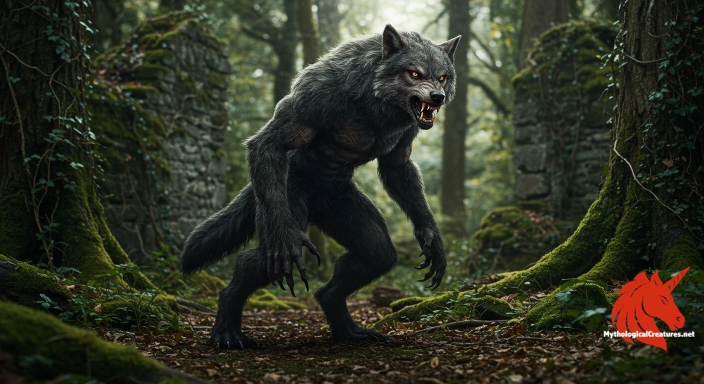
Dare to Meet the Werewolf....
Curated by the Mythological Creatures Team
Series editor: Mythological Creatures Directory
Primary desk: Hellenic & Ancient Mediterranean Desk
(rev. November 2025)