
Satan: Satan, also known as the Devil, is a powerful fallen angel and the personification of evil in Abrahamic religions.

Satan
Satan - Satan embodies the ultimate rebellion against divine order and the personification of evil and temptation in Abrahamic traditions.
the legend in five swipes.
the legend in five swipes.
When was Satan first written about?
Satan is a complex figure whose origins lie deep within the ancient traditions of the Abrahamic faiths. Emerging from early Hebrew texts, he was first depicted as a celestial prosecutor tasked with questioning the loyalty of mankind. His very name, meaning 'adversary', encapsulates the dual role of opposition and testing that he originally embodied. Over the centuries, this role evolved into that of a rebellious force, challenging divine authority and symbolising temptation. Early attestations in sacred texts gradually transformed as cultural and theological shifts integrated elements of dualism into his character. His presence is recognised not only in Judaism but also in Christianity and Islam, each attributing distinct narratives and functions to his persona. The transformation from a subordinate angelic figure to a personification of ultimate defiance is a testament to the layered history of his mythos. His evolution mirrors the broader shifts in human understanding of good and evil, morality and rebellion. The enduring intrigue surrounding his character reflects humanity’s perpetual struggle to comprehend the nature of sin and temptation. As traditions continue to reinterpret his role, Satan remains both a symbol and a narrative device, reflective of cultural anxieties and the timeless conflict between light and darkness.
The Source Texts Behind Satan
Satan’s story is interwoven with a diverse range of ancient texts and oral traditions that span across different religious communities. The Hebrew Bible introduces a figure known as ha-satan, a divine agent charged with testing the devotion of believers. His role is further enriched in apocryphal works such as the Book of Jubilees, where he is granted authority to oversee a host of rebellious angels. The Synoptic Gospels of Christianity recount his provocative temptations of Jesus, embedding him deeply in the narrative of salvation. The Book of Revelation intensifies his mythos by portraying him as a formidable red dragon destined for defeat. In the Islamic tradition, his counterpart Iblis emerges as a rebellious jinn who defied divine command, offering a parallel perspective on pride and disobedience. Various retellings and liturgical texts emphasise his capacity to incite sin and manipulate mortal destinies. These multifaceted portrayals are complemented by a wealth of folklore that further shapes the legend across time and cultures. Each source contributes unique nuances, collectively forming a rich mosaic of narratives that continue to inspire both theological debate and artistic expression. The ongoing reinterpretation of these sources highlights the dynamic and enduring appeal of his myth.
Satan: Appearance and Abilities
Though the sacred texts seldom provide a definitive description of his form, artistic and literary traditions have cultivated a vivid iconography for Satan. Early depictions, influenced by a blend of cultural motifs, have rendered him with imposing horns and cloven hooves that evoke a sense of otherworldly menace. Visual representations often incorporate a long, sinuous tail and unusually hairy features, drawing inspiration from ancient pagan deities. In medieval art, he is frequently shown as a grotesque amalgam of human and bestial characteristics, a design that symbolically bridges the earthly and the infernal. Some portrayals capture a deceptive allure, where a suave and charismatic visage disguises his inherent malevolence. The amalgamation of elements from figures like Pan and Poseidon is evident in his muscular form and unkempt, wild hair. Variations in size and posture across different periods reveal a fluidity in his imagined physiology, adapting to the artistic trends of each era. This evolving iconography serves not only to terrify but also to encapsulate the eternal conflict between celestial order and chaotic rebellion. The detailed visual portrayals of Satan have become a mirror reflecting societal perceptions of sin and transgression over the ages.
Where is the legend of Satan strongest?
The depiction of Satan reveals significant regional variations that are deeply entwined with local cultural and religious interpretations. In some Jewish traditions, he is portrayed more as an instrument of divine testing than as an embodiment of pure evil, reflecting a nuanced role within the cosmic order. European Christian art has generally adopted a more dramatic and monstrous representation, emphasising features designed to evoke fear and awe. In Islamic scholarship and art, Iblis is characterised as a rebellious jinn whose narrative centres on disobedience and pride, offering a distinct yet parallel vision to his Christian counterpart. Latin American folklore sometimes blends this figure with indigenous mythologies, infusing local beliefs about chaos, nature, and the underworld into his characterisation. Each region adapts his image to confront its own existential and moral dilemmas, whether through depictions of him as a tempter, a fallen angel, or even a misunderstood rebel spirit. These cultural reinterpretations underscore the flexibility of his symbolism, making him a canvas upon which diverse communities project their fears and aspirations. The localised adaptations not only mould his physical representation but also influence the thematic emphasis of his narrative. Thus, whether as a celestial prosecutor or a diabolical trickster, his figure is continually reshaped by the cultural contours of the regions that embrace his legend. The regional nuances of his portrayal serve to enrich the broader mythos, reflecting both continuity and divergence in the human quest to understand the nature of evil.
How does Satan compare to figures in other traditions?
The character of Satan invites comparison with a host of similar figures found throughout global mythology. His narrative of a once-exalted being who falls from grace resonates with the story of Lucifer, a paradigm of pride and defiance in many cultures. Parallels can also be drawn with Angra Mainyu from Zoroastrian lore, wherein a cosmic force of chaos opposes divine order with equal ferocity. In various mythic traditions, figures such as Loki in Norse mythology similarly embody the dual aspects of mischief and malevolence, though typically without the absolute moral condemnation seen in Satan’s case. Comparative analysis reveals that many cultures grapple with the concept of an adversarial force that serves as a counterbalance to benevolence, reflecting the universal themes of rebellion and order. The transformation of Satan’s image over time mirrors broader patterns in myth where celestial beings descend into infamy as a consequence of hubris. This cross-cultural echo highlights a recurring human motif regarding the nature of power and its potential for corruption. Such thematic overlaps facilitate an enriched understanding of Satan as not merely an isolated figure, but as part of a wider dialogue about the origins of evil. Consequently, his narrative continues to serve as a bridge connecting disparate mythological traditions. The comparative study of such figures underscores the pervasive and enduring influence of myth as a means to explore the human condition.
What does Satan mean to people today?
Satan’s legacy is a testament to the continual evolution of myth and its capacity to adapt to shifting cultural climates. Over the centuries, his portrayal has transformed dramatically—from a subordinate angelic prosecutor in ancient texts to a rebellious and fearsome tyrant in the halls of medieval morality plays. During the early modern period, heightened anxieties over witchcraft and demonic influence led to an amplified and more terrifying portrayal of his character. In literary masterpieces such as Dante's Inferno and Milton's Paradise Lost, his persona was richly elaborated, offering insights into themes of defiance, hubris, and redemption. The Age of Enlightenment brought scepticism and a re-evaluation of traditional narratives, leading some thinkers to view him as a metaphor rather than a corporeal evil. Yet, in modern popular culture, Satan has been reimagined in diverse ways, ranging from a symbol of anti-authoritarian rebellion to an emblem of personal freedom and empowerment in certain occult circles. Film, television, and music have all played a role in redefining his image, often imbuing him with a complex mixture of menace and allure. Contemporary works frequently explore the ambiguity of his character, prompting audiences to question binary distinctions between good and evil. His enduring presence in art and literature illustrates the dynamic interplay between myth and society. Ultimately, the lasting impact of Satan’s legend lies in his ability to serve as both a mirror and a mould for cultural anxieties and aspirations, ensuring that his myth continues to evolve alongside humanity’s own moral landscape.
Interesting Fact
Satan's transformation from a mere accuser in early texts to a complex figure representing ultimate rebellion and moral temptation is a testament to the evolving human perception of evil.
Mythological Treasures
Egyptian Legends: A field guide to the gods and monsters of ancient Egypt
Guardians of the living and devourers of the dead, with the role each played in judgement.
Chinese Beasts: A field guide to the dragons and demon kings of Chinese myth
From river dragons to demon kings, with the legends that shaped five thousand years of storytelling.
Japanese Yokai: A field guide to the spirits and demons of Japanese folklore
Fifteen spirits, with the signs to watch for and what the old tales say to do if you meet one.
the legend in five swipes.
Reach myth fans
Connect your myth-driven brand with this audience
Our readers are writers, educators, gamers, and collectors who care about mythology. Enquire about a limited sponsor placement on creature pages.
Enquire about sponsorshipQuick Creature Info
Associations:
Our Mythic Legendary Rating:

Also Sometimes Known As:
Habitat:
Supernatural Powers:
Physical Attributes:
Abilities:
Behavior:
Weaknesses:
Lore:
Related Creatures, Tales or Lore
- LLucifer
- IIblis
- BBeelzebub
References
Discover Another Mythical Legend You May Not Have Heard Of?
Uncover the mysteries of ancient folklore and expand your knowledge of legendary beings from cultures around the world.
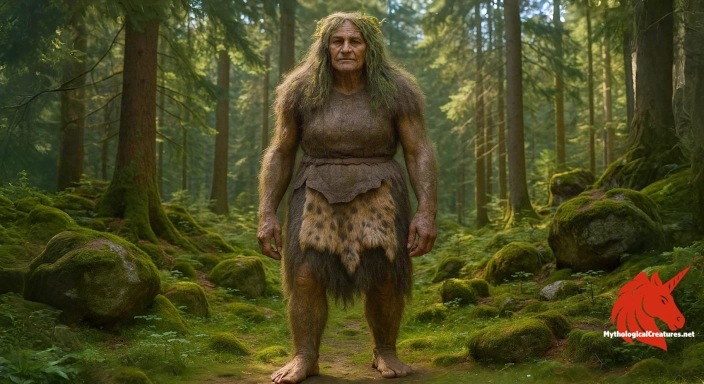
Dare to Meet the Fänggen....
The Mythological Creatures Book Series
Yokai, Greek, Norse, Egyptian & Chinese. Five illustrated field guides to the creatures the old stories either warned or told you about.


Curated by the Mythological Creatures Team
Series editor: Mythological Creatures Directory
Primary desk: Hellenic & Ancient Mediterranean Desk
(rev. November 2025)