
Sazae-oni: Sazae-oni are a type of Japanese obake that transform from aging turban snails into monstrous, shell-bearing creatures.

Sazae-oni
Sazae-oni - Represents the transformative power of age and the eerie fusion of nature and the supernatural in Japanese mythology.
the legend in five swipes.
the legend in five swipes.
Where does the story of the Sazae-oni begin?
Sazae-oni emerges from the rich tapestry of Japanese mythology as a striking embodiment of transformation and the eerie interplay between nature and the supernatural. Born from the unassuming turban snails, these creatures are said to attain a grotesque form once they reach the venerable age of 30. Their existence is tightly interwoven with the concept of obake, where the ordinary is transmuted into the extraordinary. The legend first took shape in coastal communities, where encounters with the sea and its inhabitants inspired both awe and trepidation. Local lore paints them as enigmatic entities that blur the line between the natural world and mysterious forces beyond understanding. The metamorphosis from a simple mollusk to an ogre-like being is a potent symbol of nature’s latent, transformative power. As these stories were passed down orally, they evolved to reflect not only the community’s fears but also their respect for the unpredictable rhythms of the natural world. Over time, the tale of the Sazae-oni has morphed alongside Japan’s changing societal and cultural landscapes, ensuring its survival in both ancient and modern narratives. Its enduring presence in folklore speaks to a deep cultural resonance with the themes of ageing, change, and the unseen forces in the world. This myth continues to captivate the imagination, reminding listeners that even the most mundane beings may conceal hidden, otherworldly secrets.
Which texts first mention the Sazae-oni?
Historical recountings of the Sazae-oni find their roots in a blend of written records and oral traditions, each echoing the mysterious transformation of the turban snail. Early attestations come from rural coastal regions where elders would recount eerie night-time encounters around seashores and rocky coves. Traditional manuscripts and scrolls from the Edo period occasionally reference sightings of mysterious shell-clad shapes that defied normal natural behaviour. These accounts, though sparse in formal literature, proliferated through verbal storytelling, preserving details that were adapted by each generation. Local archives mention the creature in the context of cautionary tales, often relating it to the unpredictable nature of the sea. Variants of the narrative suggest that only snails of exceptional longevity could harbour the spirit of this monstrous being, thereby linking the myth with the natural rhythms of life and decay. Some versions of the lore even imbue the Sazae-oni with roles ranging from malevolent omen to trickster, reflecting the complexity of regional beliefs. As storytellers travelled from village to village, each retelling introduced subtle shifts that enriched the creature’s mythos. The synthesis of these diverse accounts has cemented the Sazae-oni’s place as one of Japan’s most intriguing and mutable figures. Even with the passage of time, the veracity of early sources remains secondary to the enduring power of the narrative itself.
What was the Sazae-oni believed to be capable of?
Sazae-oni is often depicted with a prominently spiralled shell that towers beyond the proportions of normal turban snails, its surface conveying both the beauty of nature and an unmistakable sense of dread. The shell, typically marked with irregular patterns that appear almost otherworldly, serves as a visual reminder of the creature’s dual identity. Its body melds molluscan characteristics with disquieting, humanoid aspects, creating an unsettling fusion that blurs the boundaries between animal and spirit. Witness accounts vary in size descriptions, with some claiming that the creature looms over a person while others describe it as merely enormous by molluscan standards. Detailed observations have noted that the edges of its shell seem to have been eroded by the forces of time and the elements, adding a layer of rustic mystique to its appearance. Glowing eyes and elongated, sinewy appendages contribute to a visage that is both mesmerizing and fearsome. The creature’s physical form is dynamic, often said to shift slightly in appearance as if responding to the observer’s presence. In some retellings, its tentacles or limb-like extensions evoke unsettling imagery reminiscent of mythic sea creatures. Every detail, from the texture of its shell to the luminescence it sometimes exhibits under moonlight, has been imbued with symbolic significance. This complex anatomy reinforces the idea that the Sazae-oni is not merely a natural anomaly but a deliberately crafted emblem of transformation and mystery.
Sazae-oni: One Legend, Many Local Versions
Regional interpretations of the Sazae-oni vary significantly, reflecting the diverse cultural landscapes found across Japan’s many coastal communities. In the rugged, wind-swept regions of Kyushu, for instance, the creature is often portrayed as a grim harbinger of natural calamities. Meanwhile, inland areas that still cherish maritime connections sometimes frame it as a misunderstood spirit of the sea. Local festivals in some rural towns have even incorporated elements of the Sazae-oni myth, blending fear with a sense of communal celebration. Variations in description abound, with some regions emphasising a more animalistic, inhuman form, while others offer it subtle human traits that suggest intelligence and even emotion. Regional narratives repeatedly focus on its transformative journey, with distinct local embellishments such as unique markings or colourations on its shell that symbolise local legends. Coastal communities, whose livelihoods depend on the sea, imbue the creature with dual symbolism—both a protector and a portent of the ocean’s caprices. This diversity in depiction reflects not only environmental differences but also the varying cultural perceptions of nature and the supernatural. The dynamic local adaptations have enriched the overall myth, ensuring that the creature’s legacy is as varied as the regions from which it springs. Even today, local storytellers continue to weave regional nuances into the narrative, cementing the Sazae-oni’s place in the collective cultural memory.
Which myths echo the story of the Sazae-oni?
The Sazae-oni occupies a unique niche within the pantheon of mythological transformations, echoing themes found in many global legends. Its metamorphosis from a mundane creature to a monstrous being is reminiscent of shapeshifting tales common in East Asian and European folklore alike. Comparable to the transformative narratives seen in the stories of the tanuki or even the werewolf, the Sazae-oni challenges conventional perceptions of nature’s boundaries. Similar to the way Chinese lore celebrates the carp’s ascension to dragonhood, this myth underscores the idea that age and perseverance can unlock hidden, supernatural potential. Across various cultures, natural elements such as the sea or forests are often personified through creatures that straddle the line between life and myth. The Sazae-oni thus resonates with a universal motif, where the ordinary is elevated to the extraordinary through the passage of time. Comparative legends from neighbouring traditions highlight a shared fascination with the unpredictable forces of nature and the inadvertent magic residing within it. These cross-cultural parallels enrich our understanding of how societies interpret the forces of change and decay. By juxtaposing the Sazae-oni with other transformational beings, one finds common themes of ambiguity, duality, and transformation. Such comparative insights not only illuminate the creature’s unique attributes but also underscore the universal human intrigue with metamorphosis and mystery.
How has the image of the Sazae-oni evolved?
The legacy of the Sazae-oni has evolved substantially from its folkloric origins to its contemporary presence in popular culture. Initially regarded as a fearsome and subtle warning of nature’s unpredictable power, its depiction has gradually shifted to embrace both horror and a nuanced sense of allure. Historical illustrations and woodblock prints from earlier centuries capture a raw, untamed version of the creature, one that was deeply embedded in local superstitions and natural omens. Over time, modern media have reinterpreted the Sazae-oni, blending traditional aesthetics with themes familiar to contemporary audiences in horror films, anime, and manga. Artists and storytellers now oftentimes explore its dual nature—simultaneously revelling in its monstrous aspects while evoking a degree of tragic sympathy. This modern reinterpretation reflects a broader cultural trend where ancient myth is repurposed to address modern existential anxieties and environmental concerns. The creature has become a symbol of the unforeseen consequences of nature’s cycles, echoing ideas of renewal, decay, and transformation. As urban legends and digital narratives continue to celebrate the uncanny, the Sazae-oni remains a potent reminder of Japan’s rich mythological heritage. Its transformation from a cautionary tale into an emblem of artistic exploration exemplifies how folklore adapts over time. Today, the Sazae-oni endures as both a relic of ancient belief and a vibrant muse for contemporary creative expression, bridging the old and the new.
Interesting Fact
Sazae-oni uniquely blurs the line between an ordinary marine creature and a legendary monster, illustrating how time and myth can transform nature in unexpected ways.
Mythological Treasures
Japanese Yokai: A field guide to the spirits and demons of Japanese folklore
Fifteen spirits, with the signs to watch for and what the old tales say to do if you meet one.
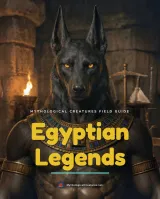
Egyptian Legends: A field guide to the gods and monsters of ancient Egypt
Guardians of the living and devourers of the dead, with the role each played in judgement.
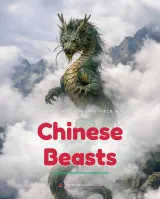
Chinese Beasts: A field guide to the dragons and demon kings of Chinese myth
From river dragons to demon kings, with the legends that shaped five thousand years of storytelling.
the legend in five swipes.
Reach myth fans
Connect your myth-driven brand with this audience
Our readers are writers, educators, gamers, and collectors who care about mythology. Enquire about a limited sponsor placement on creature pages.
Enquire about sponsorshipQuick Creature Info
Associations:
Our Mythic Legendary Rating:

Habitat:
Supernatural Powers:
Physical Attributes:
Abilities:
Behavior:
Lore:
Related Creatures, Tales or Lore
- JJorōgumo
- UUmibozu
- BBake-kujira
References
Discover Another Mythical Legend You May Not Have Heard Of?
Uncover the mysteries of ancient folklore and expand your knowledge of legendary beings from cultures around the world.
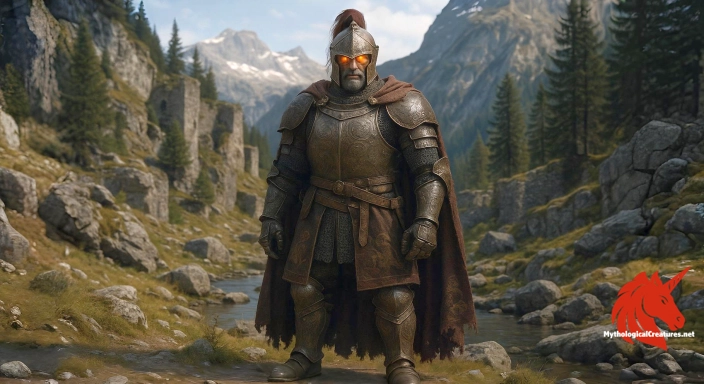
Dare to Meet the Heinrich von Winkelried....
The Mythological Creatures Book Series
Yokai, Greek, Norse, Egyptian & Chinese. Five illustrated field guides to the creatures the old stories either warned or told you about.
Curated by the Mythological Creatures Team
Series editor: Mythological Creatures Directory
Primary desk: Asian & Pacific Myth Cycles Desk
(rev. November 2025)